“The Nine Billion Names of God” by Arthur C. Clarke (1953)
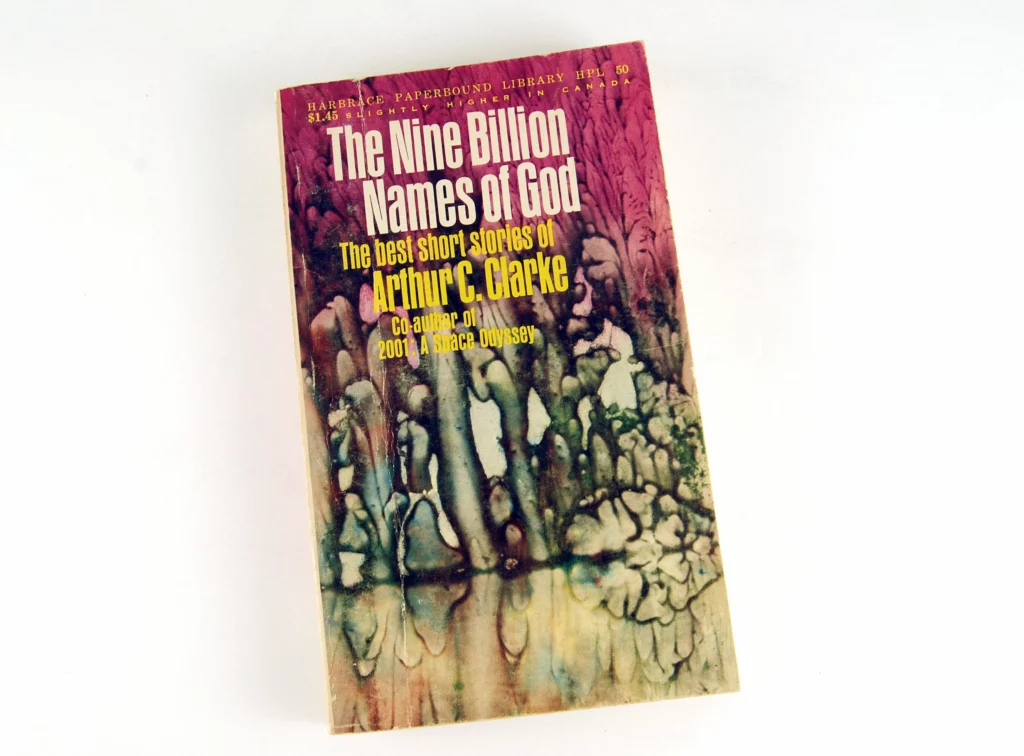
Clarke’s short story masterfully combines science fiction with spiritual themes as monks employ advanced technology to list every possible name for God. It involves monks in Tibet who believe that listing all of God’s names will end the universe. They hire two Westerners to help them use a computer for this task. The computer works faster than expected. The Westerners fear the monks’ reaction when the task is completed. As they leave the monastery, they see stars fading out in the sky. The universe is indeed coming to an end. The story builds tension around what might happen when they discover all billion names, leading to one of the most memorable endings in the genre. Before the Nebula Awards existed, this tale was considered among the best short stories in science fiction, demonstrating how good stories can bridge the gap between science and faith. The narrative explores humanity’s relationship with knowledge and technology while raising interesting questions about the end of existence itself.