28. Historically, giant otters were hunted for their pelts, causing a massive decline in their numbers.
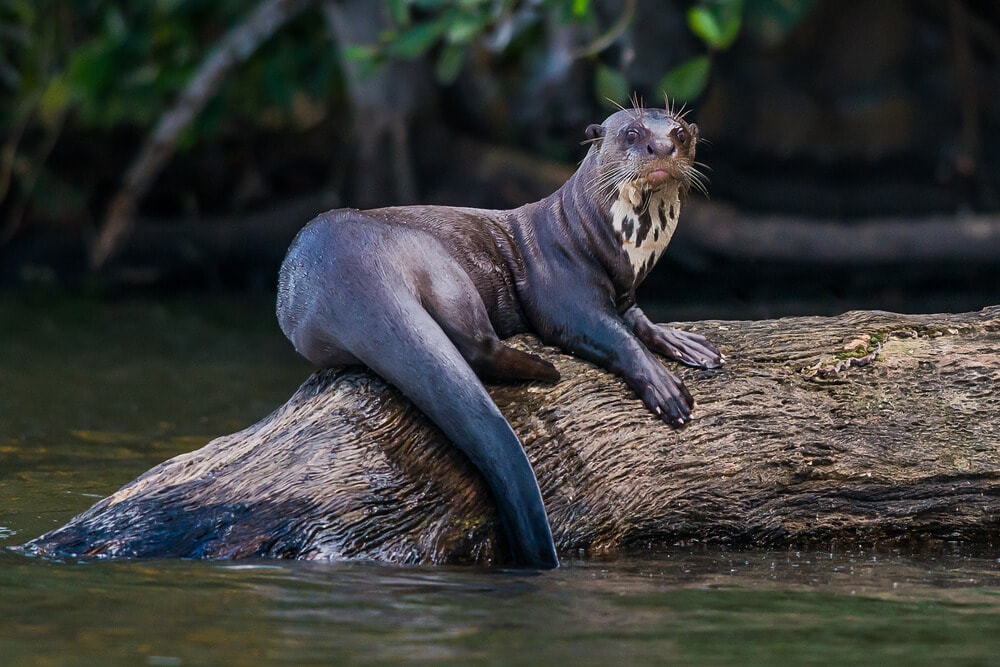
Giant otters are among the few that remain in South America. They survive on fish; furthermore, people see them in groups hunting for fish together. People primarily hunted them for their pelts, which has been the largest contributor to their decline. However, it is not the only reason. Endangerment is also due to the disruption of their aquatic habitats. Due to the rivers and lakes being degraded and destroyed, the fish population is also negatively impacted.
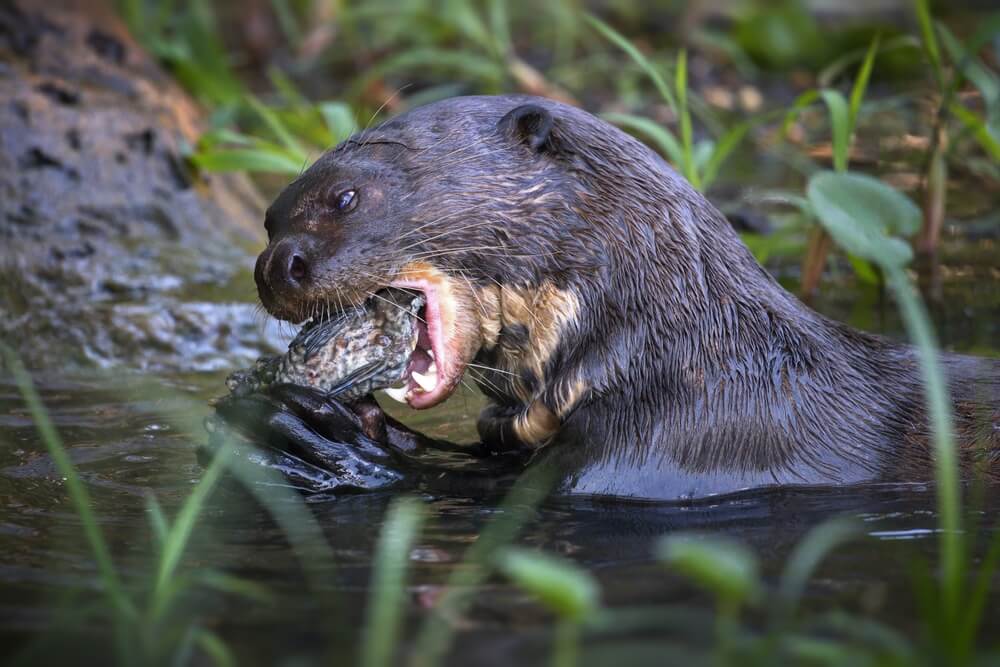
Like many other animals on the brink of extinction, human decisions have contributed. The giant otters’ habitats have been negatively affected by pollution as well as fishing by humans. Fishing significantly reduces the food for the animals. The giant otters are also threatened largely by gold mining in the region, leading to mercury poisoning. The pollution has contaminated their home environment, making it difficult for them to survive and thrive.