10. Brain-Computer Interfaces
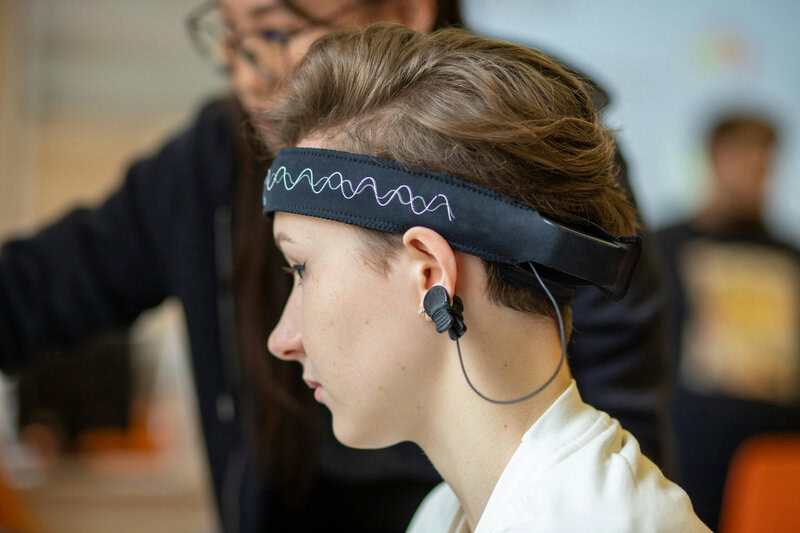
Advancements in brain-computer interface (BCI) technology are enabling direct communication between the brain and external devices, offering transformative potential for treating neurological disorders. Neuralink, founded by Elon Musk, has developed implantable devices that allow individuals with paralysis to control computers and smartphones using only their thoughts. In January 2024, Neuralink successfully implanted its device in its first human trial participant, Noland Arbaugh, who demonstrated the ability to control a computer mouse cursor through thought alone. (builtin.com) In addition to implantable devices, non-invasive BCIs are being explored to provide similar functionalities without the need for surgery. These devices utilize technologies such as transcranial focused ultrasound (tFUS) to modulate brain activity, offering potential treatments for conditions like epilepsy and depression. (en.wikipedia.org) The development of BCIs holds promise for restoring lost functions and improving quality of life for individuals with neurological impairments. However, challenges remain in ensuring safety, efficacy, and ethical considerations in the widespread adoption of this technology.