1. The Dancing Plague of 1518
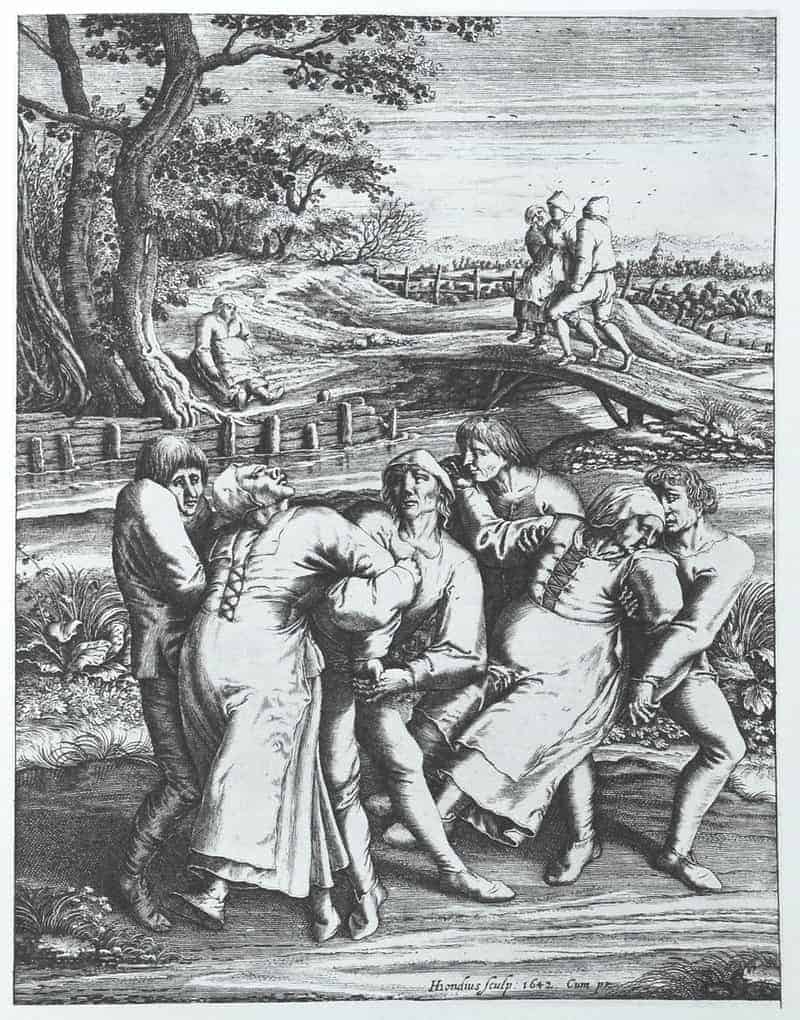
In July 1518, the streets of Strasbourg were overtaken by a mysterious spectacle: hundreds of people danced uncontrollably for days, some reportedly dancing to their deaths. Historians and scientists have debated the cause of this frenzy. Some point to stress-induced psychosis, triggered by famine and fear, while others suggest ergot poisoning — a hallucinogenic mold found on rye. Modern research leans toward psychological explanations, highlighting the power of mass suggestion and collective stress in pre-modern societies. The Dancing Plague remains a vivid example of mass hysteria’s ability to grip entire communities.