Conclusion
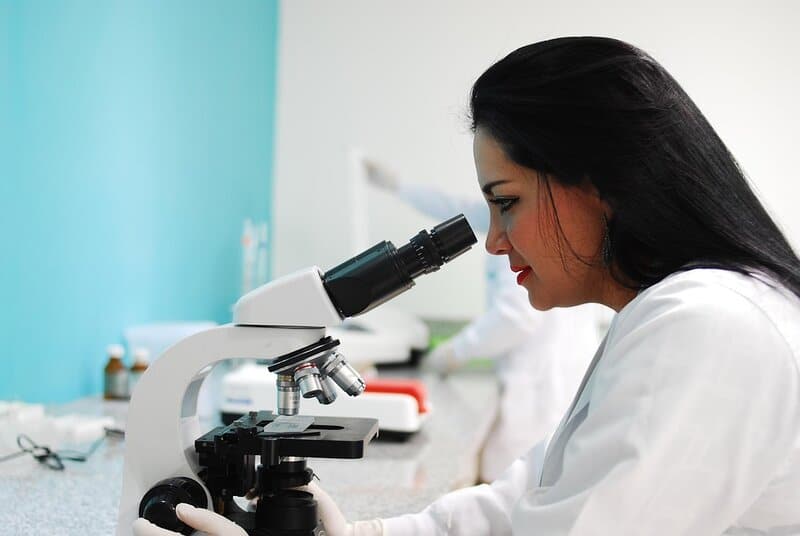
The rapid progress in laboratory anti-aging science underscores a paradigm shift in how we view aging.
Innovations such as cellular reprogramming, senolytics, and epigenetic clock resetting have demonstrated rejuvenation of tissues and systems.
Yet, most techniques remain in preclinical or early human-trial phases, requiring rigorous safety and efficacy testing before widespread clinical use.
Continued interdisciplinary research and collaboration will be essential to translate these discoveries into practical therapies.
If successful, such breakthroughs could dramatically expand healthspan, reshape medical practice, and transform societal approaches to aging and longevity in the coming decades.