13. Symbiotic Relationships
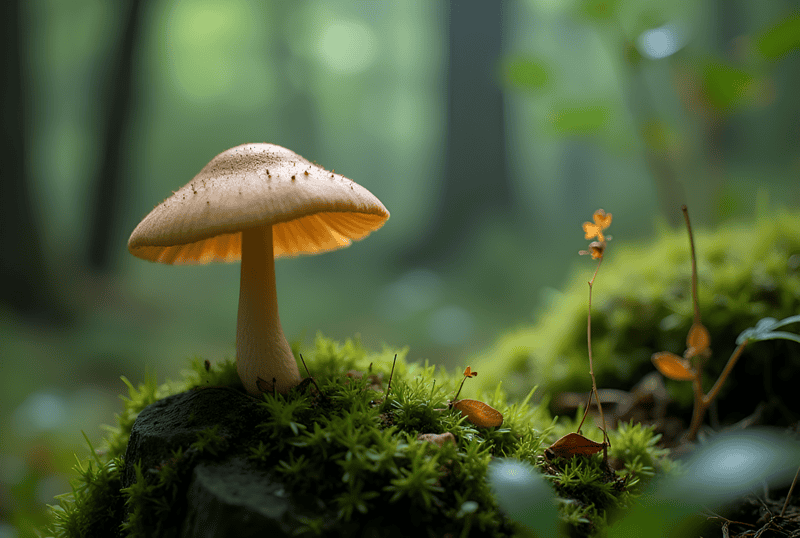
Symbiotic relationships are interactions between different organisms that have their roots in the earliest cells. These ancient life forms often formed partnerships that enhanced their survival, such as mutualism, where both parties benefit, or parasitism, where one benefits at the expense of the other. Such interactions have evolved over billions of years and are crucial in modern ecosystems. For example, the relationship between plants and mycorrhizal fungi improves nutrient uptake, while gut bacteria in humans assist in digestion. These symbiotic connections exemplify the importance of cooperation in nature, showcasing the legacy of ancient cellular interactions that still shape our world today.