11. Environmental Interaction
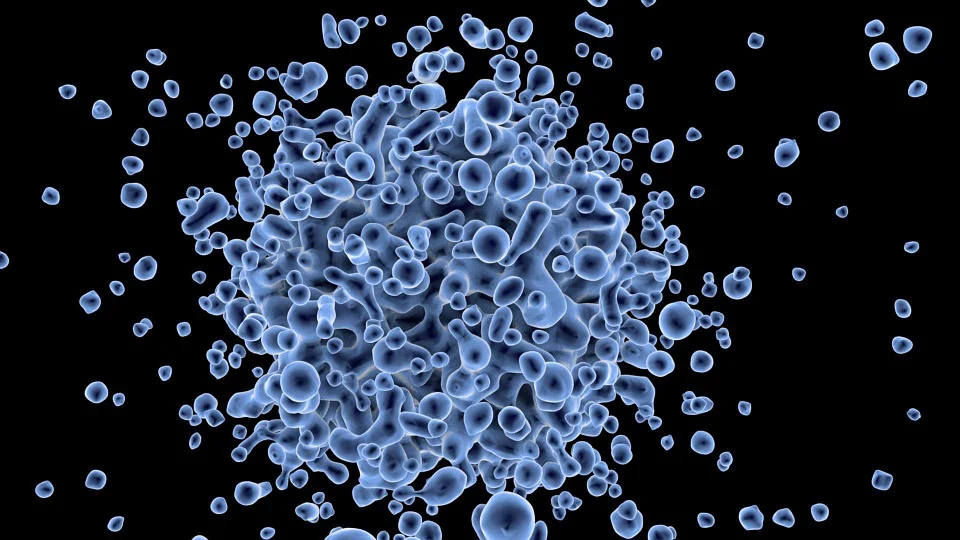
The way ancient cells interacted with their environments laid the groundwork for the behaviors we observe in modern organisms. These early life forms developed mechanisms to sense and respond to environmental stimuli, a trait that remains vital today. For example, ancient cells could detect changes in nutrient availability or respond to harmful substances, allowing them to adapt and survive. In contemporary organisms, this interaction manifests as various behaviors, including movement toward nutrients or away from toxins. The ability to engage with the environment is essential for survival, demonstrating how deeply rooted these interactions are in the history of life on Earth.