10. Protein Synthesis
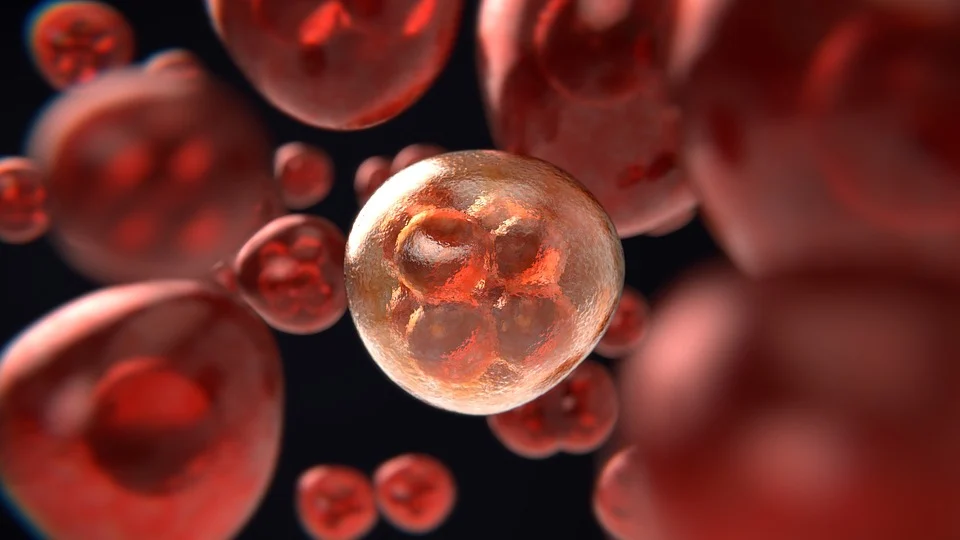
Protein synthesis is a vital biological process that has roots in the earliest cells. This intricate mechanism involves the translation of genetic information into functional proteins, which play essential roles in cellular structure and function. The process begins with transcription, where DNA is converted into messenger RNA (mRNA), followed by translation, where ribosomes synthesize proteins based on the mRNA sequence. These fundamental steps of protein synthesis have been remarkably preserved through billions of years of evolution. In modern organisms, the efficiency and accuracy of protein synthesis remain crucial for growth, repair, and overall cellular function, highlighting the continuity of life’s processes from ancient times.