The Rejected Handwashing Hypothesis
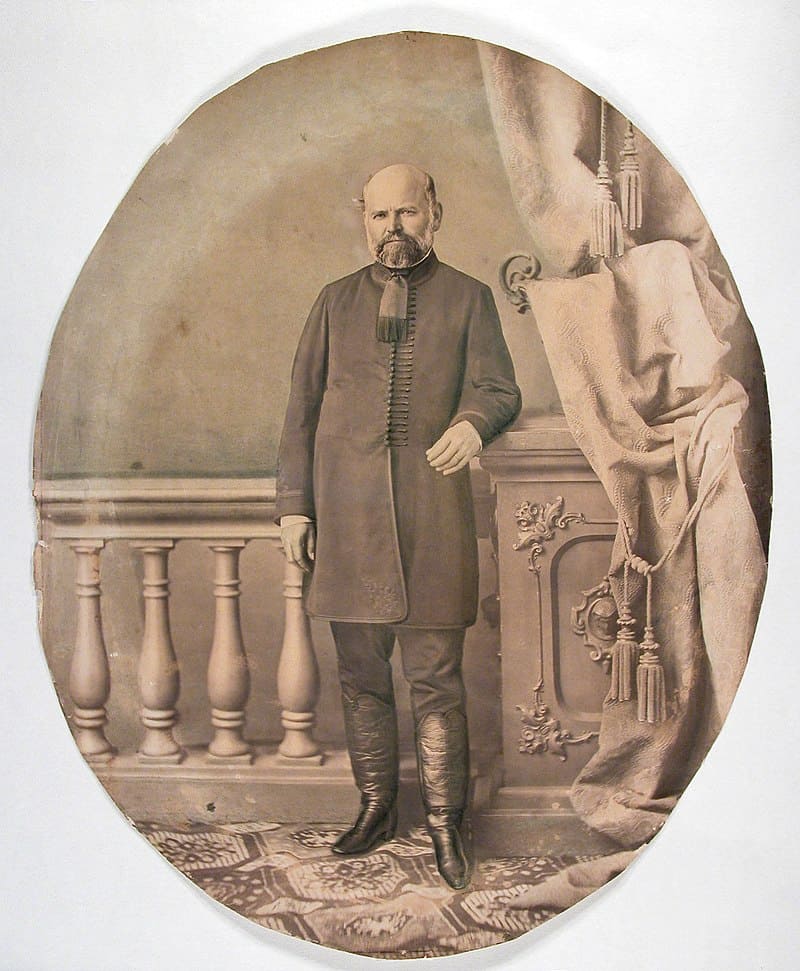
In 1847, Hungarian physician Ignaz Semmelweis observed a significant reduction in maternal mortality rates from puerperal fever when doctors disinfected their hands with a chlorinated lime solution before assisting in childbirth. Despite these compelling results, his findings were met with skepticism and hostility from the medical community, who found it difficult to accept that their own hands could transmit disease. Semmelweis’s ideas were largely ignored during his lifetime, and it was only after the development of germ theory by Louis Pasteur that his practices gained widespread acceptance. (cdc.gov)