5. The Carbon Cycle: Recycling Essential Elements
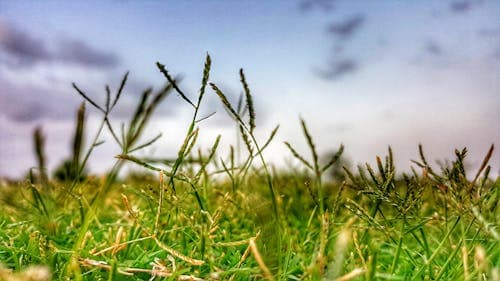
The carbon cycle is a fundamental process that moves carbon through Earth’s atmosphere, living organisms, oceans, and soil, maintaining a balance crucial for sustaining life and regulating the planet’s climate. (energy.gov) In this cycle, carbon dioxide (CO₂) is absorbed by plants during photosynthesis, forming the basis of the food chain. Animals consume these plants, and through respiration, release CO₂ back into the atmosphere. Decomposers break down dead organisms, returning carbon to the soil, where it can be stored or released back into the atmosphere. (britannica.com)
However, human activities have significantly disrupted this natural cycle. The combustion of fossil fuels for energy and deforestation have increased atmospheric CO₂ levels, leading to global warming and climate change. (fao.org) In 2024, atmospheric CO₂ reached approximately 423.9 ppm, a 152% increase over pre-industrial levels. (livescience.com) This imbalance poses a threat to ecosystems and the overall health of the planet.