Bacteria Turns Plants to Zombies
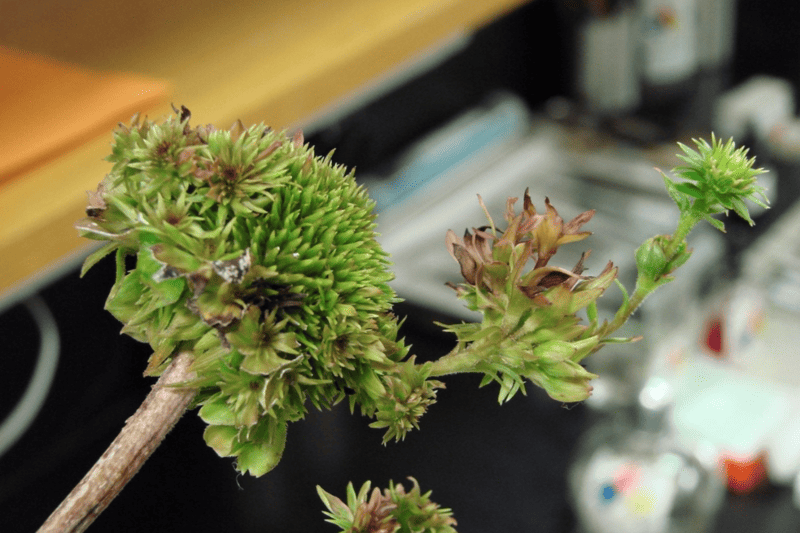
Zombie plants, manipulated by a parasitic bacterium called Phytoplasmas, showcase nature’s eerie intricacies. The bacterium transforms Madagascar rosy periwinkle blooms into leafy shoots, using a protein called SAP54 to hijack the plant’s developmental program. Scientists at the John Innes Centre in Norwich, UK, uncover this sinister mechanism, revealing how the infected plants lure sap-sucking insects to spread the parasitic infection. This tale of botanical takeover unveils nature’s dark complexities beyond horror fiction.
“It’s a dual control strategy,” notes parasitologist David Hughes of Pennsylvania State University. “The bacteria manipulate both plant and insect simultaneously with the same protein – that’s stunning.” Nature’s dark beauty lies in its intricate schemes, where parasites exploit evolution to their advantage. This discovery goes beyond understanding botanical takeover; it reveals links between a plant’s development and its immune system, offering insights for crop improvement and pest resistance.
Parasites like the rust fungus Puccinia Monoica lurk, turning hosts into unwitting spreaders. The mysteries of these botanical marionettes beg further investigation, promising chilling revelations. Amid life and death, zombie plants show life’s resilience and adaptability, even in sinister forms. Scientists uncover secrets blurring science and folklore, exposing nature’s dark repertoire.