Parasitic Rust Fungus Mimics Flowers
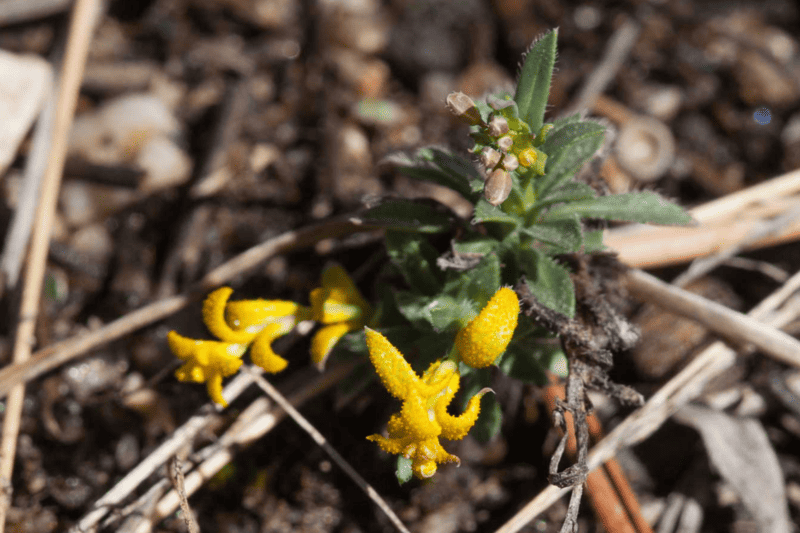
In the tranquil landscapes of Meyers Gulch, nestled near Walker Ranch in the mountains, April unveils a spectacle of spring flowers. Amidst familiar blooms like pasque flowers and mountain ball cactus, an observer notices a small plant adorned with vibrant yellow flowers, its petals bearing peculiar bumps. Initially mistaken for a rare wildflower, further investigation reveals a sinister truth lurking beneath its delicate facade.
Photographs sent for identification unveil a shocking revelation: what seemed a wildflower is, in fact, a victim of parasitic invasion. Enter Puccinia Monoica, a cunning rust fungus with a diabolical agenda. Utilizing a range of grasses as its primary host and certain mustard species as its alternate host, this insidious parasite has infiltrated unsuspecting victims like Holboell’s Rock Cress, Drummond’s Rock Cress, and Fendler’s Rock Cress.
Infected plants undergo a disturbing transformation as they succumb to the parasite’s control, altering their physiology to serve its sinister agenda. The parasite manipulates its hosts into creating floral mimics, which deceive pollinators into spreading its spores. These mimics, with their enticing colors and fragrances, attract a variety of pollinators, from halictid bees to ants and flies, unknowingly aiding the parasite’s spread. Furthermore, the parasite coerces its hosts into producing sugary nectar, enhancing the allure of the mimics and ensuring the continued propagation of its species.