3. Viruses
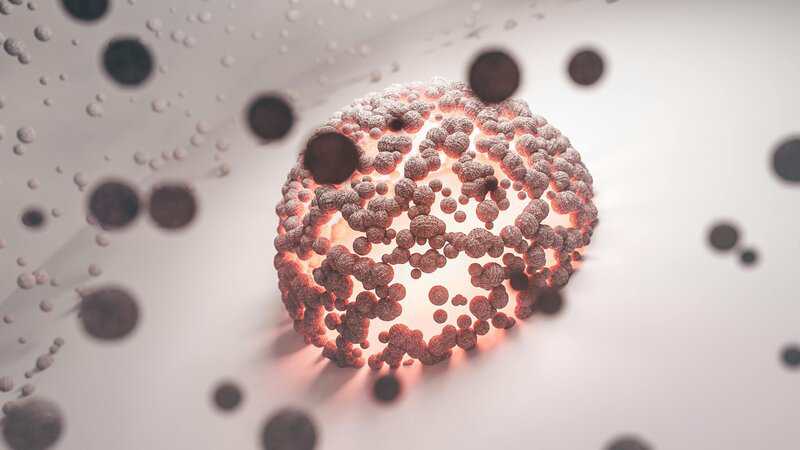
Viruses are perhaps the most famous “zombie molecules.” These tiny particles can do nothing on their own, remaining inert outside a host. Yet, once inside a living cell, they hijack its machinery to reproduce, evolve, and even adapt to new environments. This dual nature—lifeless one moment, destructive the next—makes viruses a compelling example of non-living things acting alive. Their ability to mutate and spread challenges traditional definitions of life. For more on what makes viruses unique, see NIH: What is a virus?.