Rocky Planets Rarely Form In Habitable Zones
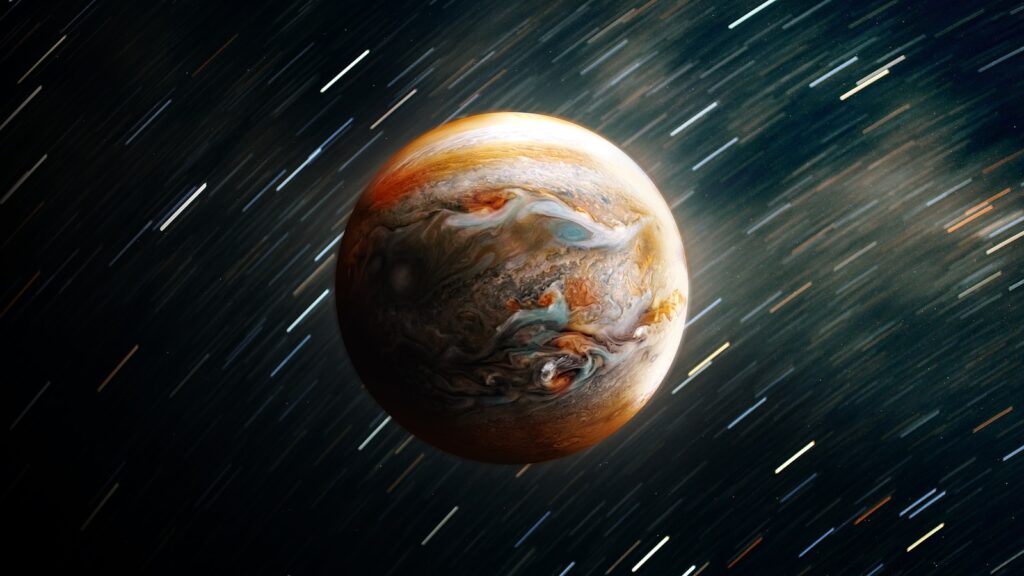
NASA’s Kepler mission data, analyzed by astronomers Erik Petigura and Andrew Howard, reveals that only about 0.5-1% of stars host potentially Earth-like planets in habitable zones. Planetary formation specialist Sara Seager’s research shows that most systems contain “hot Jupiters” or “super-Earths” with structures entirely unlike our solar system. The precise architecture needed—small rocky planets inside and gas giants outside—requires specific protoplanetary disk compositions and stabilities. The absence of large planets within Earth’s orbit proved essential for our existence. Astronomer Guillermo Gonzalez calculates that when all factors are considered, truly Earth-like planets likely occur in fewer than 1 in 10,000 stellar systems.