The Big Bang Had Perfect Timing
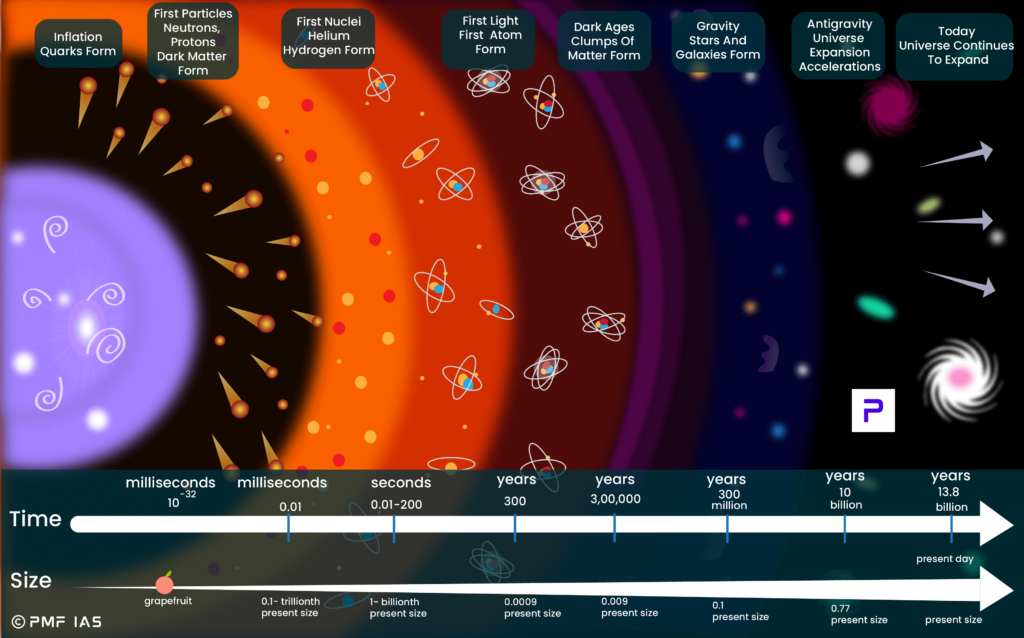
Cosmologist Roger Penrose calculated that the Big Bang’s initial entropy configuration was tuned to one part in 10^10^123—an incomprehensibly precise number surpassing all atoms in the observable universe. This exquisite calibration set our universe’s expansion rate within a window so narrow that any deviation would have prevented stars from forming. Theoretical physicist Stephen Hawking acknowledged this extraordinary fine-tuning in “A Brief History of Time,” writing that if the rate had differed by one part in a hundred thousand million million, the universe would have either collapsed or expanded too rapidly for stars to form.