Monitoring Self-Reported Symptoms
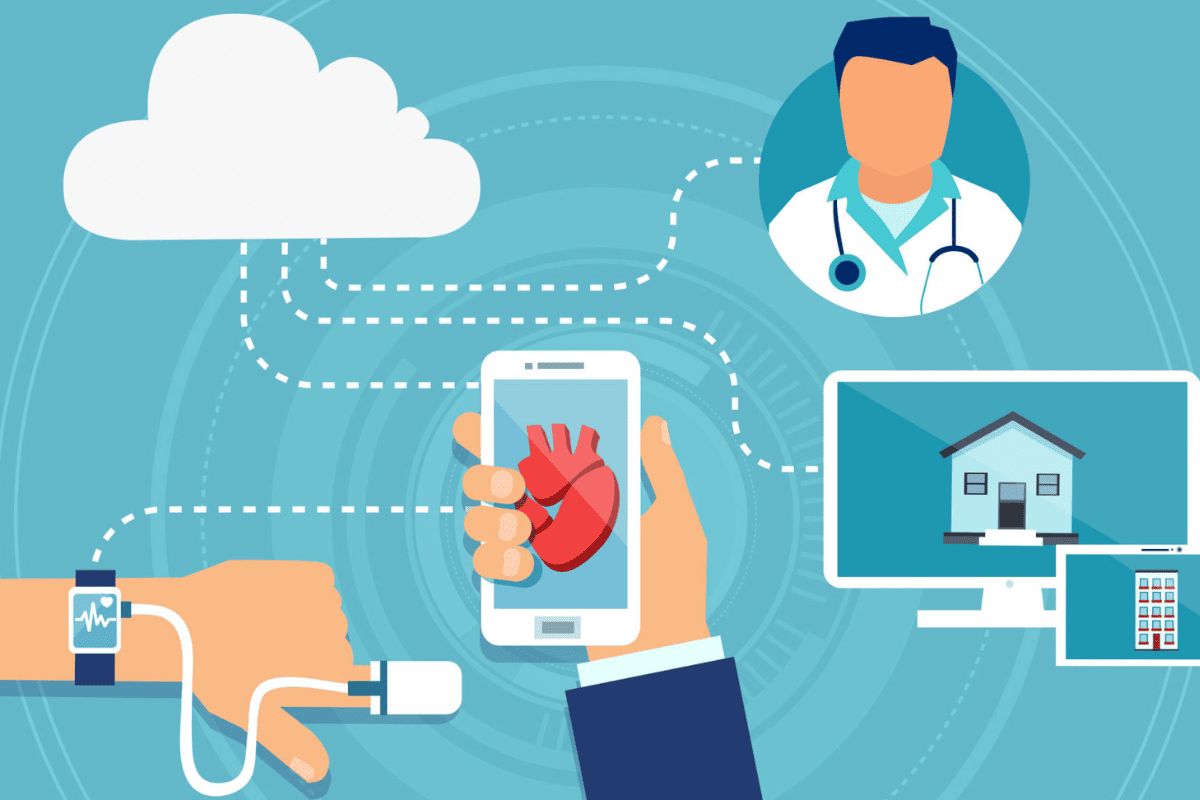
One of the unique aspects of social media is its role as a platform for individuals to share personal experiences, including details about their health. Users often turn to social media to express their symptoms, recovery journeys, and overall health status. Analyzing this self-reported information provides public health officials with a grassroots perspective on emerging health issues, potentially uncovering patterns and clusters that precede formal medical reports.
The richness of self-reported symptoms on social media adds granularity to the understanding of disease dynamics. Rather than relying solely on clinical data, health authorities can tap into the real-world experiences of individuals, gaining insights into the early stages of an outbreak. This grassroots intelligence, contributed voluntarily by users, serves as a complementary source of information that enhances the overall situational awareness for public health agencies. The integration of self-reported symptoms into disease surveillance efforts exemplifies how social media acts as a decentralized and participatory tool for early detection.