Their Coffins Changed Over Time
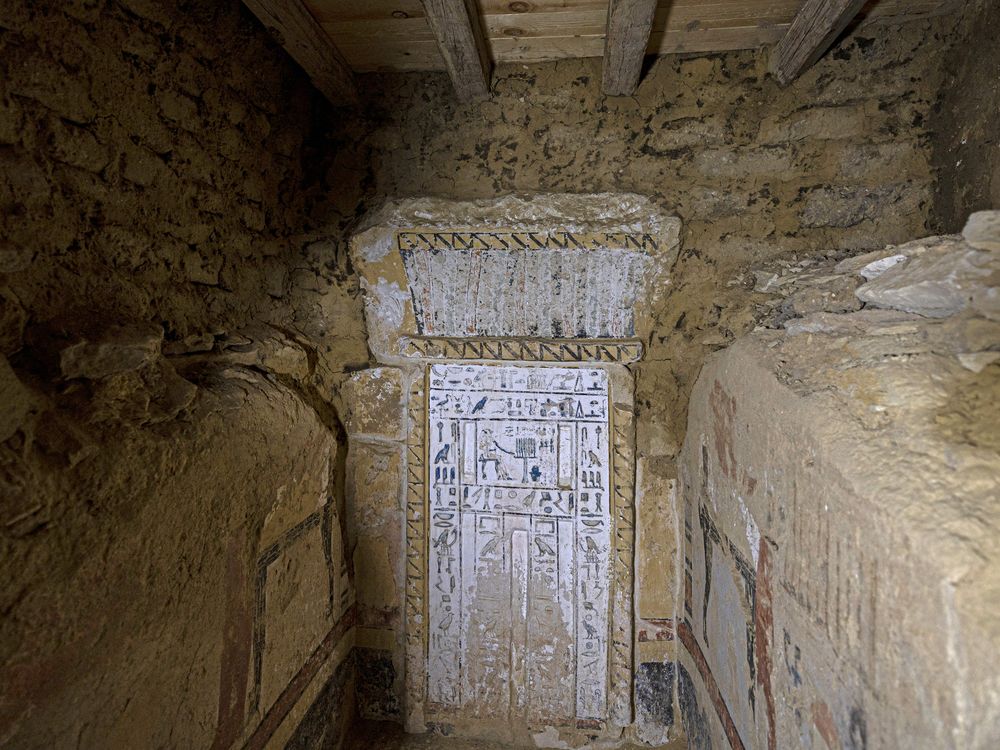
Throughout the years, the Egyptian coffins became more and more intricate and detailed. According to Spurlock, “By the Middle Kingdom, the coffin was considered a miniature tomb, and it was decorated with many of the items that had formerly adorned the walls of the tomb. The goddesses Isis and Nephthys were painted as guards at the head and foot of the coffin. The inside floor of the coffin was painted with Nut, Isis, Osiris, or the Djed pillar (Osiris’s backbone). The sides bore the four sons of Horus and other deities. Horizontal inscriptions gave not only the owner’s name and titles but also a prayer for offerings. Vertical inscriptions were prayers to the divinities on behalf of the deceased.”
After this, anthropoid coffins appeared, where they were carved to represent an outline of the deceased person’s body with their face and wig. As time progressed, they were decorated with scenes and inscriptions. Rishi coffins were then popularized, and eventually in the New Kingdom, ready-made coffins were available (Spurlock).