Eliminating Viral Risks
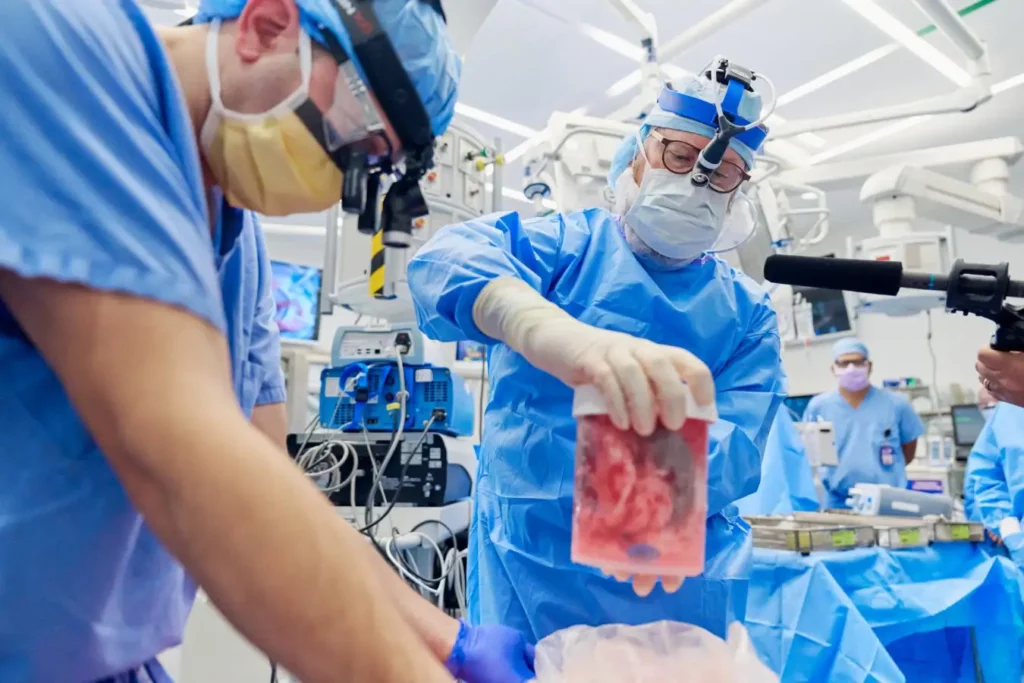
CRISPR technology helped researchers target and remove more pig retrovirus genes beyond PERVs. Whole-genome sequencing confirmed the edits worked, showing no viral activity in the modified cells. These extra safety steps matter. They address regulatory concerns and make pig organs safer for human recipients by reducing infection risks that could derail clinical progress. Researchers meticulously verified each edit to ensure no unintended changes occurred elsewhere in the genome during the modification process.