Targeting Additional Antigens
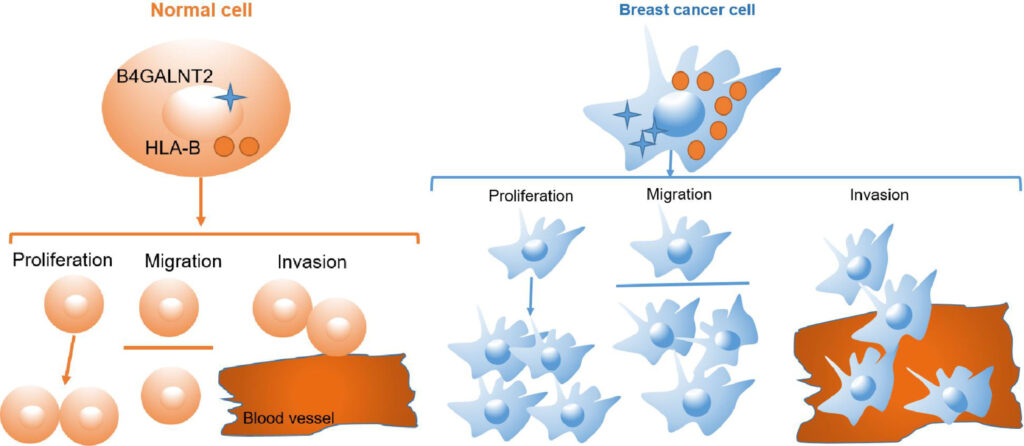
The B4GALNT2 gene produces another problematic sugar that triggers rejection. Scientists disabled this gene using CRISPR, reducing antibody binding by 70% in lab tests. This change works with alpha-gal removal to create a better organ. Together, these modifications greatly lower the risk of acute organ rejection after transplantation. The combination approach proves especially effective because it addresses multiple aspects of the immune response simultaneously, creating a more comprehensive defense against rejection.