Infrared Stream
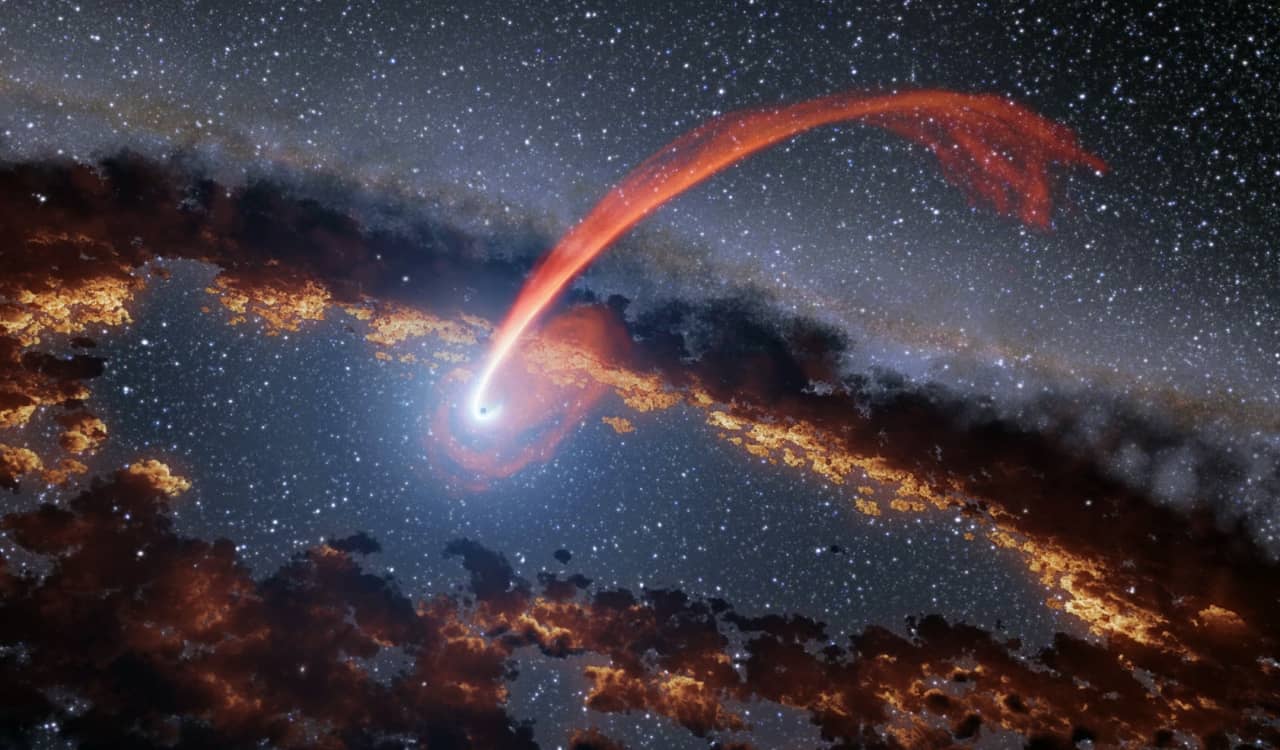
Infrared streams or waves are not very uncommon in space. However, it is not every day that you can capture this sort of thing in an image. Yet that is exactly what happened, making this one of the most breathtaking photos captured by NASA and the ESA. How does all of this work? Essentially, infrared waves have longer wavelengths than visible light. Thus, they are able to pass through dense regions of gas and dust in space without scattering or being absorbed as easily if at all. It makes infrared very valuable to use for NASA and the ESA as well as other space programs.
This infrared energy is able to reveal objects in the universe that are not able to traditionally seen in visible light using an optical telescope. That allows us to now find and see several things we never could before. In fact, a lot of neutron stars are now easier to find and see using infrared as they emit radio waves on top of other high-energy waves, such as x-rays. Many stars in their end-time lifecycles are known to emit infrared waves too, but some might emit more than others. Overall, streams like what you see above are rare to come across. However, we’ll likely see a lot more infrared stuff in the future…just maybe not in stream form very often.