Conclusion
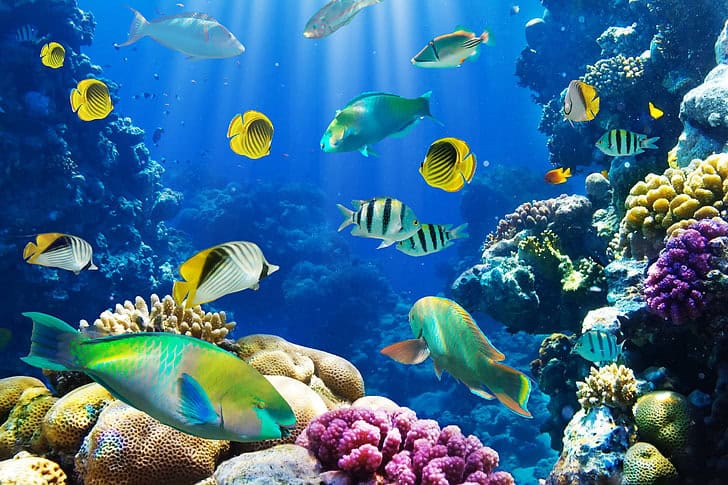
Chemical communication is the lifeblood of the Great Barrier Reef, integral to its biodiversity and ecological balance. From coral spawning to fish schooling, chemical signals facilitate a wide range of interactions that support the reef’s vibrant life. These signals ensure successful reproduction, predator-prey dynamics, and nutrient exchange, underpinning the resilience and sustainability of this remarkable ecosystem. As we continue to learn from these natural processes, it is crucial to protect and preserve the reef from threats like pollution. Supporting conservation efforts is essential to safeguard the intricate chemical conversations that sustain the reef’s future.