The Role of Chemical Signals in Larval Settlement
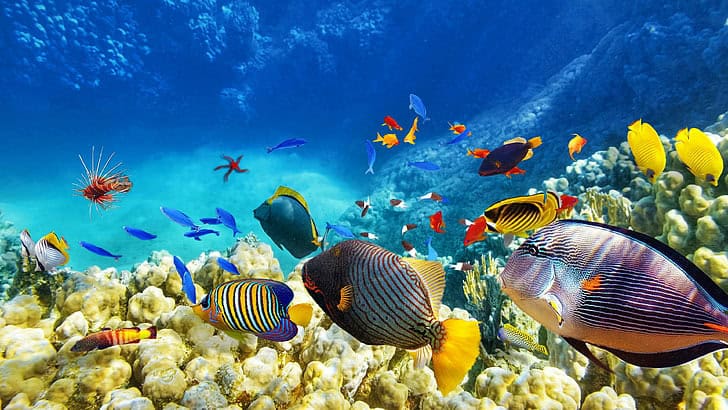
Larvae in the Great Barrier Reef rely on chemical signals to identify ideal settlement sites. These cues are critical for the transition from the larval to adult stages, guiding them to environments conducive to growth and survival. Specific chemicals emitted by healthy reefs attract larvae, indicating suitable habitats with abundant resources. This chemical navigation ensures that larvae settle in areas where they can thrive, contributing to the regeneration and sustainability of the reef ecosystem. Understanding these signals is vital for conservation efforts, as it aids in habitat restoration and the protection of young marine life.