The Cadborosaurus
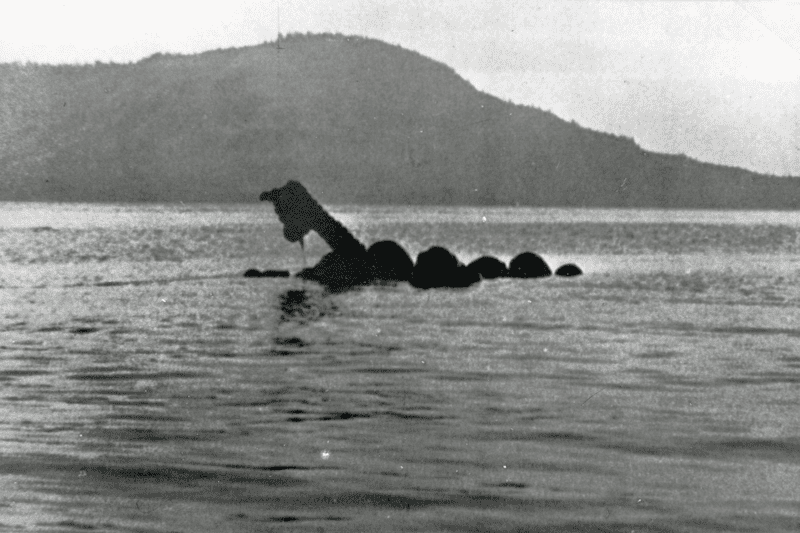
In 1933, amidst the Loch Ness Monster craze, another mysterious creature captured public imagination on the west coast of Canada—Cadborosaurus, affectionately known as Caddy. Originating from reports featured in the Victoria Daily Times, the local “sea-serpent” became a sensation with intensive coverage of sightings, sparking debates, a naming contest, and even garnering interest from zoological authorities.
Dr. C. McLean Fraser of the University of British Columbia expressed curiosity about the creature, suggesting that further investigation was needed to unveil the truth. Aboriginal artifacts, including petroglyphs and a carbon-dated atlatl, hinted at the long-standing presence of a creature resembling Caddy in the region’s folklore. Despite a significant milestone in 1937 with the discovery of a mysterious animal in a sperm whale’s stomach, known as the Naden carcass, the lack of a preserved specimen has left Caddy as a cryptid, shrouded in uncertainty.
The mystery of Caddy continued to captivate enthusiasts, leading to cryptozoological analyses in subsequent decades. Heuvelmans, in 1968, included Caddy in a global survey of marine cryptids, while LeBlond and Sibert’s regional inquiry in 1973 brought forth new sightings. The establishment of the British Columbia Scientific Cryptozoology Club in 1989 further fueled investigations, culminating in the comprehensive overview published by LeBlond and Bousfield in 1995.
An updated version in 2014 by LeBlond, Kirk, and Walton documented all known sightings and provided a statistical analysis. Despite these efforts and numerous eyewitness reports, Caddy remains elusive, existing in the realm of cryptozoology as a creature whose existence and nature continue to elude scientific confirmation, making it a fascinating enigma of the sea.