21. Camels Store Water in Their Humps
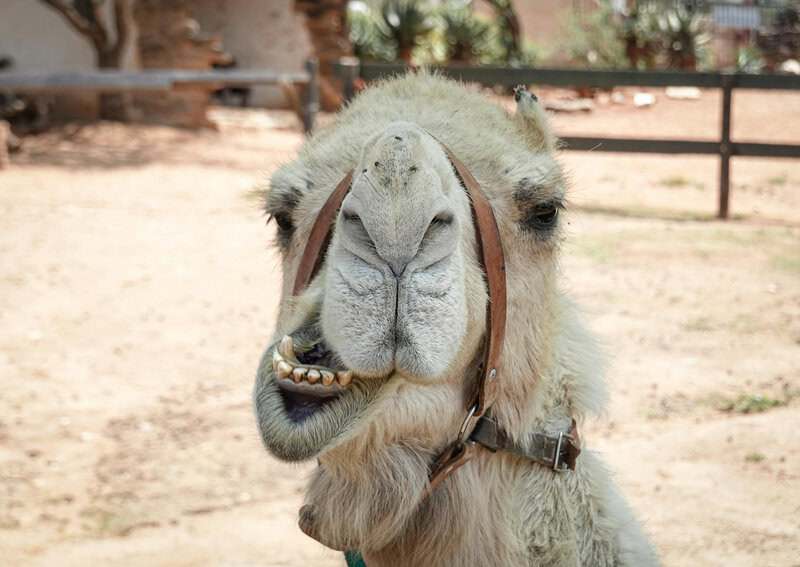
The belief that camels store water in their humps is a common misconception. In reality, a camel’s hump is a reservoir of fatty tissue, not water. This fat serves as an energy source during periods when food is scarce. When the stored fat is metabolized, it provides energy and produces water as a byproduct, aiding in hydration. However, this process does not involve water storage within the hump itself. (britannica.com)
Camels have evolved several adaptations to thrive in arid environments. Their thick fur acts as insulation, reducing heat gain during the day and heat loss at night. They can tolerate significant fluctuations in body temperature, allowing them to conserve water by minimizing sweating. Additionally, camels can drink large quantities of water in a short time, replenishing their bodies efficiently when water is available. (dw.com)
Understanding these adaptations highlights the camel’s remarkable ability to survive in harsh desert conditions, relying on fat storage for energy and water production, rather than water storage in their humps. (livescience.com)