William Harvey And Blood Circulation
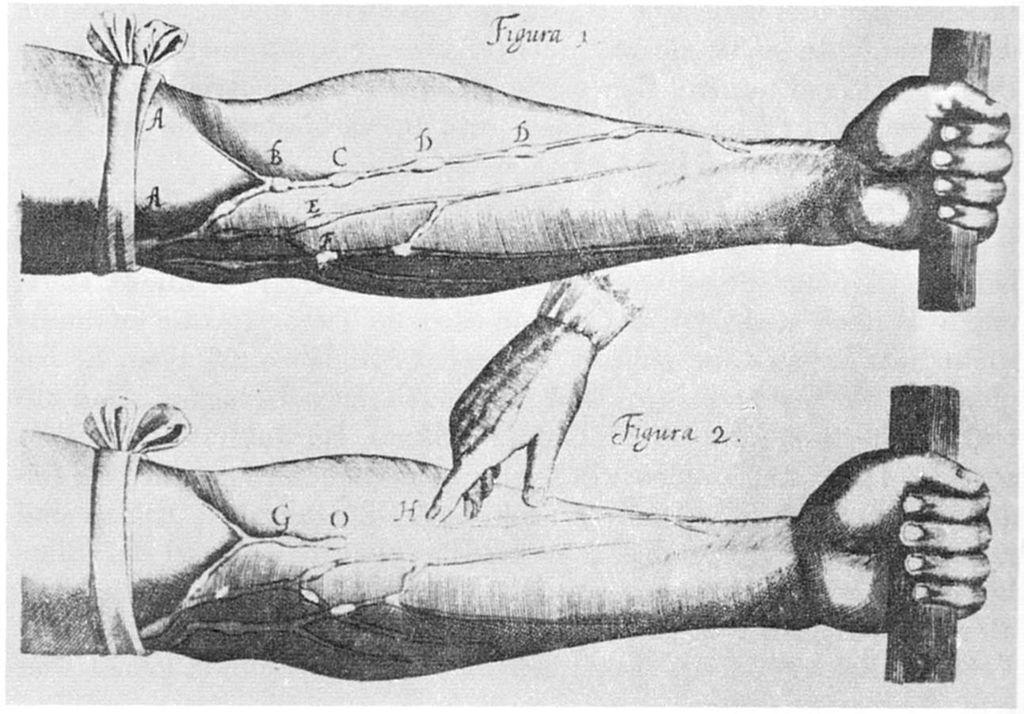
William Harvey, in the 17th century, discovered the circulation of blood to the brain, body, and heart. This was a significant finding, as previously it was believed that blood flowed through the liver. He published his findings in “De Motu Cordis” (“On the Motion of the Heart and Blood”) in 1628, providing comprehensive information on blood circulation. However, his ideas were met with resistance from fellow scientists and the public who still followed the teachings of the 2nd-century philosopher Galen, who claimed that the liver produced blood from food.
Harvey faced significant opposition and lived a private life as a result. He once said, “it’s often better to become wise at home in private, than to publish your hard-won knowledge and stir up tempests that rob you of peace for the rest of your life.” Harvey’s story serves as a reminder that speaking the truth can be challenging and rejection is a common experience, even for the most famous scientists (Medical Daily).