
LATEST POSTS

Carrington Event 1859: The Solar Storm That Ran Telegraphs on Pure Sunlight
On September 2, 1859, the most intense geomagnetic storm in recorded history induced such powerful currents in North American telegraph lines that operators disconnected their batteries and kept sending messages on solar-driven current alone — and scientists warn a repeat would be far more catastrophic today.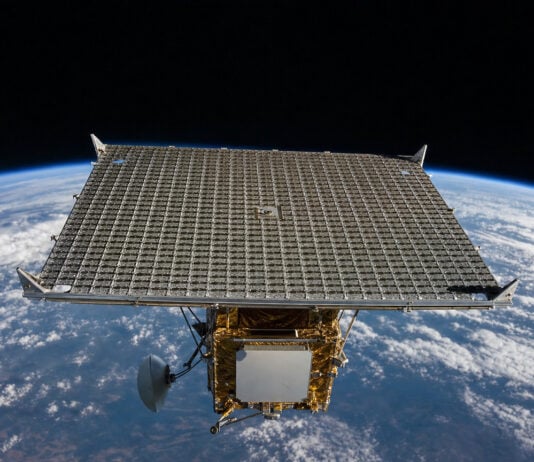
AST SpaceMobile’s BlueBird Called a 4G Phone From Orbit—Here’s How
In 2024, AST SpaceMobile's BlueBird satellites completed a direct call to an unmodified 4G smartphone from low Earth orbit—an feat long deemed implausible. The phased-array antennas, spectrum partnerships, and orbital physics behind that milestone are reshaping the satellite connectivity industry.
La Brea Tar Pits Reveals a New Ice Age Toad Species Hidden for 50,000 Years
Scientists have formally named Spea labreae, an extinct spadefoot toad pulled from La Brea Tar Pits, making it only the second Ice Age amphibian ever officially identified in North America.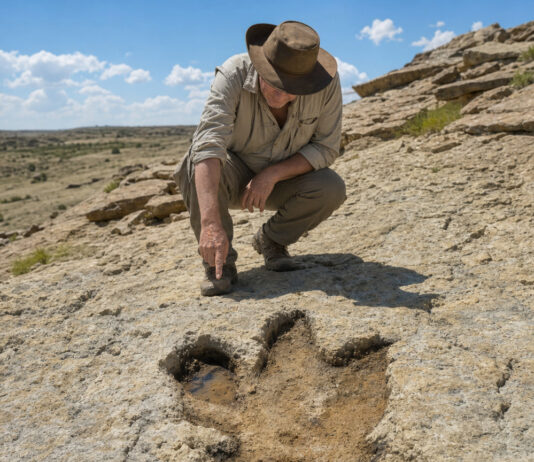
150-Million-Year-Old Sauropod Footprints Show a Limping Giant That Looped Back
Fossilized footprints from a Jurassic-era sauropod in Colorado reveal a creature that walked with a pronounced gait asymmetry — the fossil equivalent of a limp — and inexplicably looped back on its own trail, puzzling paleontologists 150 million years later.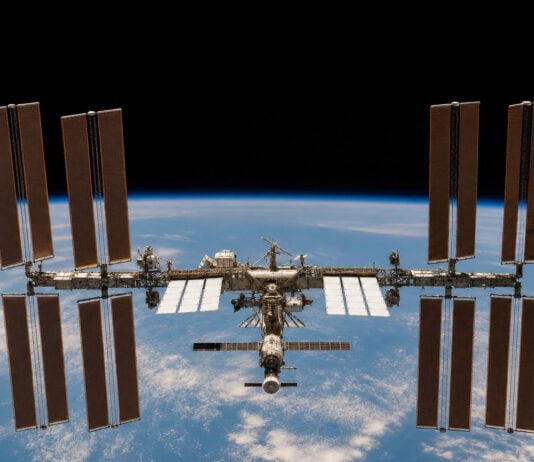
NASA Is Betting Billions on Private Space Stations to Replace the ISS by 2031
With the International Space Station set for a controlled Pacific Ocean deorbit by January 2031, NASA is funding six private companies to build its commercial successors — but whether those stations will be ready, certified, and financially viable in time is the defining question of the agency's next decade in space.
30g of Protein at Breakfast Boosts Teens’ Nutrition All Day, Study Finds
New research from the University of Texas at Austin found that teens who ate a protein-rich breakfast — around 30 grams — showed the greatest improvements in overall daily diet quality, consuming more fiber, iron, zinc, and choline while cutting added sugar.Load More
TOP POSTS
January 26, 2026

January 26, 2026

January 26, 2026


EDITOR PICKS
December 12, 2024


December 6, 2024
