
LATEST POSTS
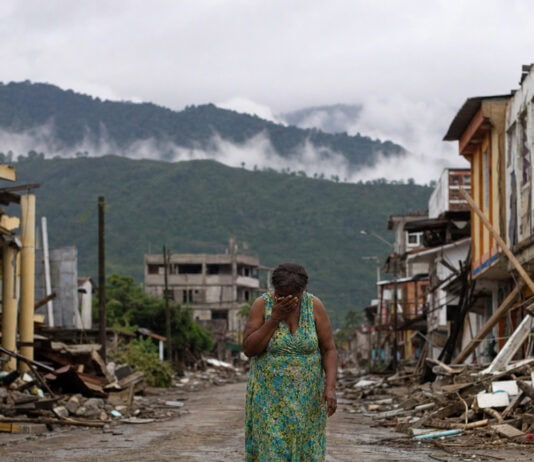
Colombia’s Three Colliding Tectonic Plates Made the Chocó Quake Inevitable
A magnitude 7.4 earthquake killed at least 169–280 people in Chocó, Colombia — and geologists say the science behind it was inevitable. Colombia sits where the Nazca, South American, and Caribbean plates all converge, creating one of the Western Hemisphere's most dangerous seismic zones.
Kids Eat What’s Placed in Front of Them — CU Anschutz Study Proves It
A new CU Anschutz Medical Campus study confirms that children tend to eat whatever food is placed directly in front of them, suggesting that rearranging what lands on the tray — not persuasion or education — may be the most powerful lever for improving kids' diets.
SpaceX Fram2 Flew the Polar Orbit NASA Avoided for 60 Years — Here’s Why
In March 2025, SpaceX's Fram2 became the first crewed mission to fly a true polar orbit — exposing exactly why six decades of government space programs quietly avoided the route. The physics of energy cost and radiation exposure tell the full story.
Ancient Chinese Rock Art Survived 2,000 Years Because of Human Blood
Researchers analyzing paint from the Huashan cliff murals in southern China identified human blood proteins as the binder that kept the iron-red figures vivid for over two millennia. The blood, combined with hematite and lime, triggered a mineralization process that made the paint progressively more stone-like — and harder to destroy — over time.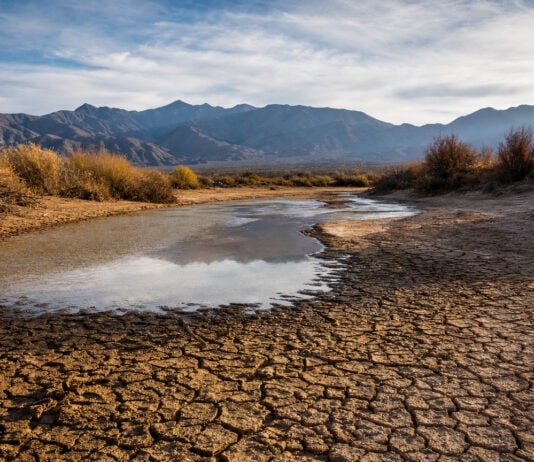
Why Rivers Are Running Dry Decades Before Hydrology Models Predicted
Three interacting mechanisms — atmospheric moisture demand, severed groundwater buffers, and soil moisture debt — are draining rivers like the Rio Grande and Colorado decades ahead of what hydrological models forecast, forcing researchers to revise core water cycle assumptions.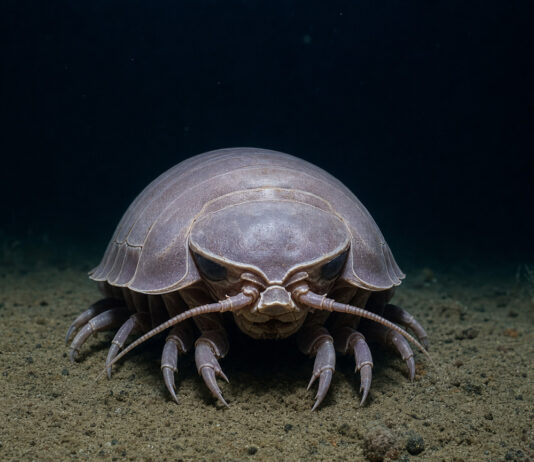
Deep-Sea Creatures That Survive Without Sunlight, Oxygen, or Food
More than 60 percent of Earth's surface is covered by deep ocean, and the strange creatures living there have evolved physiology so extreme it overturns basic assumptions about what animals need to survive.Load More
TOP POSTS
January 26, 2026

January 26, 2026
January 26, 2026


EDITOR PICKS
December 12, 2024


December 6, 2024
