
LATEST POSTS
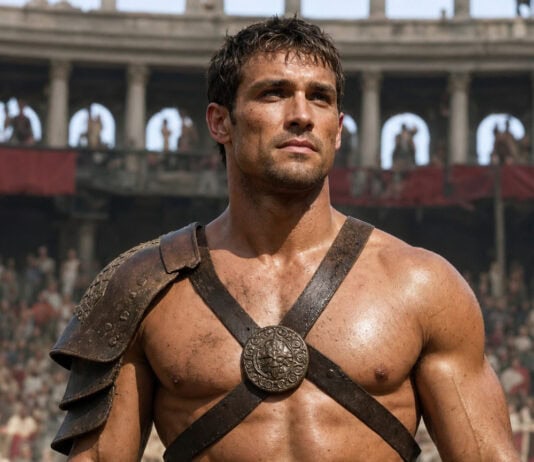
Hollywood Accidentally Got Gladiators Right: They Were Sex Symbols
Hollywood's Roman epics are riddled with inaccuracies — but archaeologists have confirmed one thing filmmakers stumbled onto correctly: gladiators genuinely were sex symbols in ancient Rome, as Pompeii graffiti and material culture prove.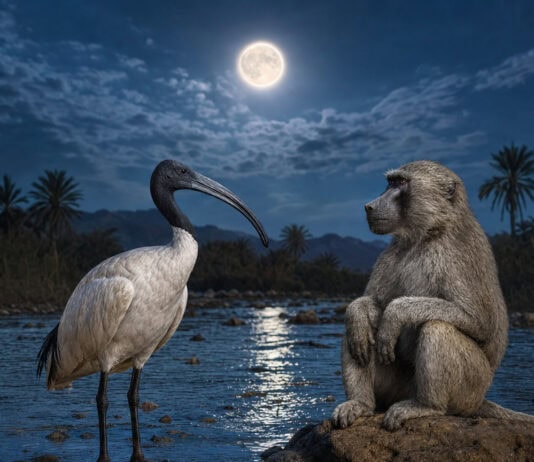
Thoth’s Sacred Ibis and Baboon Were Chosen Because They Look Like Moonlight
Ancient Egyptians selected the sacred ibis and hamadryas baboon as Thoth's two animal forms from among available alternatives, and new colorimetric research suggests the deciding factor was their shared silver-white coloration — a close visual match to moonlight.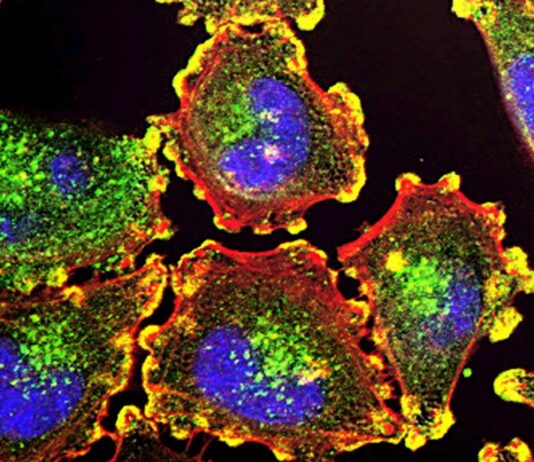
BTK Inhibitor Resistance: How Blood Cancers Bypass Even Next-Gen Drugs
Scientists have identified a rare mutation that enables blood cancer cells to evade both first- and next-generation BTK inhibitors by reducing their dependence on the BTK protein itself—a fundamentally different escape route than previously documented.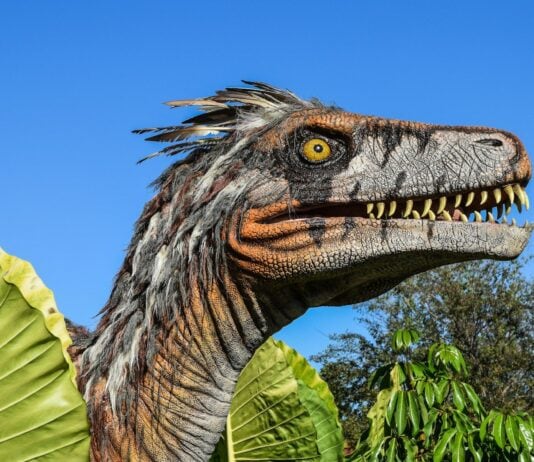
Jurassic World Rebirth’s Dinosaurs: What the Science Actually Gets Right
From T. rex as an active predator to the 65-ton Dreadnoughtus, Jurassic World Rebirth gets more paleontology right than you'd expect — even as its core DNA premise remains scientifically impossible.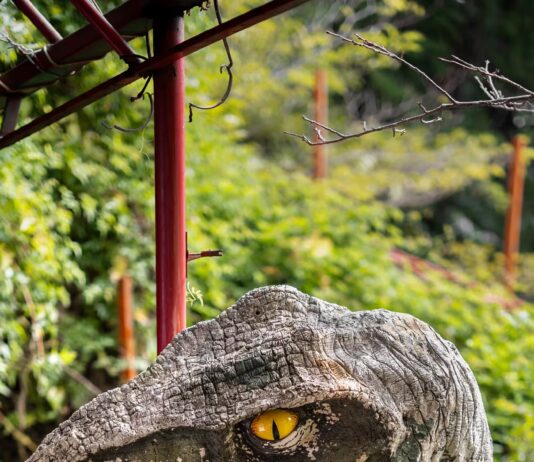
Jurassic Park’s Raptors Should Have Had Feathers, and Alan Grant Knew It
Jurassic Park was a landmark of scientific filmmaking, but its scaly dinosaurs clash with fossil evidence confirming feathers on Velociraptor and 50+ other species — a gap that the real-world paleontologists Sam Neill's Dr. Alan Grant inspired have spent decades closing.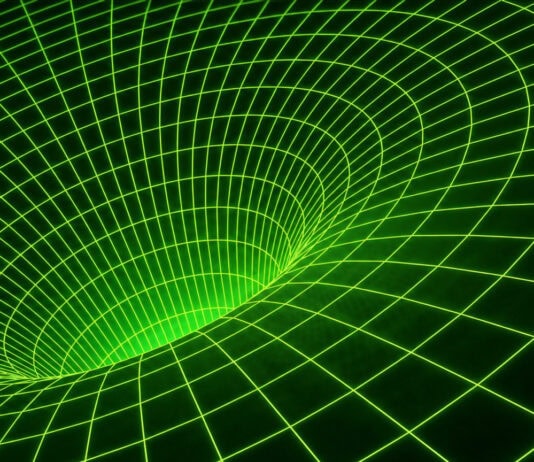
Wormholes Are Mathematically Real — So Why Can’t We Ever Use One?
General relativity's equations permit wormholes connecting distant points in spacetime, and physicists broadly accept they are mathematically valid. The obstacle is exotic matter — a substance with negative energy density that no known material provides at the scales required to keep a wormhole open.Load More
TOP POSTS
January 26, 2026

January 26, 2026

January 26, 2026


EDITOR PICKS
December 12, 2024


December 6, 2024
