
LATEST POSTS
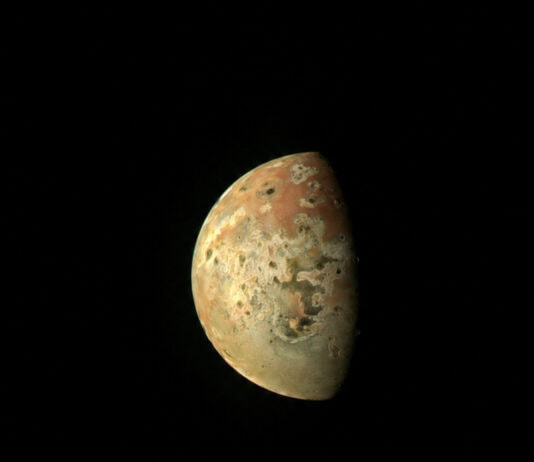
Juno Probe Found Io’s Interior Is a Planet-Wide Magma Mush Zone
NASA's Juno probe made the first direct subsurface measurements of Io, revealing widespread partial melting at depth and a crust so perpetually recycled that the solar system's most volcanic world may never have fully cooled.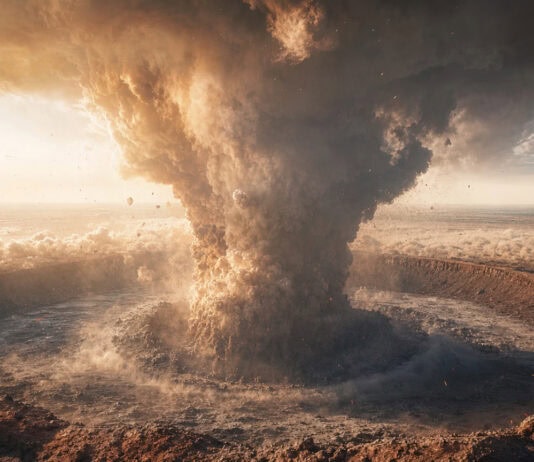
Chicxulub Silicate Dust, Not Fire or Sulfur, Actually Killed the Dinosaurs
A new study identifies fine-grained silicate dust ejected by the Chicxulub asteroid as the single most impactful extinction agent 66 million years ago, outweighing soot and sulfur aerosols by blocking sunlight long enough to collapse global food chains.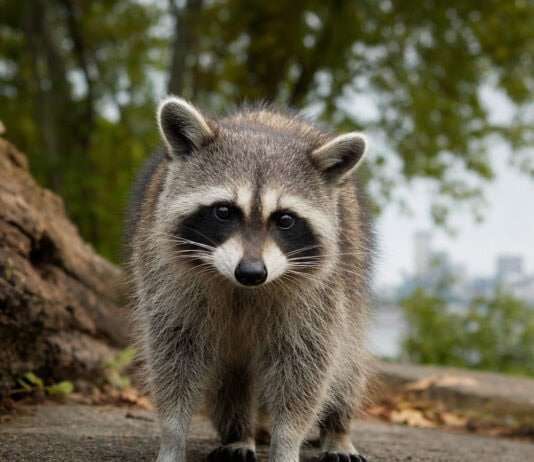
Viral Wildlife Fame Can Kill: What Jimothy’s Story Reveals
Jimothy, a Seattle raccoon who became an international internet sensation, prompted urgent warnings from wildlife professionals — because the science shows that human attention, crowds, and habituation can silently devastate a wild animal's health and survival.
81% of Toddler Foods Are Ultraprocessed — and It’s Reshaping Developing Brains
A University of Texas at Austin study found 81% of packaged toddler foods are ultraprocessed, while research shows toddlers already get nearly half their daily calories from such products — during the critical first 1,000 days of brain development.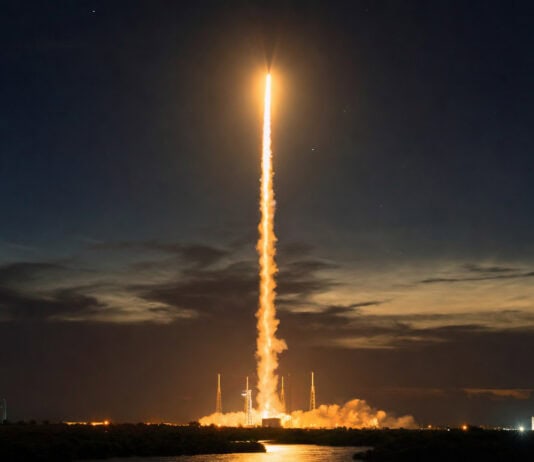
SpaceX Florida Launch July 30: Why NROL-95’s Pre-Dawn Streak Glows
A Falcon 9 carrying the classified NROL-95 payload lifts off from Cape Canaveral at 3:09 AM EDT on July 30 — the only SpaceX Florida launch this week — and the pre-dawn timing means its exhaust plume will glow gold across the Southeast sky, a result of ice-crystal formation and sunlight geometry, not rocket fire.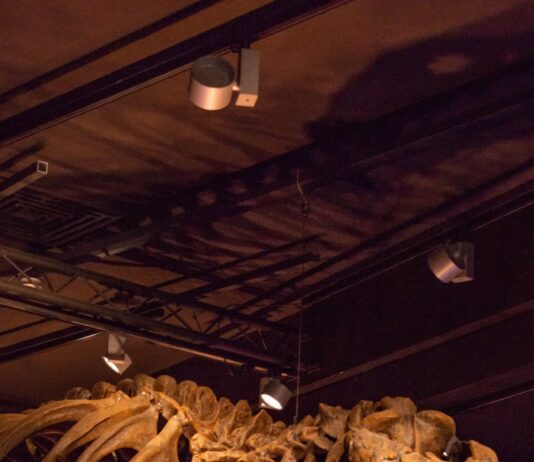
T. Rex Sold for $50M at Auction — and Paleontologists Fear a Fossil Rush
A T. rex skeleton shattered auction records at $50.1 million in July 2025, prompting paleontologists to warn the price signals will accelerate commercial fossil hunting and permanently destroy scientific context that no amount of money can recover.Load More
TOP POSTS
January 26, 2026

January 26, 2026

January 26, 2026


EDITOR PICKS
December 12, 2024


December 6, 2024
