
NASA has named a four-person crew for Artemis III, a mission targeted for 2027 that will involve three separate rocket launches, travel to Earth orbit, and rigorous testing of the hardware designed to carry humans to the Moon — without landing a single astronaut on the lunar surface. That deliberate restraint is not a shortcoming. It is the mission’s entire purpose.
A Mission That Goes to Space — But Not Yet to the Moon
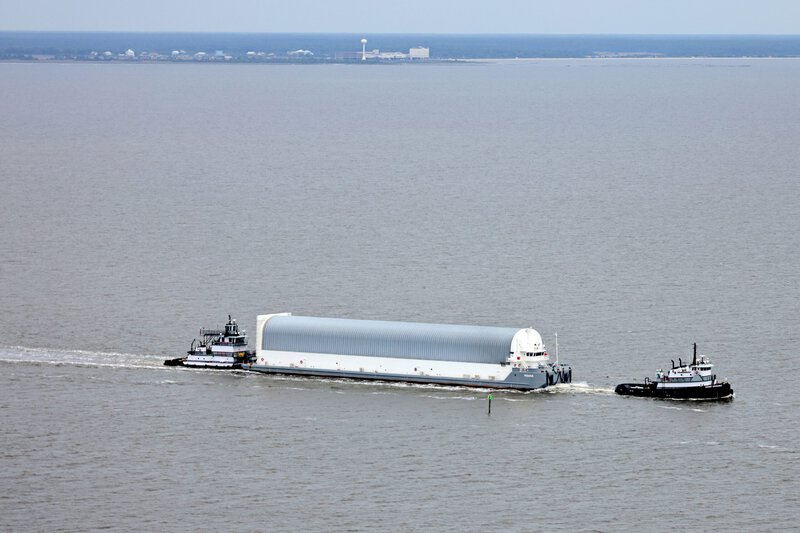
NASA officially classifies Artemis III as a risk-reduction mission. In aerospace engineering, that designation has a precise meaning: a flight designed to surface failure modes and verify performance margins before a higher-stakes follow-on mission depends on that same hardware. According to NASA’s official announcement, Artemis III is structured specifically to support Artemis IV, which the agency describes as the first crewed lunar landing mission of the modern Artemis program.
That framing redefines what success looks like for Artemis III. The mission’s measure of achievement is not a boot print in regolith — the loose surface material blanketing the Moon — but a clean checklist of spacecraft systems validated in Earth orbit, where anomalies can still be caught, addressed, and corrected while rescue options remain available. The most consequential spaceflight milestones are sometimes the ones that appear, on the surface, to fall short of their ultimate destination.
For context: the last time a human being stood on the Moon was during Apollo 17 in December 1972. That more than 50-year gap frames the magnitude of what Artemis IV is ultimately attempting, and explains why NASA is unwilling to rush the hardware validation that Artemis III is designed to provide.
Who Is Going: The Artemis III Crew
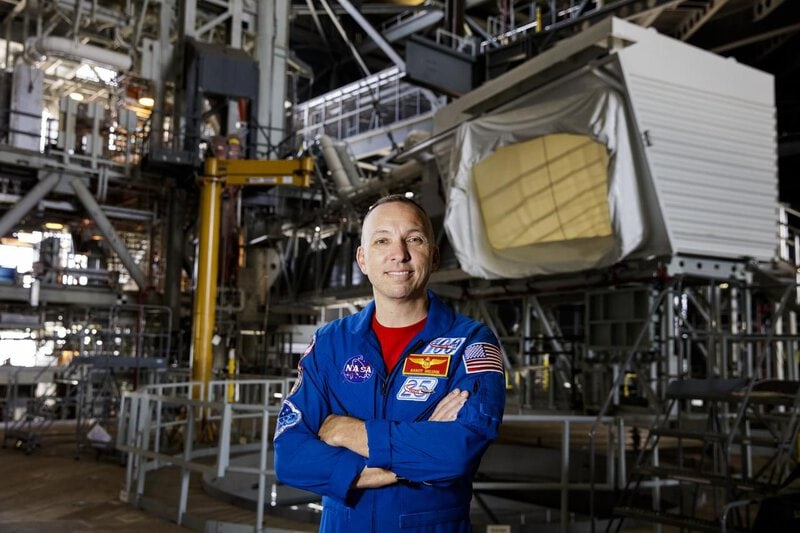
NASA has named Randy Bresnik as commander of Artemis III. Bresnik is a U.S. Marine Corps officer and NASA astronaut who has completed two spaceflights and logged 149 days in space, according to NASA. That operational background matters: commanders of complex, multi-launch missions are selected not merely for flight hours but for systems familiarity and procedural judgment — the qualities NASA requires when a mission’s outcomes carry direct consequences for a downstream crewed Moon landing.
Bresnik’s selection suggests NASA is prioritizing rigorous operational execution over the symbolic optics of assigning a historic “first” to Artemis III, a reasonable priority given that the mission’s primary output is data and validated hardware rather than headlines. The Planetary Society’s reporting on the crew announcement provides additional context on the selection process and what is publicly confirmed about the full roster.
NASA announced four prime crew members and one backup astronaut for the mission. As of the agency’s formal announcement cycle, Bresnik’s role as commander is confirmed. Readers should verify the complete crew roster — all four prime members and the designated backup — directly against NASA’s official astronaut office releases, as the full complement of names may be disclosed in stages as the announcement process concludes. NPR’s coverage of the crew naming provides a useful contemporaneous record of what NASA disclosed and when.
What Artemis III Will Actually Do: Three Launches, One Critical Test
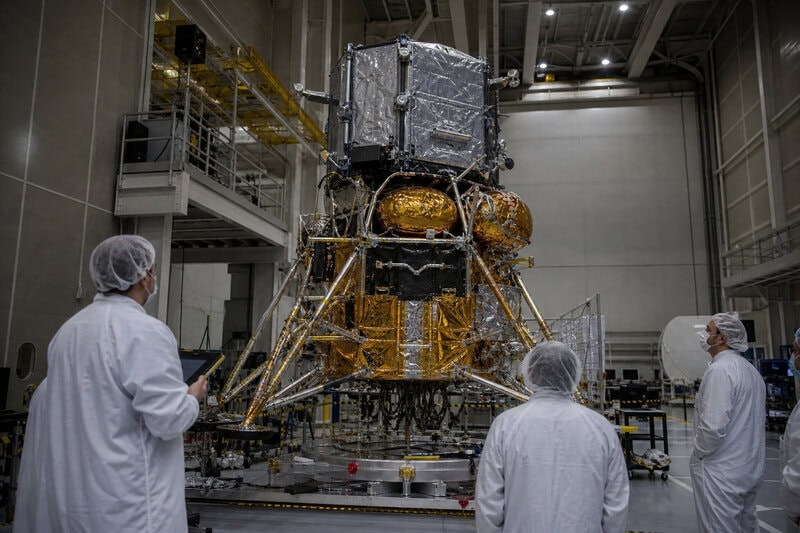
The mission architecture NASA has outlined for Artemis III requires three separate launches — a logistical scale that signals this is not a routine crewed spaceflight but a complex systems integration exercise. According to NASA, the crew will launch into Earth orbit and rendezvous with and test one or possibly two lunar landing spacecraft there.
That orbital testing program will validate three interconnected categories of hardware performance:
- Docking procedures: The precise mechanical and electronic connection of two independently launched vehicles in space, a maneuver that must be repeatable and verifiable before it is attempted far from Earth.
- Life-support interfaces: The systems governing the exchange of breathable atmosphere and environmental controls between the crew capsule and the lander.
- Propulsion system performance: Confirmation that engines and fuel management meet specifications under actual flight conditions rather than ground simulations alone.
The “one or possibly two landers” language in NASA’s own mission description is an acknowledged variable, not editorial ambiguity. It reflects the reality that mission profiles for flights still years away retain flexibility depending on contractor hardware readiness. Which commercial provider’s lunar landing spacecraft — and how many vehicles — will ultimately fly as part of Artemis III remains an open question that reporters and space policy watchers should track as NASA releases further mission details ahead of 2027.
The Wikipedia entry for Artemis III provides a regularly updated summary of the mission’s evolving architecture, though readers should cross-reference it against primary NASA sources for the most current specifications.
Why This Mission Exists: The Road to Artemis IV
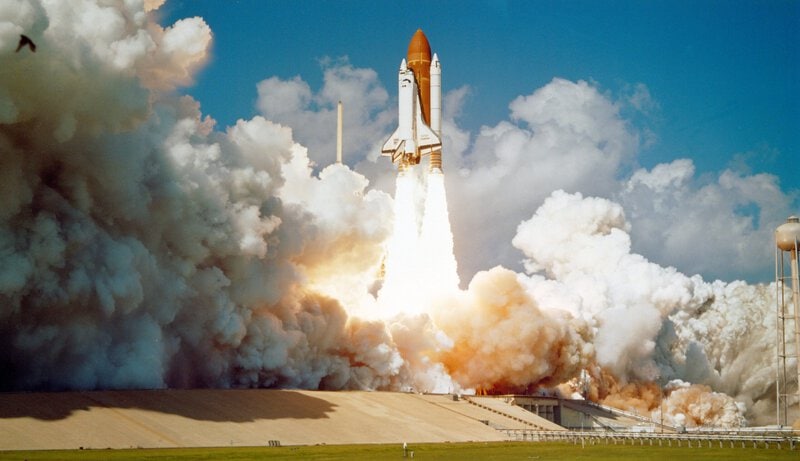
Risk-reduction missions have a specific and well-established role in human spaceflight development. NASA applied this methodology extensively during the Space Shuttle program, using earlier flights to certify systems before expanding operational scope. The logic is straightforward: if Artemis III surfaces a critical deficiency in a lunar lander’s docking collar or life-support loop, that finding protects the Artemis IV crew before the deficiency becomes a crisis far beyond any rescue capability.
NASA explicitly frames Artemis III as preparation for Artemis IV, making the relationship between the two missions a formal programmatic dependency rather than an informal preference. Artemis IV’s schedule and crew safety are directly contingent on what Artemis III learns and validates in Earth orbit. That dependency is what makes the 2027 mission arguably more consequential than its “no Moon landing” headline implies. Without a successful orbital test of the lunar landing hardware, NASA has no validated pathway to the surface — which means the entire crewed landing timeline rests on what Artemis III accomplishes.
The three-launch architecture also previews the operational complexity of the sustained lunar presence NASA envisions as a foundation for eventual deep-space exploration. Coordinating three launches, multiple vehicle rendezvous events, and integrated life-support systems in Earth orbit is itself a demonstration of the logistics a long-term Moon program will require at far greater distances.
The 2027 Target: Ambitious, Context-Dependent, and Not Yet Confirmed
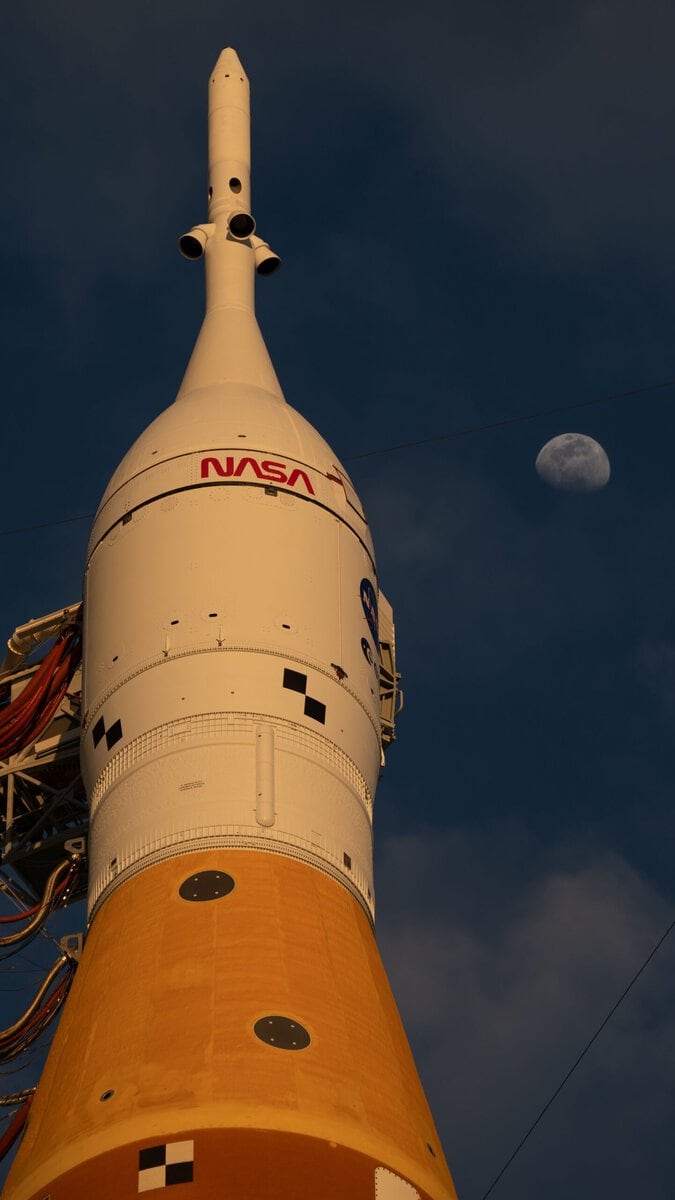
NASA has set 2027 as the planning baseline for Artemis III. That date should be understood against the program’s history: Artemis I, the uncrewed test flight of NASA’s Space Launch System — the heavy-lift rocket developed specifically for Artemis — launched in November 2022 after years of delays, establishing a precedent readers can use to calibrate expectations for subsequent missions.
A planning target is not a launch commitment. NASA itself distinguishes between the two in human spaceflight timelines, where hardware certification, launch range availability, and contractor milestones each carry independent schedule risk. The convergence of three parallel critical paths — the Space Launch System, the Orion capsule, and the commercial lunar landers — will ultimately determine whether 2027 is achievable or whether the program absorbs further adjustment.
Presenting the 2027 date accurately requires acknowledging it as NASA’s stated goal while clearly distinguishing it from a confirmed launch window. Overstating certainty would misrepresent NASA’s own planning framework.
What to Watch Before 2027
Several open questions will shape how Artemis III actually unfolds. Tracking them is essential for anyone following the program closely:
- Lander certification: Which commercial lunar landing spacecraft — and from which provider — will be certified for Artemis III testing in Earth orbit, and whether one or two vehicles will ultimately fly, remains unresolved. NASA’s commercial lander partnerships are a key variable in the mission’s final configuration.
- Full crew roster: The complete Artemis III crew, including all four prime members and the backup astronaut, should be verified against NASA’s official astronaut office releases as the announcement cycle concludes.
- Hardware readiness timelines: The Space Launch System, the Orion capsule, and the commercial lunar landers represent three parallel development tracks whose convergence will determine schedule feasibility.
- Success criteria transparency: NASA has not yet fully detailed publicly what Artemis III must demonstrate in Earth orbit to certify readiness for Artemis IV’s crewed lunar landing. Those specific benchmarks represent a meaningful transparency gap worth pursuing through NASA public affairs channels.
NASA’s introductory video for Artemis III offers a concise overview of the mission’s architecture directly from the agency, and serves as a useful starting point for understanding the three-launch framework in plain language.
Artemis III will not put humans on the Moon. What it will do, if it succeeds, is give Artemis IV the validated hardware and operational knowledge to attempt exactly that. In the calculus of human spaceflight safety, that kind of methodical, incremental progress is precisely how the most consequential journeys actually begin.