
Homer’s Odyssey runs to 12,109 lines and follows Odysseus, king of Ithaca, across a decade of wandering — while his wife Penelope spends most of that time at a loom, waiting. For millennia, that image of patient, housebound femininity shaped what the Western world assumed it knew about women in ancient Greece. A mounting body of archaeological and osteological research is now demonstrating, systematically and specifically, how wrong that assumption was.
Why the Old Story Stuck: Texts, Power, and Who Held the Pen
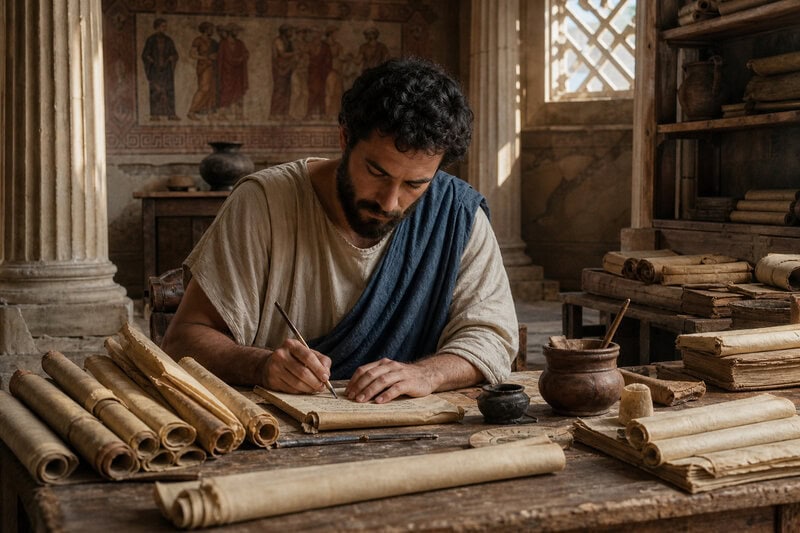
Ancient Greek literature was produced almost exclusively by elite men writing for elite male audiences. The epics of Homer, Hesiod’s Theogony, and the legal speeches of classical Athens described women as they were imagined or ideologically useful — not necessarily as they lived. The result was a literary archive that is rich, fascinating, and deeply partial.
Treating “ancient Greek civilisation” as a single, uniform entity is itself a recognised methodological error. The period spans roughly 2,000 years and encompasses city-states as culturally, legally, and geographically distinct as Athens, Sparta, Alexandria, and dozens of colonies stretching from the Black Sea to the western Mediterranean. Sweeping generalisations about women’s status across that entire breadth are inherently suspect.
The problem is compounded by which texts survived in greatest abundance. Classical Athens produced an unusually restrictive legal and philosophical tradition regarding women — yet it also produced the most surviving text of any Greek city-state. Treating Athenian norms as representative of Greek women’s lives everywhere and always is a recognised flaw in classical studies, not a fringe critique.
Author and classicist Natalie Haynes has been central to bringing this scholarly reassessment to wider public attention. Her book Pandora’s Jar (2020) re-examines women in Greek myth and argues that selective reading of ancient sources has allowed a fiction of universal female passivity to persist in popular culture long after academic scholarship moved on. As Haynes has explored across her work — including her writing on ancient mythology and its modern resonance — the women of Greece were never as silent as the dominant narrative required them to be.
What Bones Actually Say: Osteological Evidence and the Active Female Body
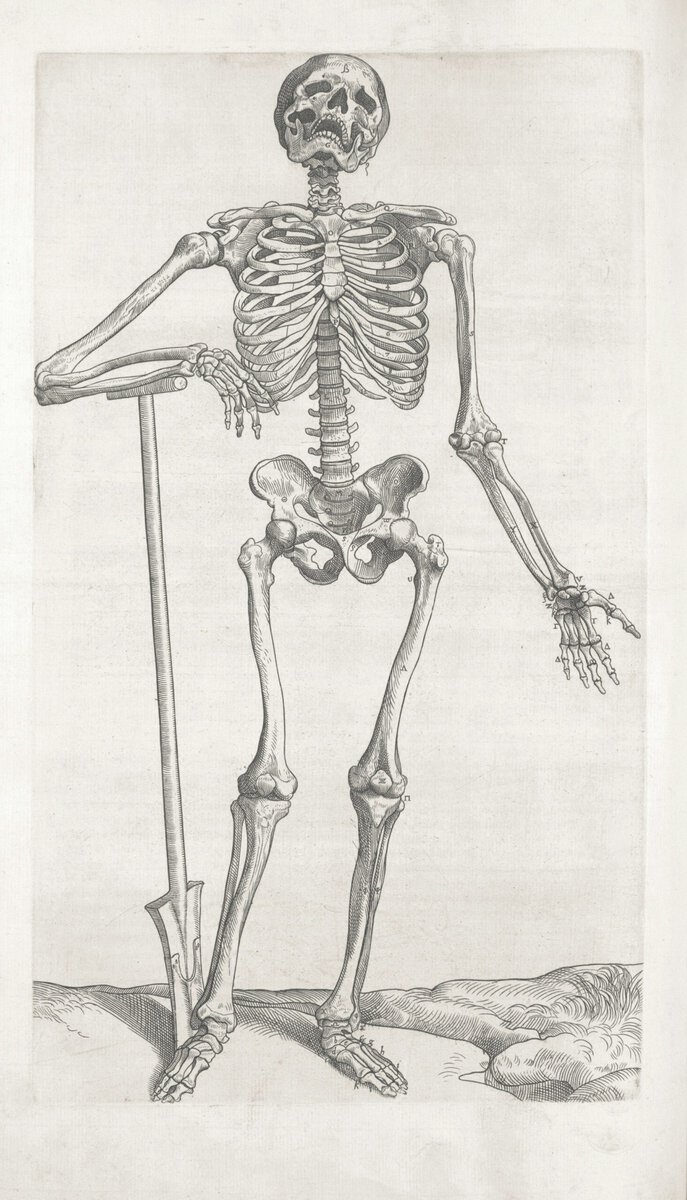
Osteological analysis — the scientific study of skeletal remains to infer diet, disease, occupation, and mobility — has emerged as one of the most powerful tools for reconstructing the lives of ancient Greek women who left no written record of their own. Bone and tooth enamel preserve information that no ancient author chose to record.
A 2020 study published in the Journal of Archaeological Science, examining skeletal remains from Hellenistic-period Greece, found evidence of significant upper-body musculature in female skeletons. That pattern is consistent with sustained heavy labour — agricultural work, textile production at industrial scale, craft manufacturing — rather than with the secluded, sedentary domestic life that literary sources prescribed. The bodies themselves contradict the texts.
Isotope analysis adds another dimension. By tracing the chemical signatures of food and water absorbed into tooth enamel and bone over a lifetime, researchers can reconstruct where individuals grew up and where they died. Findings from sites across the Aegean suggest that some women moved considerable distances during their lives, challenging the literary trope of the housebound wife who never left her domestic sphere. Researchers caution, however, that sample sizes at many individual sites remain too small to support population-wide conclusions. Bioarchaeology — the integration of biological and archaeological data — is a genuinely emerging field for ancient Greece, and its findings should be treated as promising and directional rather than definitive.
Grave Goods and Economic Power: What Women Were Buried With
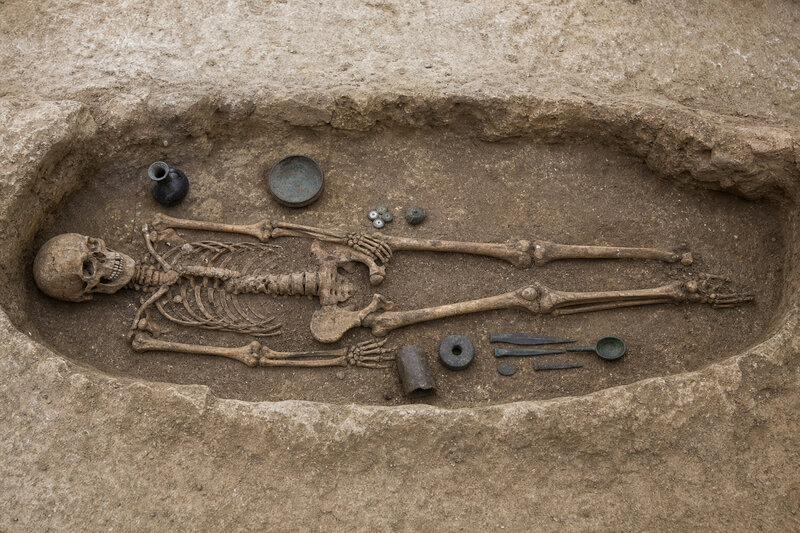
Funerary archaeology has consistently produced evidence that sits awkwardly beside the literary image of women as economic dependents. Across ancient Greece, women were interred with seals, weights, and accounting tools — objects associated with economic management and trade, not with passive domesticity.
Excavations at the ancient Macedonian site of Aigai (modern Vergina), conducted by the Aristotle University of Thessaloniki, uncovered high-status female burials containing gold jewellery, imported goods, and symbols of religious authority. The material record at Aigai indicates wealth and social power that surviving textual sources, read in isolation, would not predict.
Inscriptions — a primary source category distinct from literary texts and often overlooked in popular accounts — extend the picture further. They record women across the ancient Greek world as landowners, creditors, and donors of public buildings. Historian Lin Foxhall, in Studying Gender in Classical Antiquity (Cambridge University Press, 2013), documents this pattern across cities including Sparta, Delphi, and cities of Asia Minor. The epigraphic record does not describe exceptional women; it describes a recurring, geographically widespread phenomenon.
Archaeologists make a useful distinction between “prescribed” identity — what a society officially said a person should be — and “achieved” identity visible in material culture. For women in ancient Greece, the gap between these two categories is proving to be substantial and consequential.
Priestesses, Athletes, and Physicians: Documented Roles Beyond the Household
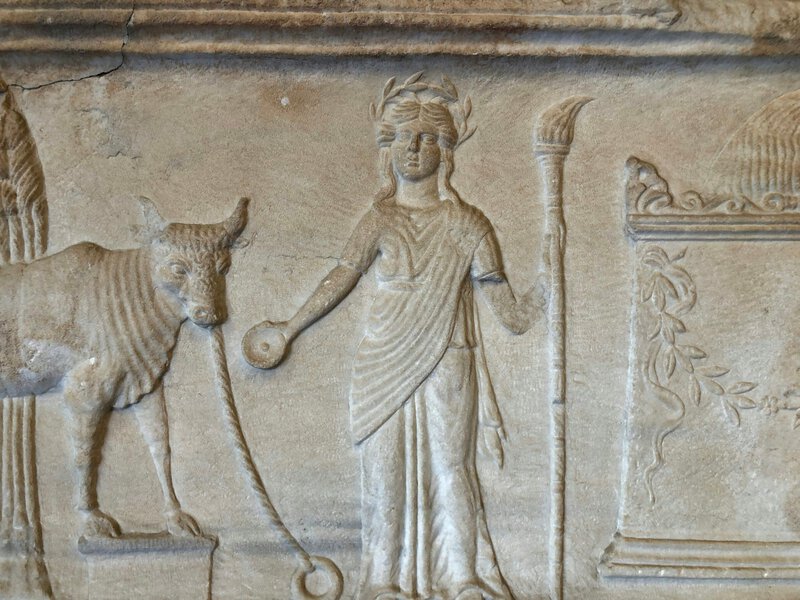
The literary caricature of the confined Greek woman collides most directly with the evidence for women in formal public roles. Some of these roles were not marginal or exceptional — they were central to the civic and religious life of major Greek cities.
The priesthood of Athena Polias in Athens was one of the most powerful civic offices in the ancient city and was held exclusively by women from the aristocratic Eteoboutadai family. This fact is preserved in both epigraphic and literary sources. It coexists, uncomfortably, with Athenian legal texts that denied women formal political standing — a contradiction that illustrates why no single source type can be taken as the whole story.
The Heraean Games, a footrace for unmarried women held at Olympia and described by the travel writer Pausanias in the second century CE, demonstrate that female athletic competition had an institutionalised place in Greek religious life. Its scale and prestige differed from those of the male Olympics, but its existence as a formal, recurring institution is not in scholarly dispute.
Ancient medical texts reference female practitioners, and while the figure of Agnodice — described in a late source as Athens’ first female physician — may be legendary, inscriptions from Asia Minor name women explicitly as doctors using the term iatrinai. The existence of that term in the epigraphic record is not contested by mainstream scholarship. Women practising medicine were documented, named, and apparently unremarkable enough to be recorded in routine inscriptions.
Classicist Sarah Pomeroy’s foundational work Goddesses, Whores, Wives, and Slaves (1975, Schocken Books) — still widely cited nearly fifty years after publication — established the methodological case for reading multiple source types together rather than privileging literary texts alone. That principle is now standard in the field, even if it has been slow to reach popular culture.
Myth Versus Material Evidence: A Live Debate
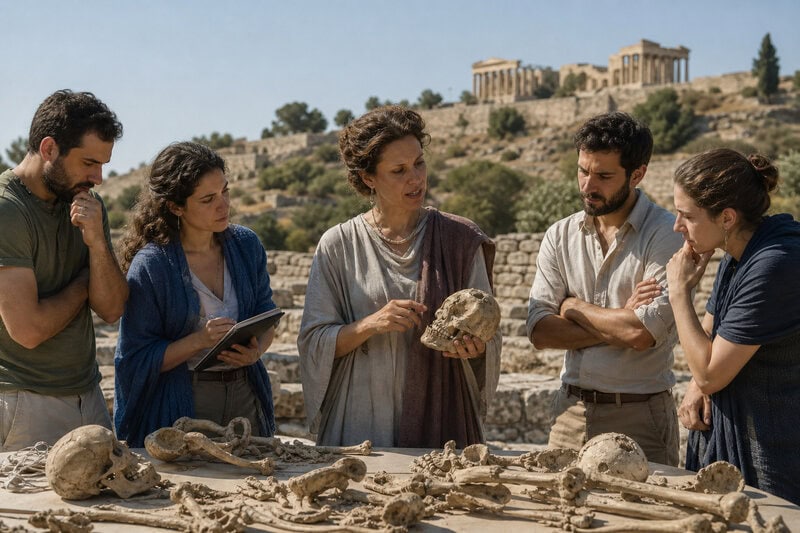
Natalie Haynes argues that Greek mythology, far from simply suppressing women, preserved distorted memories of real female agency. Figures like Medea, Clytemnestra, and Antigone enact forms of power — legal, political, moral — that real women also exercised, even when the myths frame those acts as transgressive or monstrous. The myths are not transparent windows onto social reality, but they are not sealed off from it either.
Scholars including classicist Marilyn Katz have argued that Penelope in the Odyssey is herself a figure of considerable strategic intelligence and household authority — and that generations of readers have misread her patience as passivity rather than as calculated survival in an extraordinarily difficult political situation. Haynes has explored the politics of reading Homer’s opening lines in precisely this spirit — asking whose story is really being told, and who gets to tell it.
The British Museum’s ancient Greece curatorial team, among others, cautions against using mythological narratives as direct evidence for social history without triangulating them against archaeological and epigraphic data. That caution is well placed. What the field increasingly agrees on is a distinction between established consensus — women participated meaningfully in religious, economic, and some civic life across ancient Greece — and contested claims, including the precise degree of autonomy, the extent of regional variation, and the ways women’s situations changed across the full two-thousand-year span of Greek civilisation.
What Scholarship Still Needs to Answer
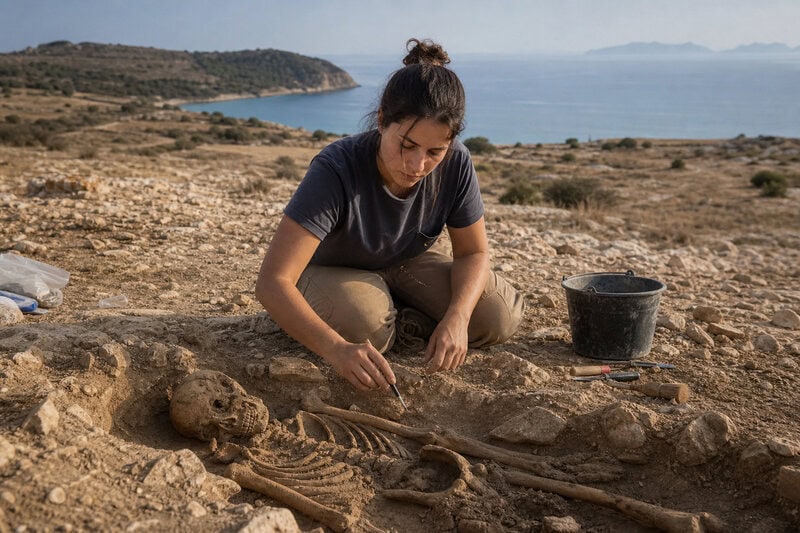
The open questions are significant, and honest reporting requires naming them. Researchers identify systematic bioarchaeological survey of female skeletal remains across multiple regions and periods — not just elite burial sites — as a priority. Current datasets are skewed toward the wealthy and the well-preserved, which introduces its own distortions.
Digital epigraphic databases are beginning to change the scale of what is possible. The Packard Humanities Institute’s Greek Inscriptions project is making it feasible, for the first time, to search tens of thousands of inscriptions for female names, occupations, and legal transactions simultaneously. Researchers expect this methodology to reshape understanding significantly over the coming decade, as patterns previously invisible at small scale become visible across the full corpus.
Regional variation remains one of the least understood dimensions of the whole question. Women’s lives in Sparta — where girls received physical training and women could own property — differed markedly from those in classical Athens. The lives of women in Greek colonies across the Mediterranean and Black Sea littoral are only beginning to be studied with the rigour the question deserves.
As Natalie Haynes and a growing cohort of classicists and archaeologists make clear in their work, the question is no longer whether women in ancient Greece led meaningful, complex, varied lives. The converging evidence from bones, graves, and inscriptions says plainly that they did. The urgent task now is building the rigorous, multi-source, regionally sensitive picture that does those lives — and those women — genuine justice.