
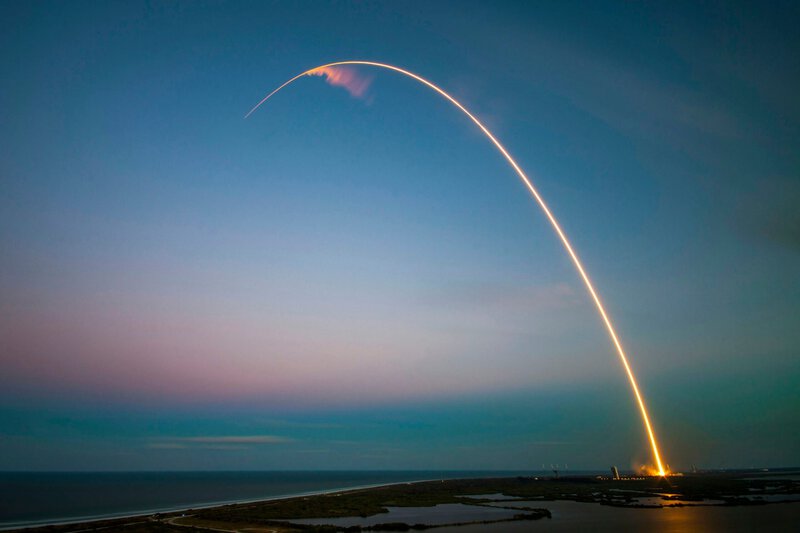
At 12:09 a.m. on July 30, 2026, a SpaceX Falcon 9 rocket is scheduled to ignite at Space Launch Complex 40 on Florida’s Space Coast. In the pre-dawn darkness, with the Atlantic stretching black and quiet to the east, the night sky will briefly turn as bright as a Florida noon. That transformation is not theater. It is thermodynamics, fluid dynamics, and atmospheric physics operating simultaneously at a scale no laboratory can replicate — and it is visible, free, and unmediated to anyone standing on the right stretch of coastline.
Launch Schedule: Key Dates and Windows
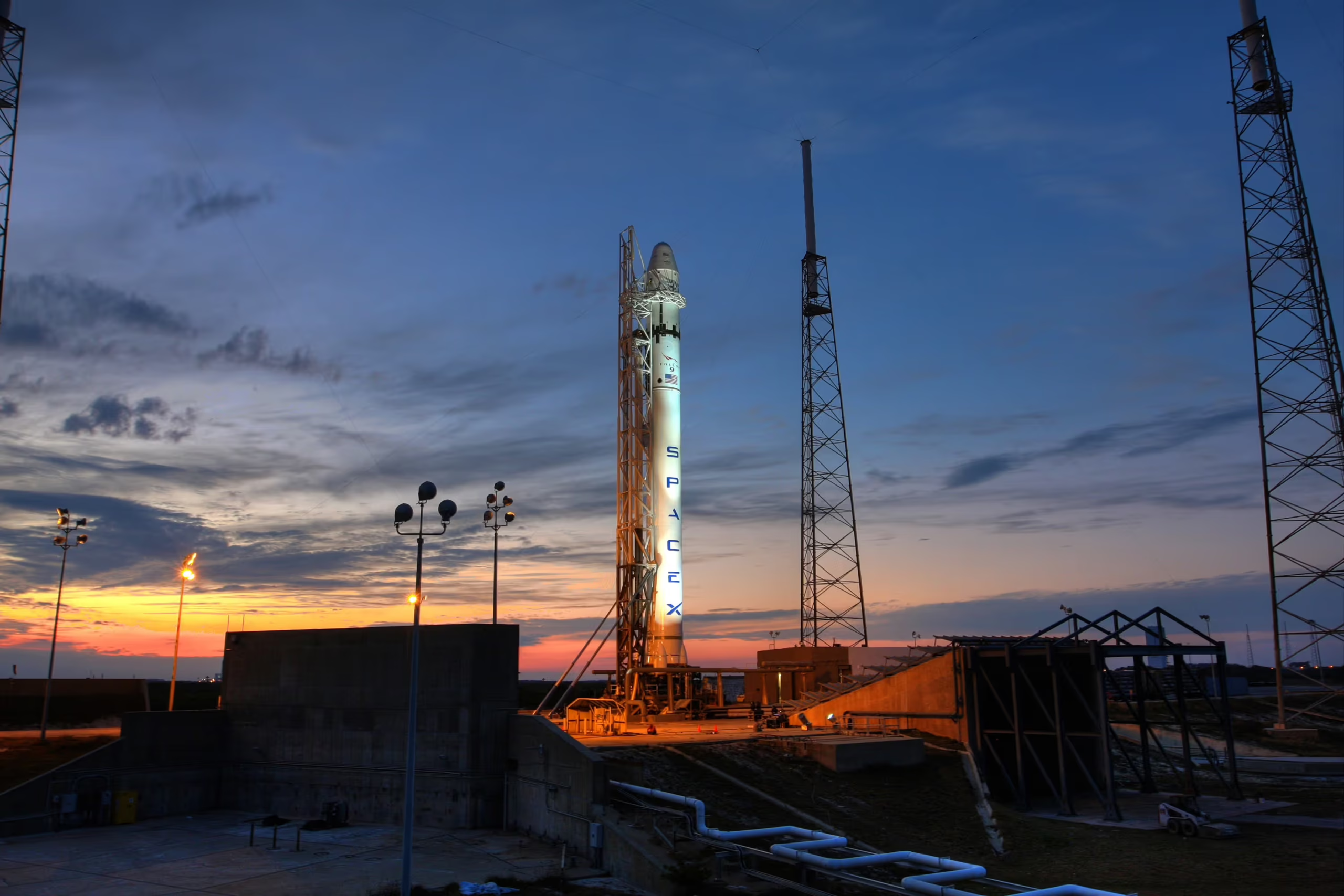
The July 30, 2026 Florida launch is set for 12:09 a.m. EDT from SLC-40, with ground temperatures expected around 79°F. SpaceX targets specific orbital insertion requirements — not viewer convenience — when selecting overnight windows, which is why nocturnal launches recur so reliably across the calendar. Because precise windows can shift close to the opening of a launch opportunity, confirm the final timing on launch day through RocketLaunch.live, which also provides a live stream link updated as liftoff approaches.
VisitSpaceCoast.com logs both the July 30 event and a subsequent August 10, 2026 launch scheduled for 7:00 a.m. as part of SpaceX’s ongoing Falcon 9 schedule. That daytime launch will be visually far less dramatic, which makes the July 30 overnight opportunity the more compelling public spectacle of the two.
Florida Today provides credentialed local coverage beginning 90 minutes before liftoff. Planners should treat the 12:09 a.m. liftoff time as a confirmed starting point, then verify on launch day through Florida Today’s launch coverage. The Palm Beach Post also provides regional tracking useful for viewers farther south; see their Florida rocket launch guide for timing details relevant to West Palm Beach and surrounding areas.
Where to Stand: Best Florida Viewing Locations
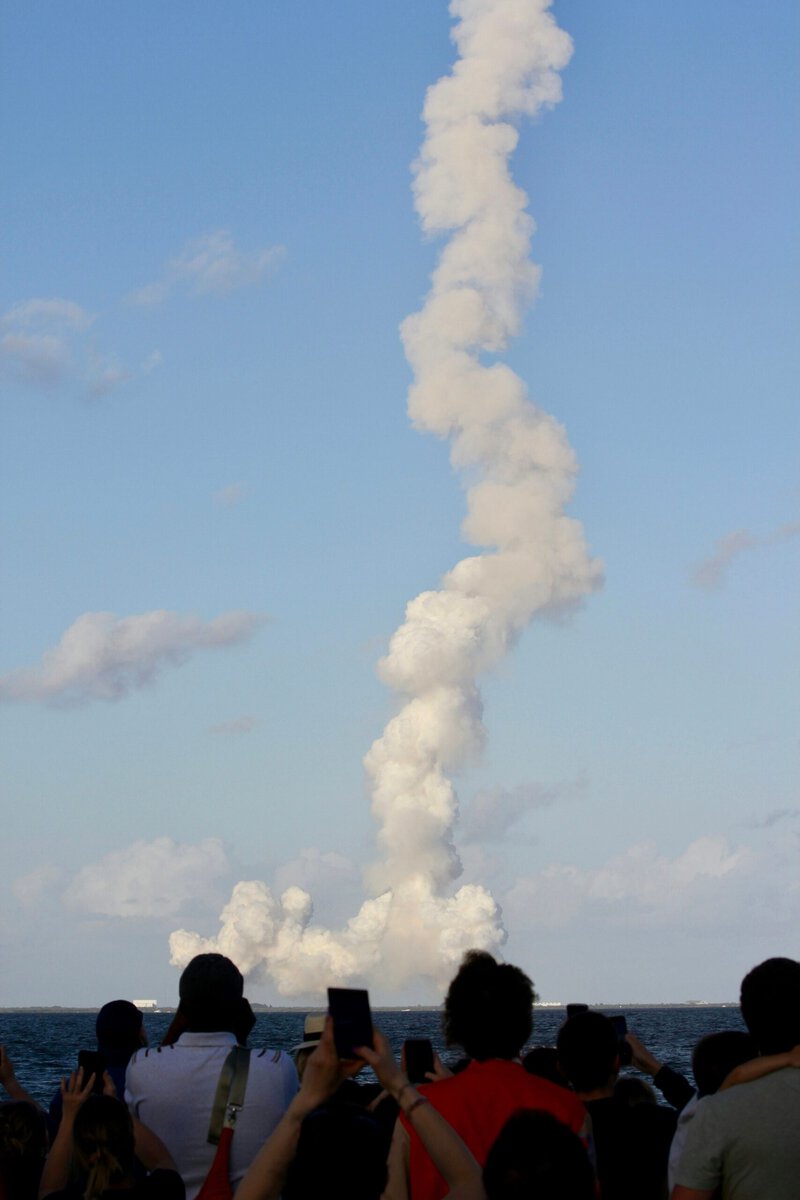
Physical positioning matters more for a night launch than for almost any other public spectacle, because the light effects are directional and depend heavily on a clear, low horizon in the first seconds of flight. VisitSpaceCoast.com specifically identifies the Route 528 corridor over the Banana River near Port Canaveral as among the strongest vantage points for a Pad 40 northeast-trajectory launch. An unobstructed sightline across open water eliminates both foreground light pollution and building interference, leaving the observer with a clean, dark horizon against which the rocket’s exhaust plume registers with full visual contrast.
VisitSpaceCoast.com also advises a preparatory step most casual viewers skip: locate the exact spot on the horizon where the rocket will rise before the launch begins. The first ten seconds of ignition happen quickly, and observers scanning the wrong segment of horizon miss the most dramatically bright and visually complex phase of the entire flight. Knowing in advance where SLC-40 sits relative to your chosen position is the single most practical thing a first-time viewer can do.
Viewers need not be on the immediate Space Coast. News-Journal Online reporting dated July 29, 2026 confirms that the Falcon 9’s visibility envelope extends to Volusia County under clear atmospheric conditions. Elevation above the tree line and access to open water or open sky remain the two dominant variables regardless of whether an observer is at beach level on the Atlantic side or positioned along the Banana River.
For a detailed breakdown of site geometry and sightline considerations, the Rocket Launch Viewing Guide for Cape Canaveral provides site-specific guidance used by both casual observers and professional photographers.
Quick-Reference Checklist for Launch Night
- Confirm the window: Check RocketLaunch.live or Florida Today after 10 p.m. on July 29 for any scrub or delay announcements.
- Arrive early: Port Canaveral viewing areas fill quickly for overnight launches. Plan to be parked and positioned at least 45 minutes before liftoff.
- Face northeast: SLC-40 lies to the north-northeast of Port Canaveral. Orient yourself before ignition so you are not scanning the wrong horizon at T-0.
- Give your eyes time to adjust: Spend at least 15 minutes away from phone screens before liftoff to maximize night-vision sensitivity.
- Wait for the sound: At 10 miles from the pad, the rumble arrives roughly 47 seconds after the visible flash. This delay is normal — do not leave thinking something went wrong.
- Watch the western sky after staging: The returning first stage will descend visibly toward Landing Zone 1 at Cape Canaveral as a bright, slowing point of light.
The Science of the Glow: Why Night Launches Produce Extraordinary Light
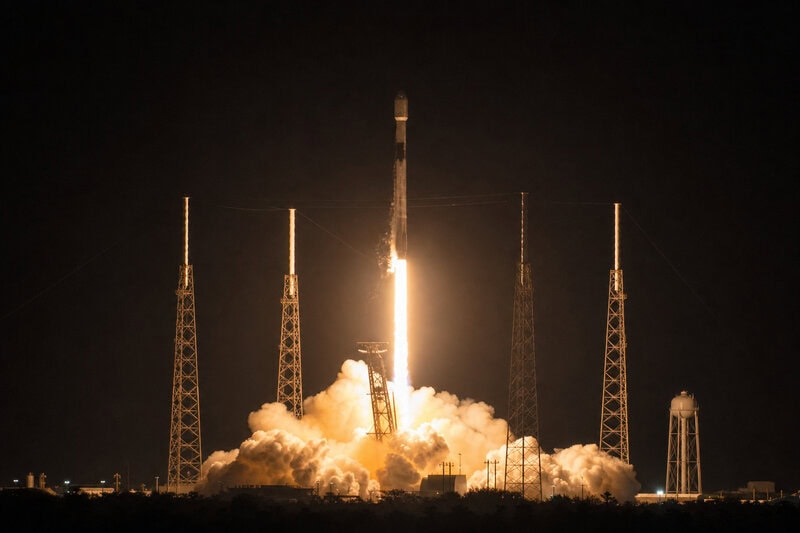
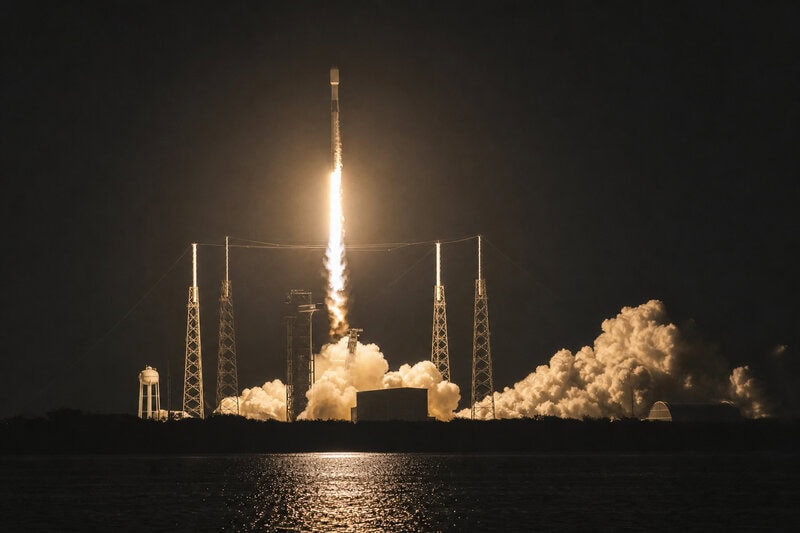
The Falcon 9’s nine Merlin engines burn RP-1 — a refined kerosene-based fuel — combined with liquid oxygen. The resulting exhaust plume reaches temperatures exceeding 3,000°C, producing a luminous cone of incandescent gas. In daylight, that cone competes with solar illumination at roughly 100,000 lux. At midnight, it is unmasked against a sky with near-zero ambient light. The same rocket, the same chemistry, the same energy release — but at night, none of that output is lost in competing brightness. This is the core optical reason a night launch from the Florida coast is categorically different from a daytime event.
As the Falcon 9 climbs above roughly 60 kilometers, the exhaust plume enters near-vacuum conditions. Without atmospheric pressure to contain it, the plume expands rapidly outward into a wide, feathery fan shape — a behavior sometimes called plume bloom. At night, this bloom can appear as a slow-moving luminous cloud drifting across the sky long after the rocket itself has passed beyond naked-eye detection, a ghostly remnant that surprises even experienced viewers.
The booster separation event and the subsequent landing burn at Landing Zone 1 add two discrete, high-intensity light events to the sequence. The landing burn involves engine re-ignition in the lower atmosphere as the returning first stage decelerates for a vertical propulsive landing — a bright, slowing point of light descending visibly toward Cape Canaveral. In darkness, this descent is clearly legible to the naked eye as a distinct engineering event. In daylight, it is nearly invisible against the blue sky.
Some observers have reported faint halo or cloud structures in rocket exhaust at high altitudes, potentially related to ice crystal formation scattering ambient light. Scientists consider this effect distinct from the more thoroughly characterized plume-bloom phenomenon and regard it as variable rather than guaranteed. Treat any such display as a possible bonus, not a reliable feature of every night launch.
What You Will Hear and Feel
Sound travels at approximately 343 meters per second at sea level in 79°F air — the approximate surface temperature expected for the July 30 launch. An observer positioned 10 miles from Pad 40 will experience a delay of roughly 47 seconds between the visible ignition flash and the arrival of the low-frequency rumble. This gap consistently surprises first-time viewers who expect sound and light to arrive together. Knowing the delay in advance transforms confusion into anticipation.
The Falcon 9’s nine Merlin engines generate approximately 1.7 million pounds of thrust at liftoff, producing substantial infrasound — pressure waves below 20 Hz, beneath the threshold of human hearing — which observers at coastal viewing distances typically perceive as a physical sensation in the chest rather than a sound processed by the ears. This is the primary reason seasoned launch-watchers describe the experience as irreducibly full-body, and why no video stream replicates what standing on the beach at 12:09 a.m. actually delivers.
Pre-dawn conditions on the Florida coast add an acoustic dimension that daytime launches lack. The absence of traffic noise and wind makes the pre-ignition environment significantly quieter, which sharpens the contrast when the sound wave arrives. Atmospheric inversions — layers of warmer air sitting above cooler surface air, a common pre-dawn phenomenon on the Florida coast — can trap and amplify sound, occasionally making launches audible well north of the typical range. At the distances maintained by range safety protocols, observers face no dangerous pressure or heat; physical effects are limited to sound, infrasound vibration, and the substantial illumination described above.
How to Watch Live If You Cannot Be There
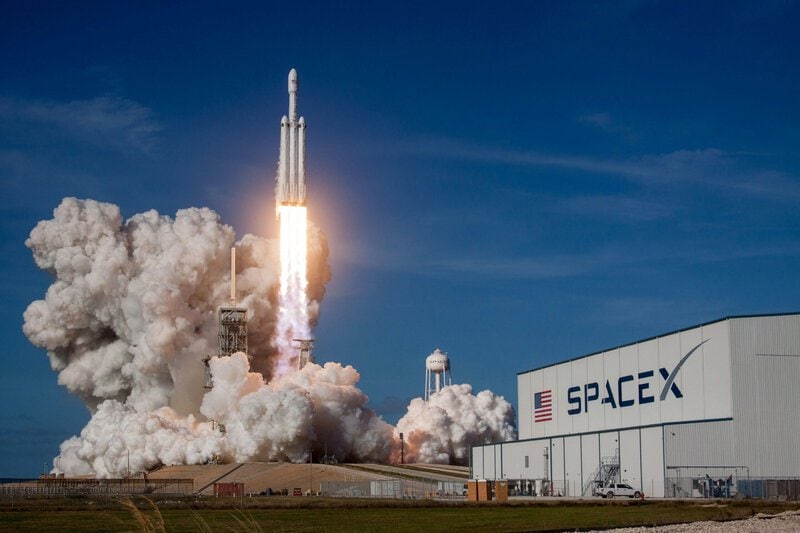
SpaceX streams its own launches on its official channels, accessible through the SpaceX launches page, typically beginning at T-20 minutes with onboard camera feeds that capture booster separation and the landing burn in real time. Florida Today provides the coastal observer’s perspective via its live coverage stream beginning 90 minutes before liftoff. The two streams are complementary: SpaceX provides the vehicle’s own data and onboard views; Florida Today provides the ground-level experience from the Space Coast.
For the August 10 daytime launch, the streaming experience becomes comparatively more valuable than in-person viewing. Plume effects that are vivid against a dark sky are substantially muted in sunlight, making the onboard camera feed the richer visual record for that particular event.
Why This Launch Is Worth Your Attention
A night rocket launch watched from the Florida coast is one of the few remaining events in modern public life where a complex scientific and engineering achievement is simultaneously visible, free, and immediate — requiring no telescope, no ticket, and no technical translation. The visual phenomena — combustion plumes, vacuum expansion, booster descent burns — are intuitively legible at the scale at which they occur.
SpaceX’s launch cadence from Florida in July and August 2026 reflects a frequency of access to orbit that was historically associated only with the space-race programs of the 1960s. The normalization of that cadence is itself worth noting: what was once a national event requiring years of preparation now recurs on a near-monthly schedule, visible from public beaches at no cost.
The Falcon 9’s booster landing, seen at night against a dark Atlantic sky, makes the engineering logic of reusable launch vehicles legible in a way no press release achieves. A first stage that launched a payload to orbit descending under its own power, slowing visibly, and landing upright on a pad a few miles away is a live demonstration of the economics reshaping commercial spaceflight. At 12:09 a.m. on July 30, that demonstration will be available to anyone on the right stretch of Florida coastline — which, under clear skies, turns out to be a very long stretch indeed.