
Roughly one in seven pregnant women in the United States now reports drinking alcohol — and that number has been climbing steadily for more than a decade, according to a new study published in JAMA examining trends in alcohol consumption during pregnancy from 2011 through 2024. The findings carry an uncomfortable biological reality: when a pregnant woman drinks, ethanol reaches fetal circulation within minutes, and the developing brain has no reliable mechanism to clear it.
The Trend Line That Demands Attention

The JAMA study found that alcohol use during pregnancy rose from 9% in 2011-2012 to 14.5% in 2023-2024 — an increase of more than 60% over roughly a decade. The most recent measurement window sharpens the concern further: during 2021-2024, 15.2% of pregnant women reported current alcohol use, up from 13.5% during 2018-2020. Researchers note the upward trend was already documented before the COVID-19 pandemic began, though population-wide alcohol consumption rose broadly during that period and likely accelerated the trajectory.
Riskier drinking patterns are rising alongside overall prevalence. During 2021-2024, nearly 5% of pregnant women — 4.9% — reported binge drinking, defined as consuming four or more drinks on a single occasion. Another 2.2% reported heavy drinking. High peak blood-alcohol concentrations, of the kind produced by binge episodes, are associated with the most severe fetal neurological outcomes in the scientific literature. These are not statistical abstractions; they describe real exposure risk to developing brains.
First-trimester exposure stands out as a particular concern. Approximately 20% of pregnant women reported drinking during their first trimester — the window when the embryo’s foundational organ systems, including the brain, are being assembled. An earlier U.S. study had already identified a modest increasing trend in prenatal alcohol use from 2011 to 2018, giving the new JAMA findings important historical context and supporting the argument that this is a durable upward trajectory rather than a measurement anomaly.
One important caveat applies to all of these figures: they are based on self-reported data. Research consistently shows that self-reporting underestimates actual consumption, particularly for stigmatized behaviors. The true prevalence of prenatal alcohol exposure in the U.S. is therefore likely higher than the published numbers reflect.
How Alcohol Reaches the Fetus — and Why No Safe Threshold Has Been Established
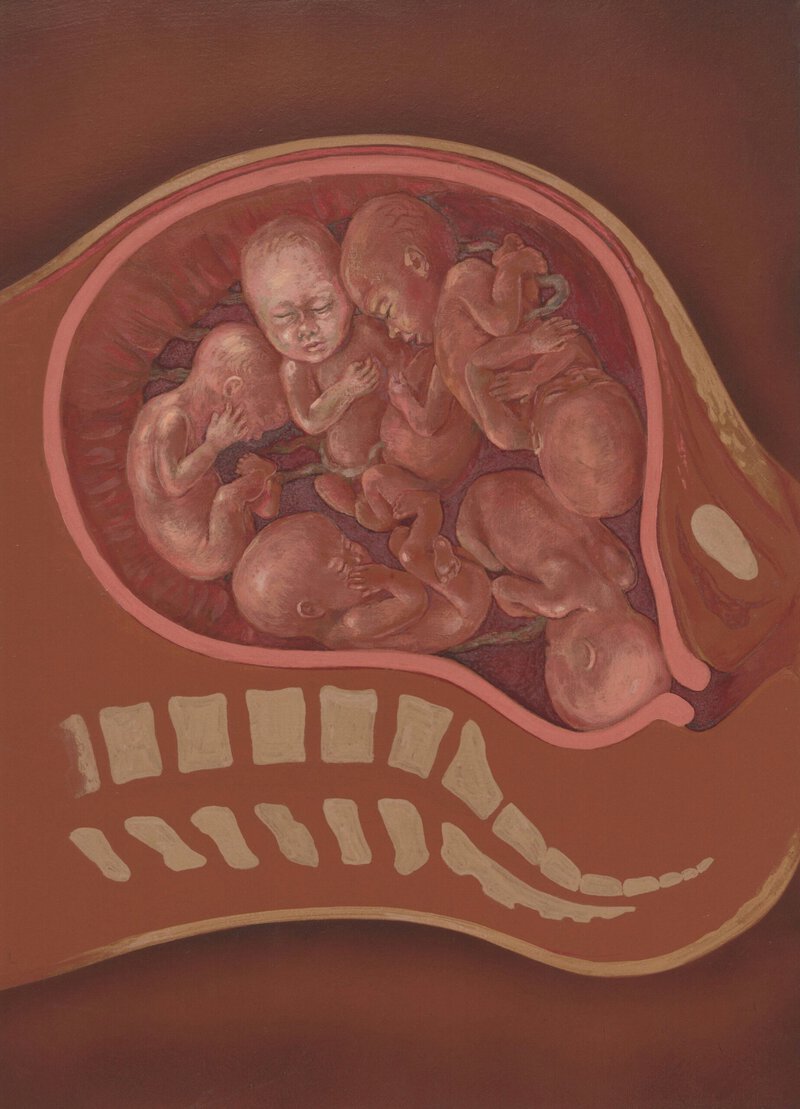
Ethanol — the psychoactive compound in all alcoholic beverages — crosses the placenta through simple diffusion, moving passively down a concentration gradient without requiring transport proteins or metabolic assistance. This transfer begins within minutes of a mother consuming a drink, and fetal blood-alcohol concentrations closely mirror maternal levels. Unlike many pharmaceutical compounds, ethanol faces no meaningful placental barrier.
What happens next is where fetal risk diverges sharply from maternal risk. A fully developed adult liver clears ethanol through a multi-step enzymatic process. The fetal liver lacks mature enzyme systems capable of metabolizing alcohol efficiently. As a result, the fetus is exposed to ethanol for significantly longer than the mother experiences any effect. The developing brain and organs are bathed in a substance they cannot process during the precise period when their architecture is being established.
The CDC, the American College of Obstetricians and Gynecologists, and the World Health Organization share a consensus position: no amount of alcohol at any stage of pregnancy has been proven safe. This reflects the fact that no study has established a risk-free lower bound for prenatal alcohol exposure. An emerging and still-contested body of research explores whether very low-level exposure carries measurable harm — a scientifically legitimate debate — but it does not alter current clinical guidance, and the JAMA authors are careful to make that distinction explicit.
What Prenatal Alcohol Exposure Does to the Developing Brain
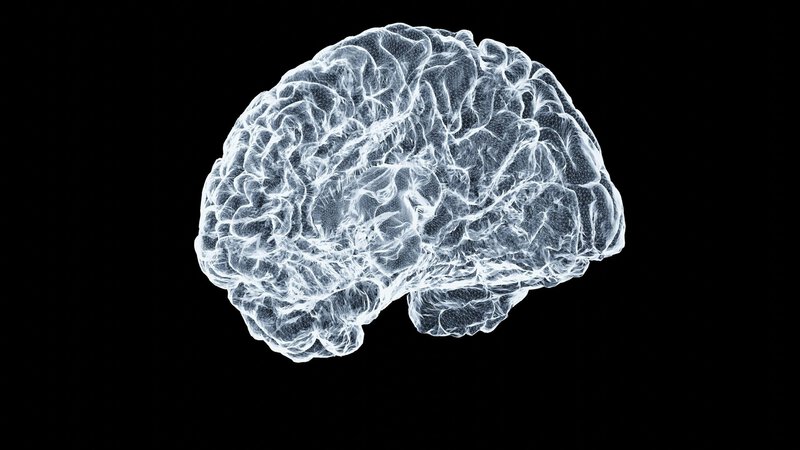
Alcohol is classified as a teratogen — a substance with proven capacity to disrupt normal fetal development. The fetal brain is its primary target. Ethanol interferes with neuronal migration, the process by which developing nerve cells travel to their correct positions; it disrupts synapse formation, through which neurons establish communication pathways; and it impairs the pruning processes that refine the brain’s wiring during gestation. These are not subtle perturbations — they affect the foundational architecture of cognition.
The resulting conditions fall under the umbrella term fetal alcohol spectrum disorders, or FASDs. According to the CDC, FASDs are the leading known preventable cause of intellectual disability in the United States. Fetal alcohol syndrome — the most severe diagnosis on the spectrum — is characterized by distinctive facial features, growth deficiencies, and significant central nervous system damage. But researchers consistently emphasize that cognitive and behavioral deficits can occur without any visible physical signs, making many cases difficult to identify and easy to misattribute to other causes.
Studies in neurodevelopmental science have linked even moderate prenatal alcohol exposure to measurable differences in brain volume, executive function, and impulse control. Critically, these differences may not become fully apparent until a child reaches school age or adolescence — long after the exposure has occurred and often after any clinical window for early attribution has closed. This delayed visibility is a primary reason FASDs remain broadly underdiagnosed.
Who Is Drinking — and Why the Pattern Is Shifting

The JAMA study examined not just overall trends but also the demographic and behavioral factors associated with higher rates of prenatal drinking. Understanding who is drinking, and in what contexts, is essential for designing targeted interventions rather than relying on broad messaging that research suggests has limited effectiveness on its own.
Alcohol consumption among women of reproductive age increased substantially over the past two decades, driven by cultural, economic, and marketing factors. Pregnancy does not automatically function as a behavioral deterrent, particularly when drinking has become normalized in social environments that include women of childbearing age. The rise in prenatal alcohol use reflects, in part, a population-level shift in drinking behavior that predates any single pregnancy.
Stigma compounds the problem in a specific and consequential way. Many pregnant women who drink never disclose their consumption to a healthcare provider, and inconsistent clinical screening means that many who would benefit from counseling never receive it. Researchers at Columbia University’s Mailman School of Public Health, commenting on the findings, have identified this screening gap as a structural failure in prenatal care — one that is addressable but has not been adequately prioritized in clinical practice or health system design.
What Clinicians and Researchers Say Should Happen Now

Universal, validated alcohol screening at every prenatal visit is recommended by major obstetric guidelines. Tools such as the AUDIT-C questionnaire — a brief instrument that takes under two minutes to administer — are designed precisely for this setting. Yet systematic application remains inconsistent across U.S. healthcare settings, particularly in under-resourced practices where time and reimbursement constraints are most acute.
Brief motivational counseling interventions delivered by obstetricians and midwives during prenatal visits have demonstrated effectiveness in reducing alcohol use during pregnancy in randomized controlled trials. The evidence base exists. The barrier is structural: these interventions are rarely reimbursed as a distinct clinical service and are not systematically deployed at scale in most health systems, even where guidelines recommend them.
Researchers also call for a shift in how public messaging is framed. Abstract warnings have circulated for decades without reversing the trend now documented in the JAMA data. Concrete mechanistic information — explaining that alcohol enters fetal circulation within minutes and that the fetal brain cannot clear it efficiently — may be more persuasive to pregnant women weighing a decision in the moment than generalized caution statements. CDC surveillance data on alcohol use during pregnancy have long supported the case for more targeted and specific communication strategies over broad public awareness campaigns alone.
The rising prevalence of binge and heavy drinking among pregnant women also signals that policy responses calibrated only to light or casual drinking will fail to reach the highest-risk segment of the population. The 4.9% of pregnant women reporting binge drinking during 2021-2024 represent a group with meaningfully elevated fetal risk — one that requires more intensive clinical engagement than a brief screening question alone can provide, including access to behavioral health support integrated into prenatal care.
A Preventable Problem Moving in the Wrong Direction
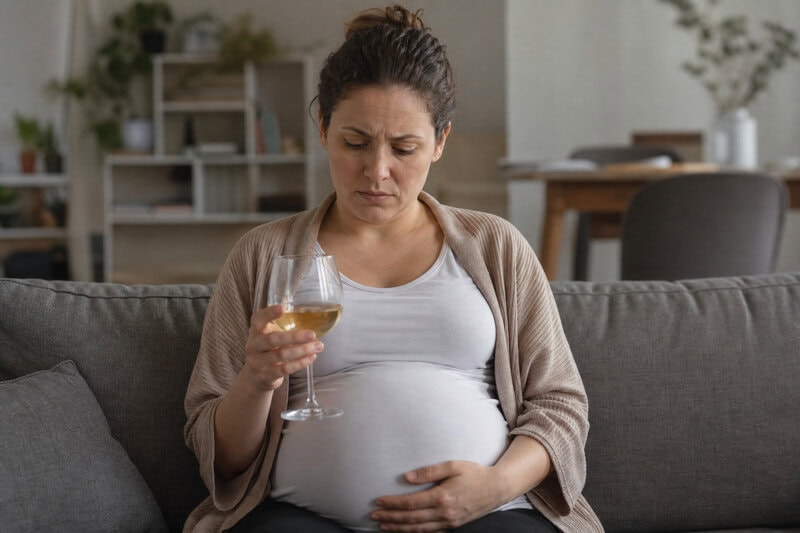
The JAMA trend data make a plainly uncomfortable point: alcohol use during pregnancy in the U.S. is not a stable, residual public health problem. It is an actively worsening one. The rise from 9% in 2011-2012 to 14.5% in 2023-2024 has occurred across a period of expanding scientific knowledge about fetal harm and sustained public health messaging about the risks of drinking alcohol during pregnancy. Neither knowledge nor messaging has been sufficient to bend the curve.
Fetal alcohol spectrum disorders are entirely preventable outcomes. Unlike many birth complications rooted in genetic or biological factors beyond individual control, every case attributable to prenatal alcohol exposure is, in principle, avoidable. The scientific consensus is unusually firm: no safe amount has been identified, no safe trimester exists, and no type of alcoholic beverage has been shown to carry meaningfully less fetal risk than another. That position is held by every major U.S. and international health authority without meaningful dissent.
With prevalence rising and screening still inconsistently applied, the gap between what science knows and what clinical practice delivers remains one of the most consequential — and most correctable — failures in maternal-fetal medicine. The JAMA study does not offer a new biological mechanism or an unexpected finding about how alcohol harms the fetus. What it offers is harder to set aside: clear, measured evidence accumulated over thirteen years showing that the problem is getting worse, that the tools to address it exist, and that the systems meant to deploy those tools are not doing so.