The Science Behind Volcano Monitoring
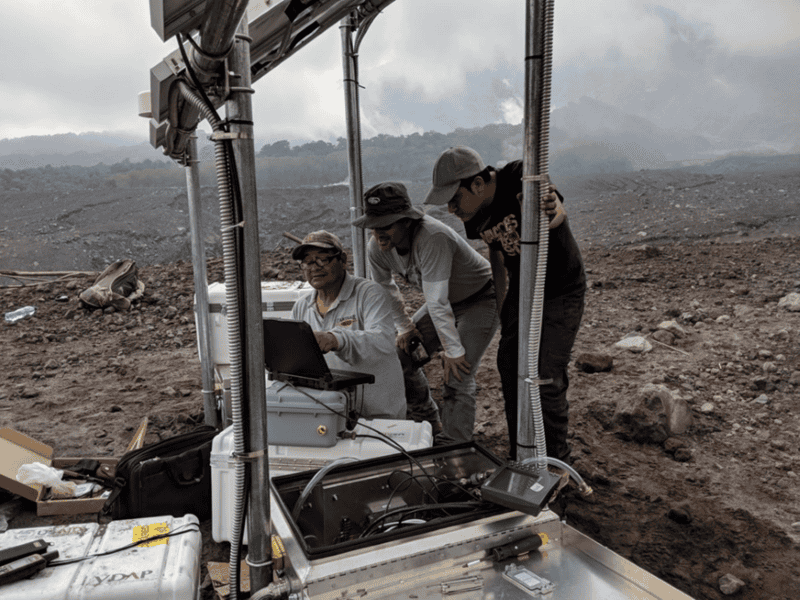
Monitoring volcanic activity involves a combination of advanced technologies and scientific methodologies. Seismographs are crucial for detecting tremors and earthquake swarms, indicators of magma movement. Additionally, satellite imagery provides real-time data on ground deformation and thermal changes. Gas emission sensors measure volcanic gases like sulfur dioxide, offering clues about subterranean activity. Ground-based GPS stations track even minute shifts in the earth’s surface. These tools collectively enhance predictive capabilities, allowing scientists to anticipate eruptions with greater accuracy. Continuous monitoring ensures that any significant changes are promptly detected, aiding in timely risk assessment and public safety measures.