The Youngest Sibling—Creativity, Risk-Taking, and Charm
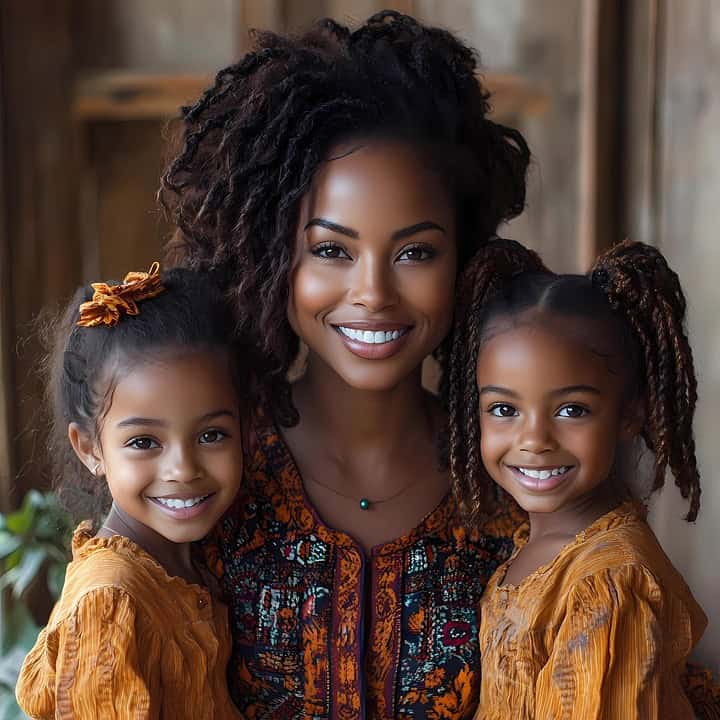
The youngest in the family often enjoys a reputation for being charming, outgoing, and even a bit rebellious. These traits, sometimes affectionately called the “baby of the family” effect, have been the subject of considerable scientific scrutiny. But does research back up the idea that last-borns are more creative or willing to take risks?
Studies suggest there is some merit to these stereotypes—albeit with important caveats. For instance, research published in the Personality and Individual Differences journal found that youngest siblings tend to score higher on measures of openness to experience and sociability. Psychologists theorize that growing up as the youngest often means navigating a family where roles and routines are already established, prompting last-borns to carve out their own niche through humor, creativity, or bold behavior.
Additionally, some evidence indicates that the youngest are more likely to take risks—both socially and professionally. This may be partly because parents are typically more relaxed and permissive with their youngest children, allowing them greater freedom to explore and push boundaries. As a result, last-borns may develop an appetite for novelty and adventure, traits that can lead to creative achievements in adulthood.
There are also real-world examples supporting these trends. Many well-known entertainers, entrepreneurs, and innovators are youngest children, fueling the perception that being last in line encourages originality and charisma. However, as with all birth order effects, the differences are generally modest. Environmental influences, family dynamics, and individual temperament all play significant roles in shaping a youngest child’s path.
Ultimately, the science suggests that while youngest siblings may be more likely to display creativity, charm, and risk-taking, these traits are not guaranteed. Instead, they reflect a combination of family environment, parental expectations, and the unique opportunities presented by being the “baby” of the group. In the sections ahead, we’ll explore how these patterns interact with parental behavior, sibling rivalry, and the broader context of family life.