Conclusion
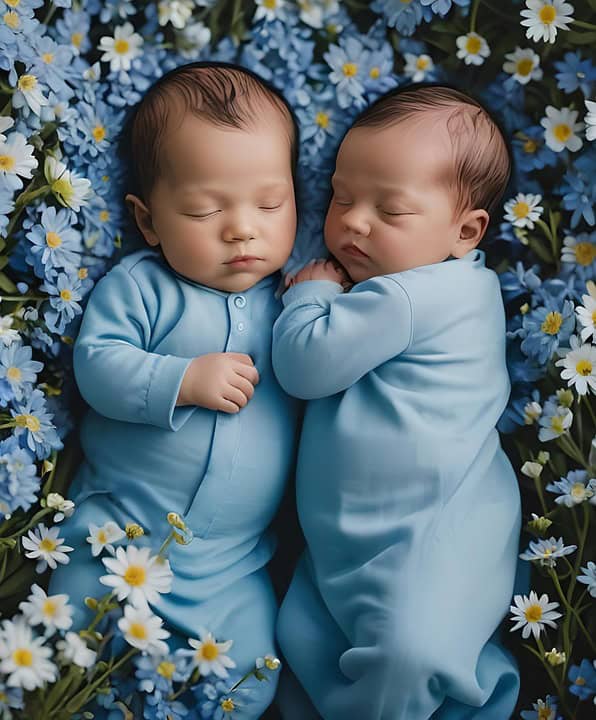
The science of birth order is both fascinating and complex, weaving together threads of psychology, sociology, family dynamics, and culture. While it’s tempting to cling to the familiar stereotypes—responsible firstborns, adaptable middles, and creative youngest siblings—the evidence shows that these roles are far from destiny. Robust research, including large-scale studies from sources like the Proceedings of the National Academy of Sciences, confirms that birth order can nudge personality and life choices, but its effects are typically subtle and deeply entangled with other factors such as parenting style, socioeconomic status, and cultural expectations.
As we’ve seen, firstborns may be slightly more inclined to leadership and conscientiousness, while youngest siblings might show a greater taste for risk and creativity. Middle children often excel at social negotiation, and only children develop a unique blend of independence and maturity. Yet, these patterns are not guarantees. Individual temperament, family environment, and broader societal forces play equally important—if not greater—roles in shaping who we become.
Perhaps the greatest value in understanding birth order lies in fostering empathy for ourselves and our loved ones. Recognizing the subtle influences at play can help parents support each child’s strengths, individuals appreciate their own paths, and families celebrate their unique dynamics. If you’re curious to dive deeper, explore more research through trusted sources like the American Psychological Association or the National Institutes of Health.
In the end, your place in the family is just one chapter in the story of your life. However you identify—firstborn, middle, youngest, or only—embrace the insights science provides, but don’t let them define your potential. The most important story is the one you write for yourself.