The Glozel Tablets
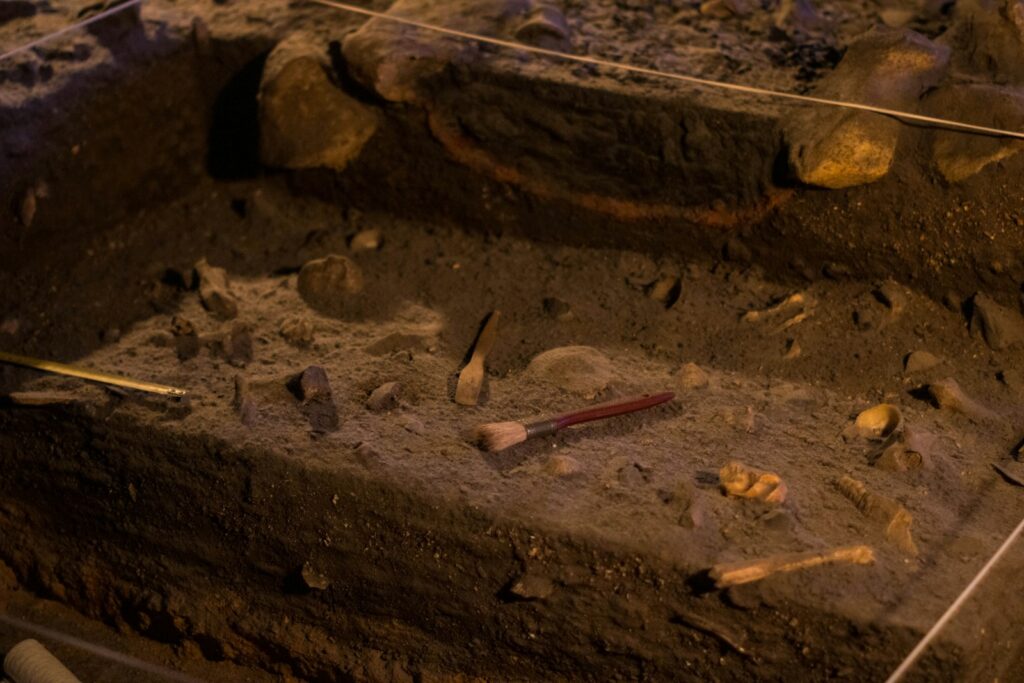
In 1924, a farmer in Glozel, France, unearthed a collection of inscribed clay tablets and artifacts that would soon spark controversy. The tablets, bearing mysterious symbols and inscriptions, suggested a previously unknown prehistoric civilization. However, the academic establishment quickly dismissed their authenticity, labeling them as elaborate hoaxes. This dismissal stemmed from the tablets’ potential to challenge established historical narratives. Though subsequent analyses have suggested the artifacts’ authenticity, the initial skepticism created a cloud of doubt. The Glozel Tablets remain a subject of debate and curiosity, intriguing those who question the rigidity of historical orthodoxy.