3. While certain parts of the brain have an increased frequency during dreaming, there are also passive brain areas.
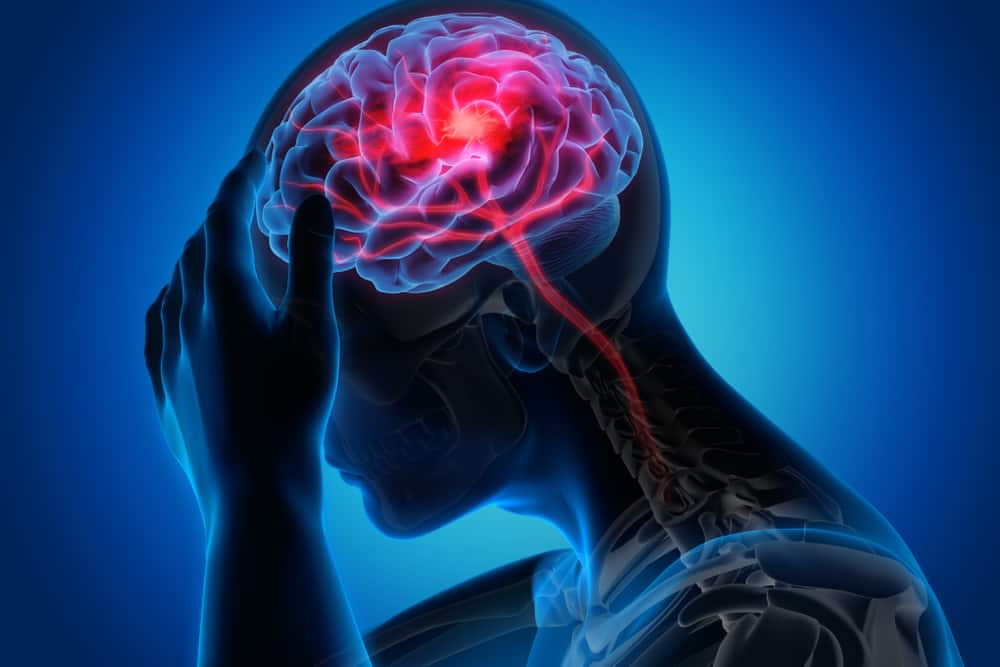
Like how scientists studied which parts of the brain are active while someone is dreaming, they have also completed an analysis of the dormant areas. The areas of our minds that are responsible for placing items in a physical context remain dark. This discovery helps to explain why sometimes proportions are often distorted in dreams. One example of this is within the right inferior parietal cortex’s inactivity. The lack of activity in this area may explain why we can experience dreams in both the first and third person. The inferior parietal cortex is not the only area of the brain that remains dormant.

Executive regions of the prefrontal cortex responsible for reality testing and self-monitoring also remain dark. That can explain why the dreamer is completely unfazed when a person is replaced with an animal while you are in a work meeting. When we are awake, a situation like that will make zero sense. However, since that part of the brain remains inactive or dormant while dreaming, we are entirely unfazed by it.