5. Dreaming can occur in all stages of sleep, including during non-REM stages.

One of the most common misconceptions is that dreams only occur during the REM sleep stage. As previously mentioned, REM sleep is an excellent part of our sleep routine where brain activity increases although the body remains at rest. Generally, REM sleep occurs between four and five times per night. Although most dreams occur during the REM sleep stage, that is not the only time dreaming can occur. To understand this theory, researchers utilized an EEG device to examine how people’s brain activity in Non-REM sleep is affected by whether they dream or do not dream.
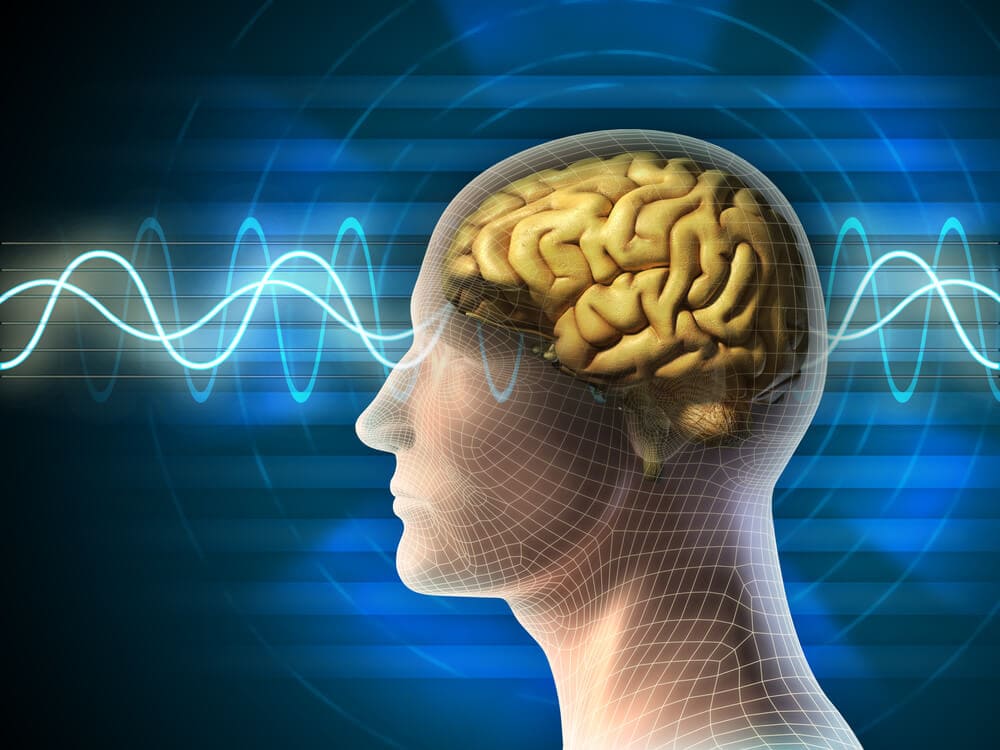
When the non-REM sleep subjects had slept for at least three minutes, the researchers gave them magnetic pulses that induced a weak electric field and activated neurons. After a series of pulses, the participants were woken by an alarm sound and asked whether they had dreamed and described the dream’s content. The study was able to identify that subjects who woke up during non-REM sleep were also able to give descriptions of their dreams in more than half of the cases. The researchers also observed that the longer the individual told the dream’s story, the more their EEG resembled that measured from awake people.