13. There are several benefits to lucid dreaming, but there are also some risks.
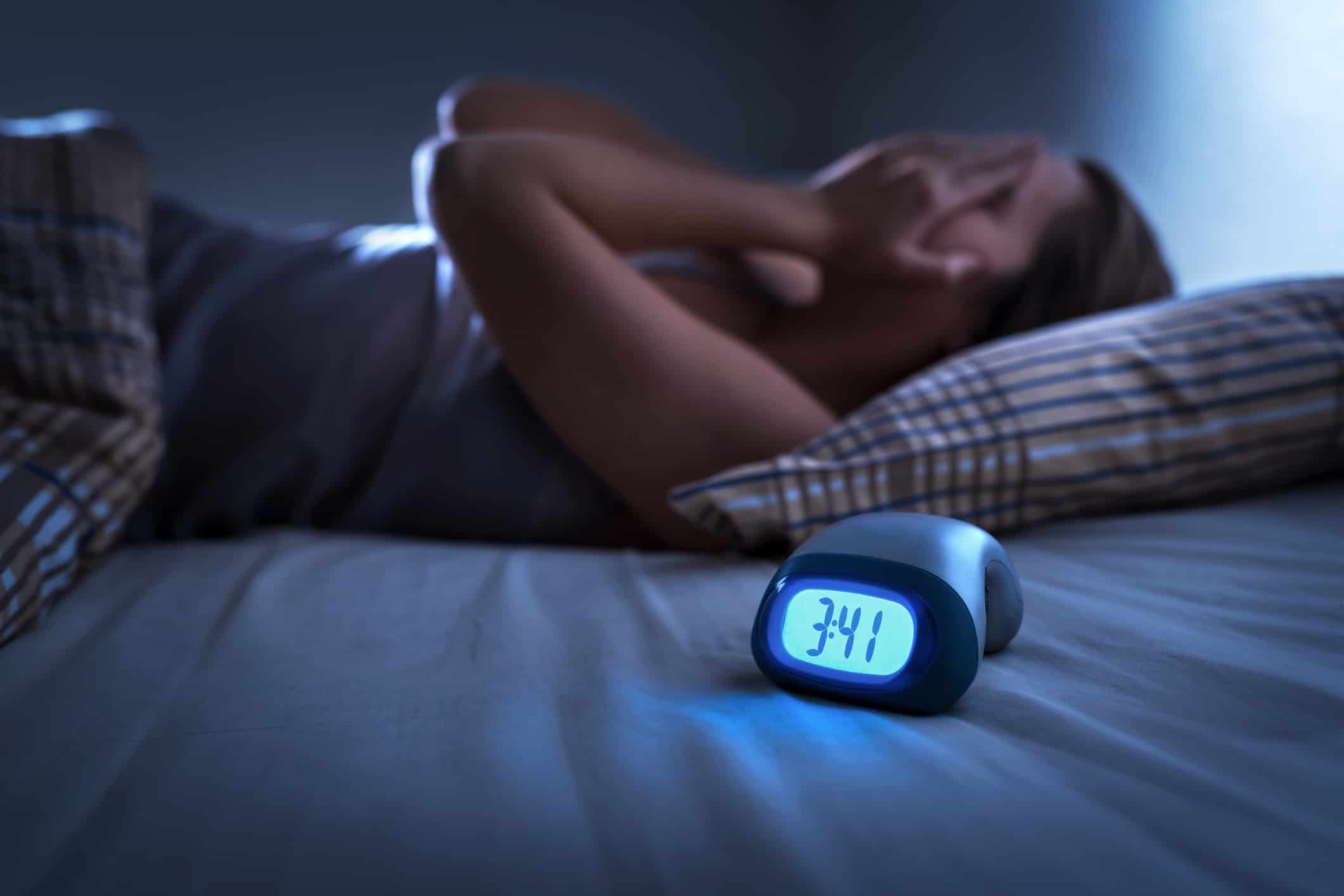
Doctors view lucid dreaming as safe, but there can be risks for people with mental health disorders. One potential risk involves sleep problems. Since lucid dreaming techniques purposely interrupt sleep, getting enough sleep can be difficult. If you have a sleep disorder, then your risk doubles. If you either have a sleep disorder or deal with a lack of quality sleep, it is best not to partake in lucid dreaming techniques. A second potential risk is a depression and anxiety. Sleep issues, including an interruption in sleep during lucid dreaming, can intensify depressive symptoms and anxiety.

A third risk involves derealization. By inducing lucid dreaming, you are essentially meshing reality and dreaming. Doing so makes it difficult to determine what is real versus what is false. A fourth risk is a dissociation. The overlap of reality and dreaming can also cause a disconnection from your surroundings or self. Intertwining reality and dreaming can seem like a positive concept as it allows the dreamer to control the situation and reduce the likelihood of anxiety and nightmares. However, derealization and dissociation can blur the lines and create even more uncertainty.