LATEST POSTS
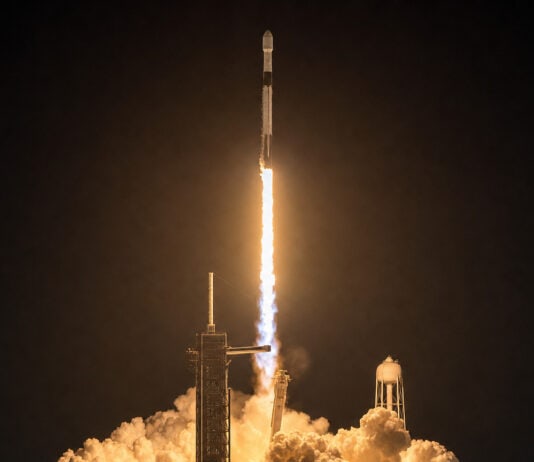
SpaceX Night Launch From Florida July 30: What Lights Up the Sky
A SpaceX Falcon 9 launches at 12:09 a.m. EDT on July 30, 2026 from Cape Canaveral — and the pre-dawn darkness turns a routine mission into a rare atmospheric light show visible up to 80 miles away. Here's where to watch and why the science makes it worth the lost sleep.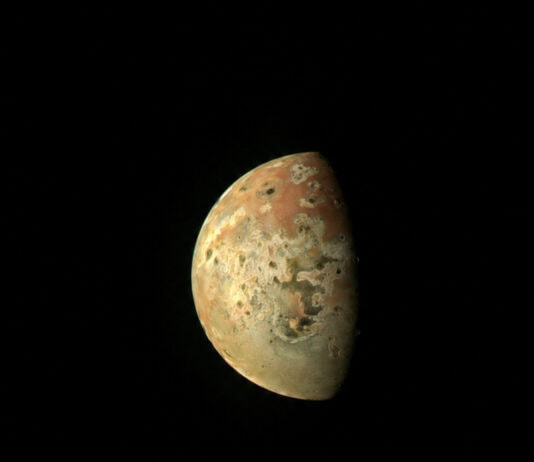
Juno Probe Found Io’s Interior Is a Planet-Wide Magma Mush Zone
NASA's Juno probe made the first direct subsurface measurements of Io, revealing widespread partial melting at depth and a crust so perpetually recycled that the solar system's most volcanic world may never have fully cooled.
Chicxulub Silicate Dust, Not Fire or Sulfur, Actually Killed the Dinosaurs
A new study identifies fine-grained silicate dust ejected by the Chicxulub asteroid as the single most impactful extinction agent 66 million years ago, outweighing soot and sulfur aerosols by blocking sunlight long enough to collapse global food chains.
Viral Wildlife Fame Can Kill: What Jimothy’s Story Reveals
Jimothy, a Seattle raccoon who became an international internet sensation, prompted urgent warnings from wildlife professionals — because the science shows that human attention, crowds, and habituation can silently devastate a wild animal's health and survival.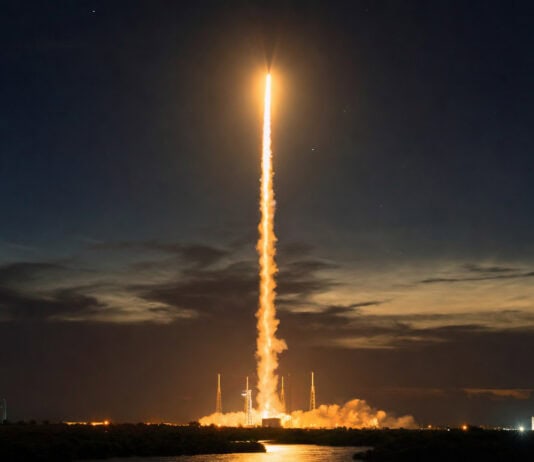
SpaceX Florida Launch July 30: Why NROL-95’s Pre-Dawn Streak Glows
A Falcon 9 carrying the classified NROL-95 payload lifts off from Cape Canaveral at 3:09 AM EDT on July 30 — the only SpaceX Florida launch this week — and the pre-dawn timing means its exhaust plume will glow gold across the Southeast sky, a result of ice-crystal formation and sunlight geometry, not rocket fire.
Apollo 11’s Moon Germ Quarantine: Armstrong Turned 39 Behind Glass
When Apollo 11 returned in July 1969, NASA quarantined Armstrong, Aldrin, and Collins for 21 days inside a $9 million biological containment lab — because no one could prove the Moon was sterile. Armstrong turned 39 behind a pane of glass while ticker-tape parades rolled through cities worldwide.Load More
TOP POSTS

August 19, 2026