Conclusion
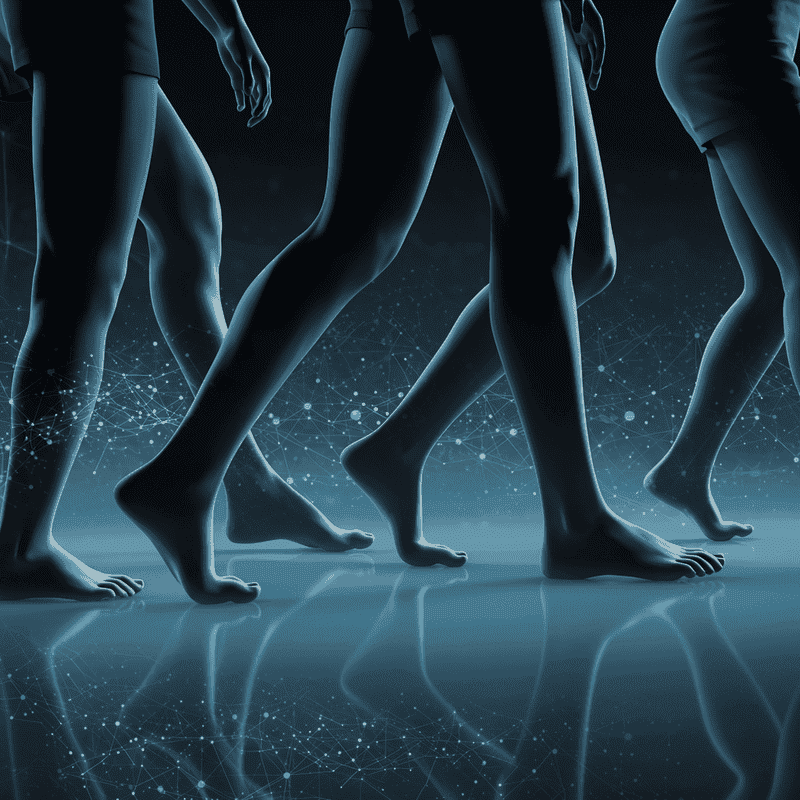
Understanding the unique gait patterns of autistic individuals reveals much about the intersection of motor skills and neurological development. These insights underscore the importance of recognizing gait differences not as mere symptoms but as integral aspects of the autistic experience. By valuing these differences and providing targeted support, we can enhance the quality of life for autistic individuals. Embracing diversity in movement empowers individuals and enriches our communities. Let us strive to create environments that support and celebrate neurodiversity, encouraging further research and community initiatives that foster inclusion and understanding.