20. Clinic vs. Classroom
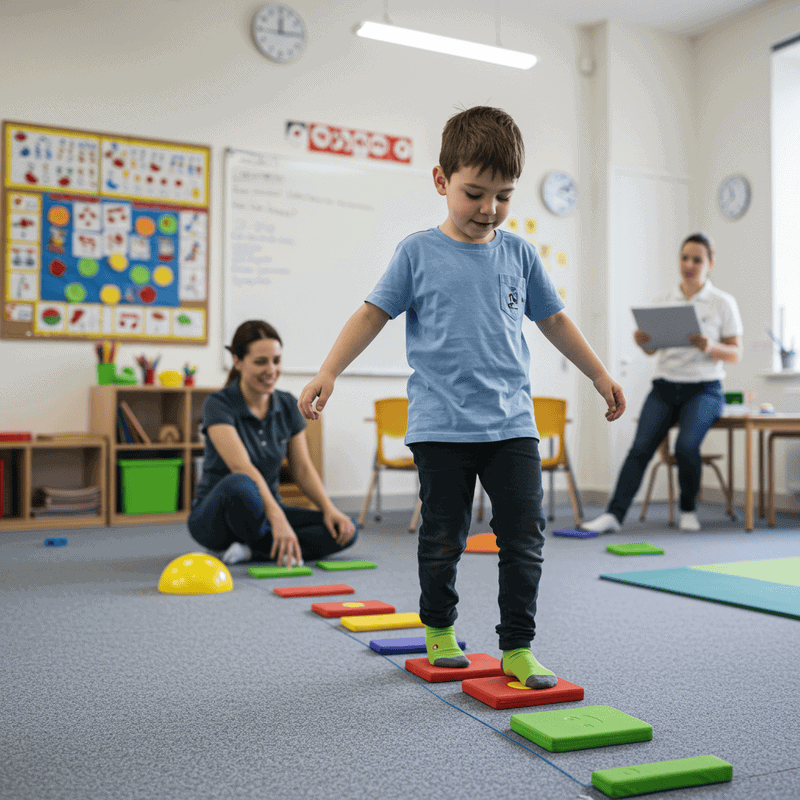
While clinical settings are vital for diagnosing and initially addressing gait issues in autism, extending therapeutic interventions to classroom environments is equally important. Real-world settings like classrooms provide opportunities for practicing motor skills in dynamic and varied contexts, enhancing the transfer of learned skills to daily life. Integrating therapy into educational settings allows for ongoing support and reinforcement of techniques, fostering a more cohesive development of motor skills. By bridging the gap between clinic and classroom, interventions can be more effective, supporting the child’s ability to navigate diverse environments with greater confidence and ease.