9. Extended Step Time
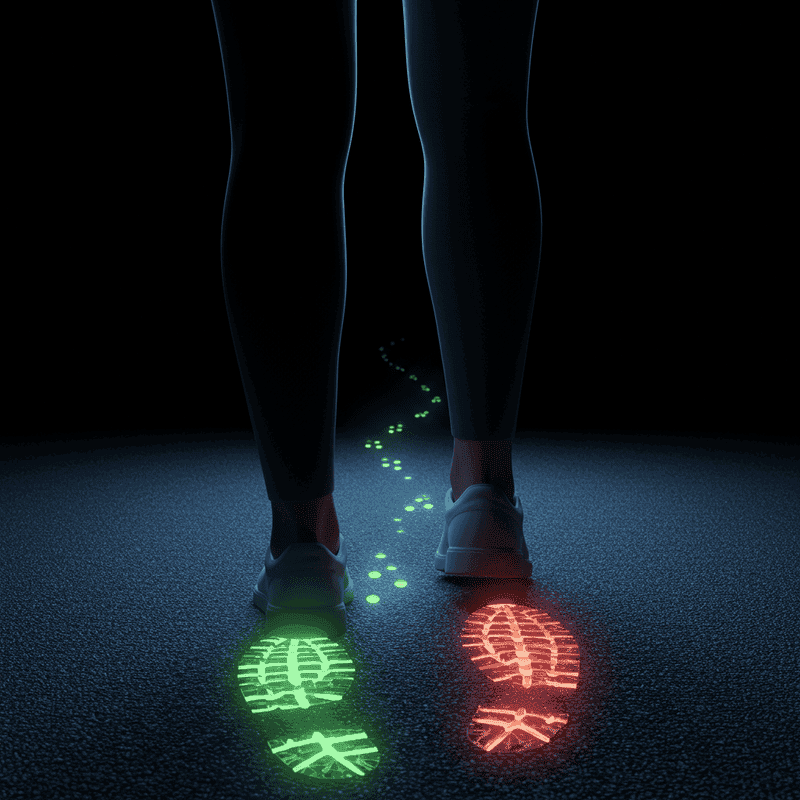
Autistic walking patterns often feature extended step time, characterized by micro-delays between each step. These subtle pauses can accumulate, resulting in a noticeably slower walking pace. The micro-delays might be indicative of the brain’s processing time to coordinate motor functions amid sensory input. Over time, these delays can affect overall gait efficiency and fluidity, impacting how autistic individuals navigate their environments. Recognizing the significance of extended step time helps in understanding the complexities of motor coordination in autism. This understanding can guide the development of therapies aimed at enhancing movement synchronization and reducing delays.