The Moai of Easter Island Have Bodies Under The Sand
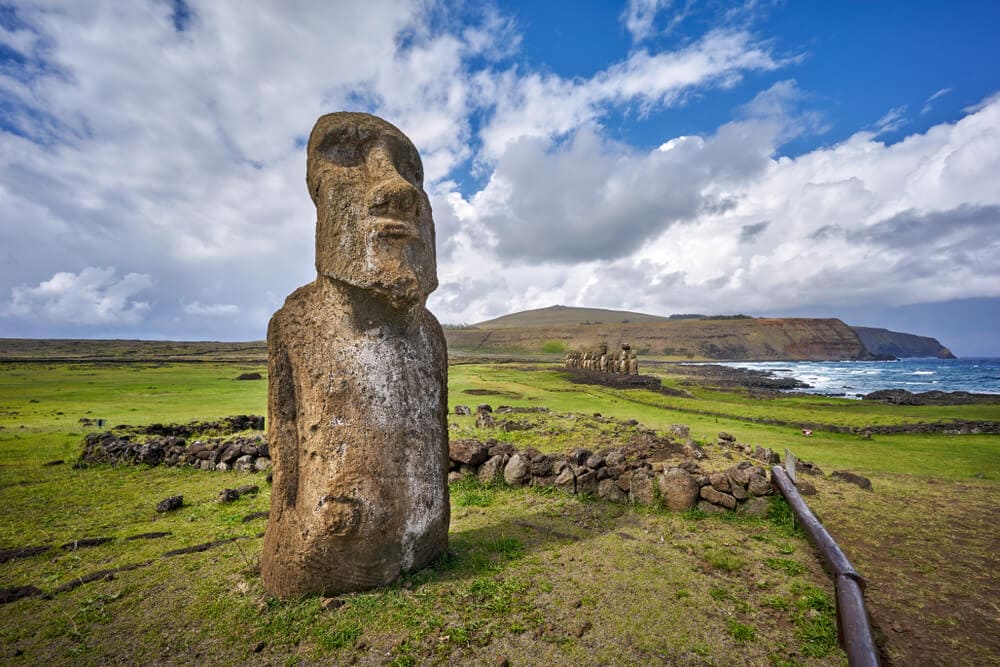
Ever since its discovery, Easter Island, which lies some 2000 miles off Chile’s coast, has been known for the massive heads, known as moai, which cover the surface. There are nearly 900 of these statues, and researchers have found that many have bodies underground. Many researchers now believe that Easter Island used to be a lush, forested landscape. However, the inhabitants destroyed its ecological systems by creating and transporting the moai. The moai were an essential part of the people’s mythology and how they practiced their religion.
Experts believe they were carved between the years 1250 and 1500 and transported from Rano Raraku. In fact, most of them are still there, to stone platforms called “ahu.” Someone placed them around the perimeter of the island. It is impressive knowing how technology wasn’t advance in this area. The tallest Moai erected called “Paro” is 33 feet tall or 10 meters and weighs over 80 tons. The heaviest one of the statues weighs 84 tons! There’s evidence that they were more statues, but sadly were destroyed in the early 19th century, possibly during a tribal war.