Conclusion
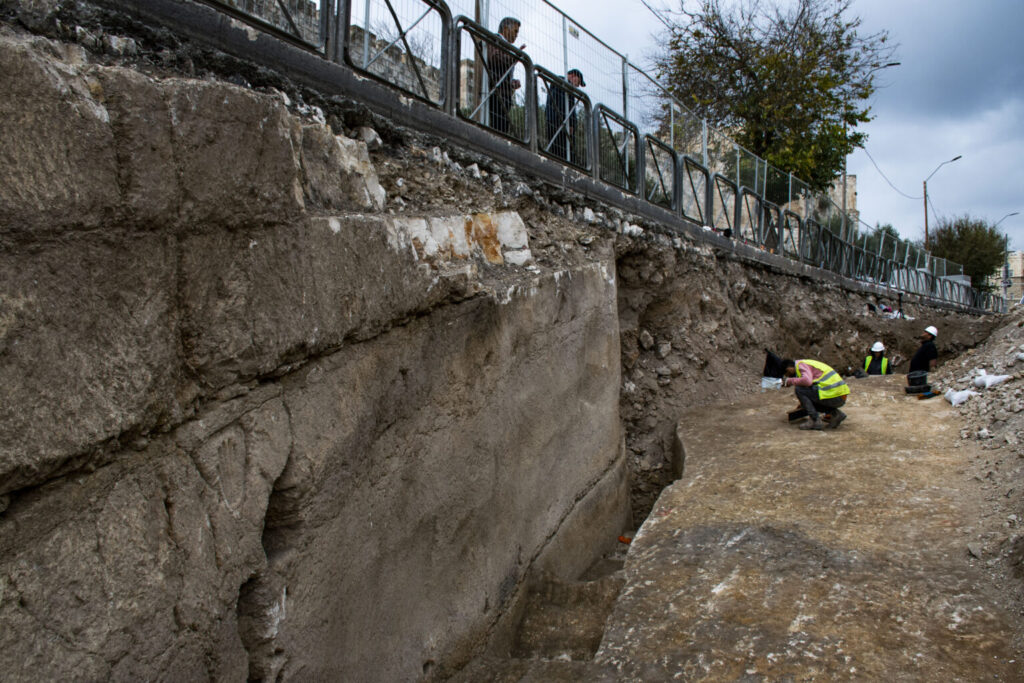
The unveiling of this 3,000-year-old biblical structure stands as a landmark achievement for both archaeology and the study of ancient texts.
It bridges historical narratives with physical evidence, enriching our understanding of the region’s past and the vibrant cultures that once thrived there.
As ongoing research sheds further light on the site, it invites us all—scholars, faith communities, and the public—to engage more deeply with humanity’s shared heritage.
This discovery not only answers long-standing questions but also inspires new avenues of exploration into the ancient world.