
Tucked inside colonial-era bones interred somewhere in the Americas after 1492, intact genetic material from the variola virus — the pathogen that causes smallpox — lay undisturbed for roughly four centuries until a laboratory at Trinity College Dublin extracted and sequenced it, producing the first ancient smallpox genomes ever recovered from the Western Hemisphere. The finding does more than confirm what historians long suspected; it opens a molecular window onto exactly when and how smallpox arrived in the Americas, right as European ships were beginning to cross the Atlantic in sustained numbers.
A Virus Frozen in Time: What the Colonial Bones Revealed
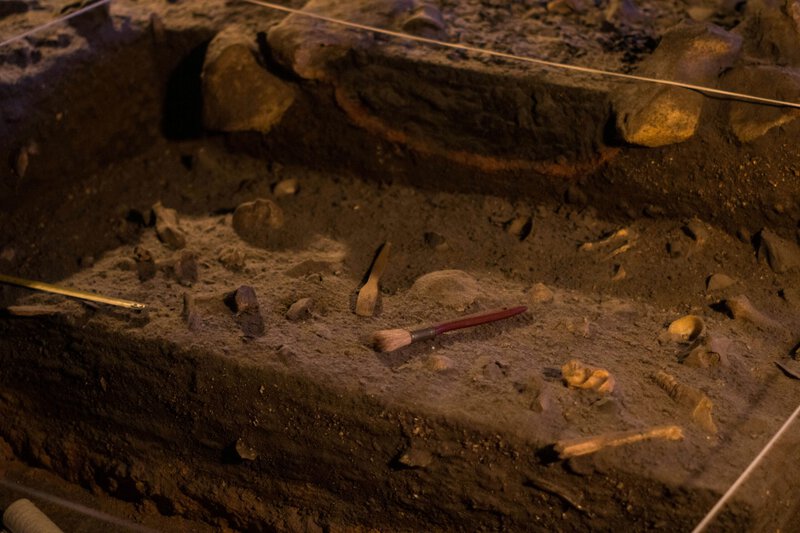
Ancient DNA (aDNA) research is the discipline of extracting and sequencing genetic material from archaeological specimens — bones, teeth, or preserved tissue — to reconstruct the genomes of organisms that died long ago, including the pathogens that infected them. Where written records fall silent or contradict each other, molecular evidence can provide an independent account, one written in mutations rather than ink.
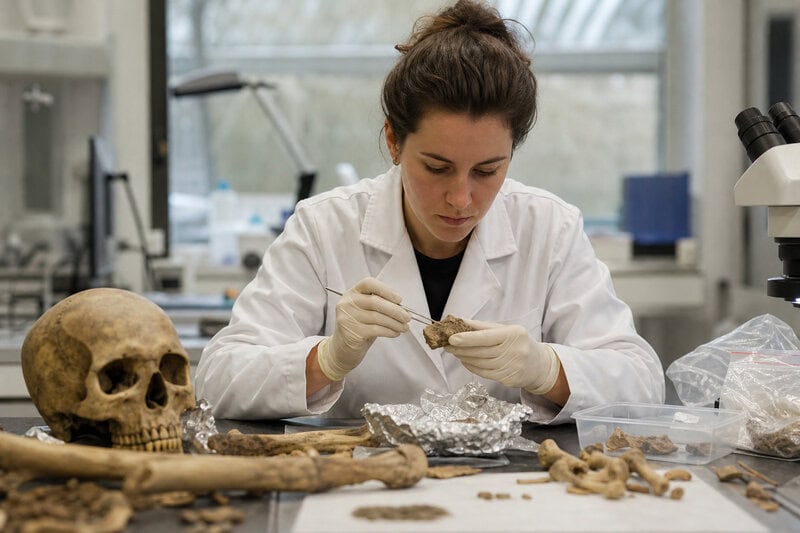
Recovering viral aDNA is considerably harder than recovering human aDNA. Viruses degrade rapidly after the host dies, exist in far lower copy numbers within host tissue, and demand laboratory conditions so sterile that even trace contamination from modern strains can corrupt the dataset entirely. That difficulty explains why, until the Trinity College Dublin team’s work, ancient variola genome research had only reached as far as European colonial-era burial sites — leaving the Americas, where the epidemiological stakes were highest, as a blank space on the molecular map.
The Trinity College Dublin study closes that gap. By recovering intact variola virus DNA from human remains buried during the colonial period in the Americas, the researchers created the first genuinely trans-Atlantic dataset of ancient smallpox genomes, making it possible for the first time to trace the virus’s movement across ocean voyages at the molecular level rather than relying solely on historical accounts.
The Molecular Story: Tracing a Pathogen Across an Ocean
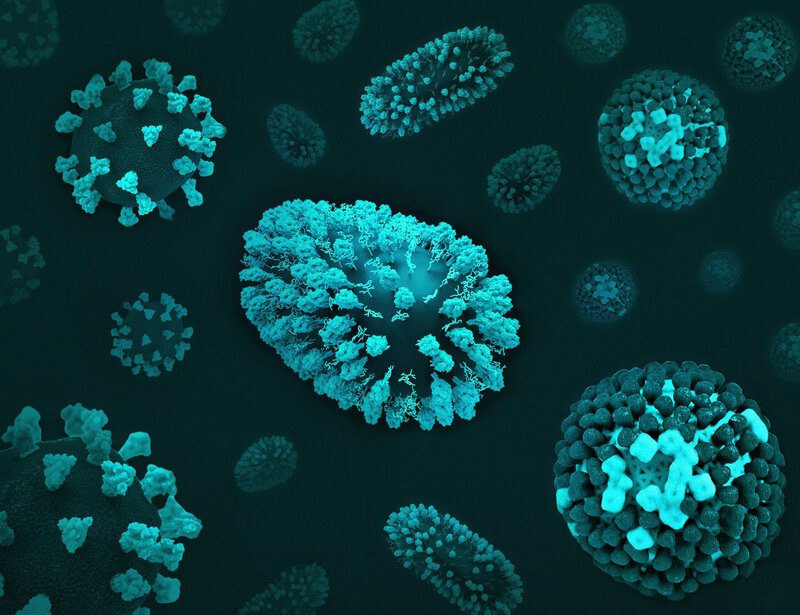
The ancient genomes tell a story of a virus still in motion. Variola virus (VARV) — the formal scientific designation for the agent that causes smallpox — underwent key genetic changes in the centuries immediately preceding and coinciding with European expansion. In other words, the pathogen was actively evolving at precisely the historical moment when colonizers began sailing west, suggesting the version of smallpox that reached the Americas was a relatively recent evolutionary form.
To understand why that timing matters, it helps to know what viral phylogenetics means in plain terms. By comparing DNA sequences from ancient and modern viral strains and counting accumulated mutations, scientists can build a family tree that reveals when different lineages diverged from one another and which populations were infected by which branch. The technique works somewhat like carbon dating, but instead of radioactive decay, researchers use the steady accumulation of genetic mutations to assign approximate dates to evolutionary splits.
The timing embedded in the ancient genomes aligns with the late 15th and early 16th centuries — the precise era of Columbus, Cortés, and the first sustained European contact with the Americas. As reporting on the study notes, the molecular evidence provides the first direct confirmation at the genetic level that European colonizers carried smallpox to the Americas, seeding the epidemics that followed.
It is important, however, to be precise about what remains unsettled. Researchers can demonstrate that the virus was present in colonial-era remains and can trace its lineage with confidence. Pinpointing which specific genetic mutations drove increased virulence — the ability to cause severe disease — versus increased transmissibility — the ease of spreading between people — remains an active area of scientific investigation. The ancient genomes point toward a window of evolutionary change; they do not yet hand scientists a complete mechanistic explanation for why VARV was so devastating to immunologically naive populations in the Americas.
The Colonial Corridor: Connecting European Ports to American Shores
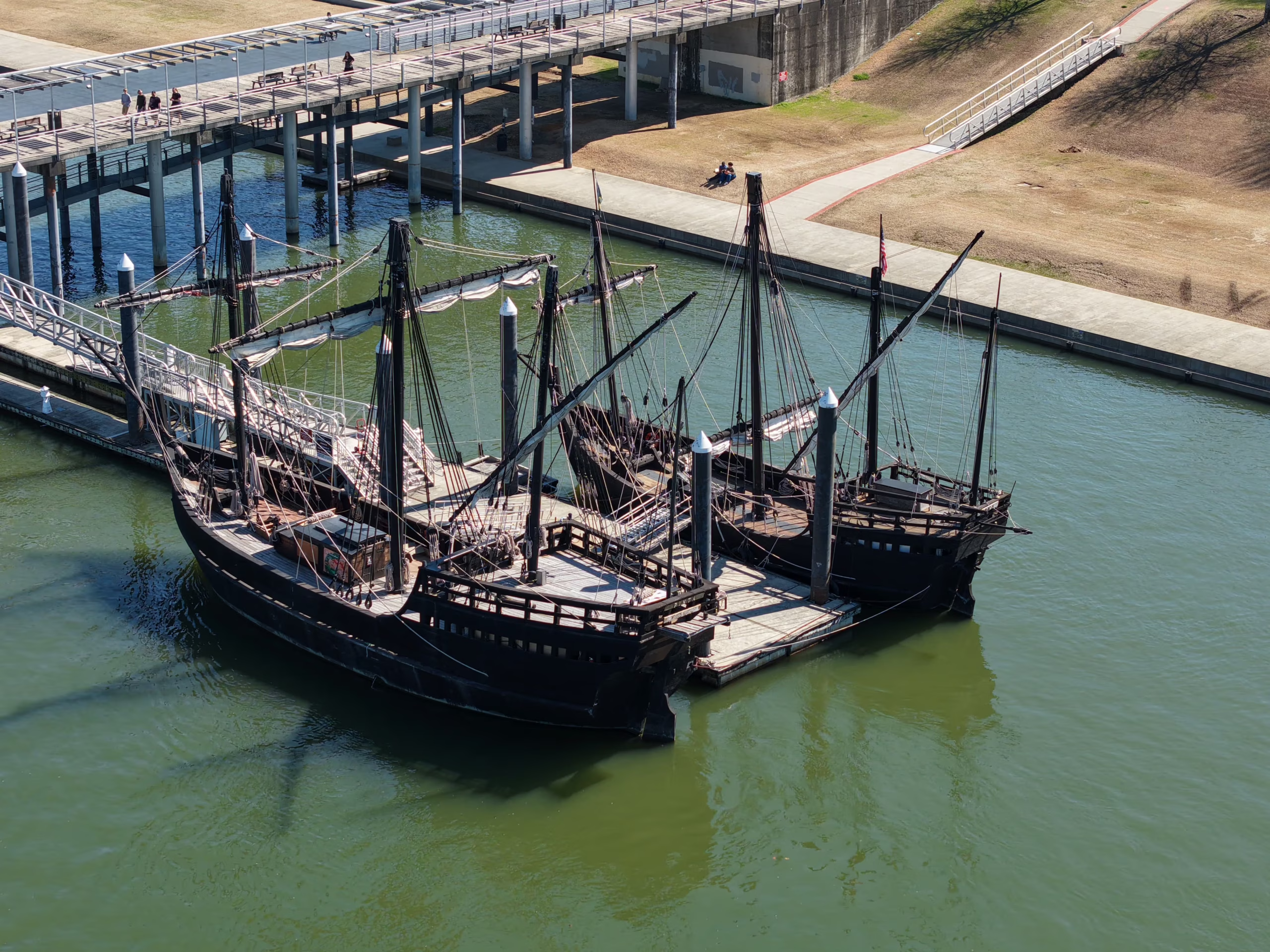
Historical and epidemiological records document smallpox epidemics sweeping through Indigenous communities in the Americas within decades of first European contact, and in parts of North America, outbreaks occurred as early as the late 16th and early 17th centuries as settlement expanded. The first smallpox epidemics in North America occurred in 1617 to 1619 in Massachusetts as a result of colonization by European settlers, and other ports including Boston were also affected. These densely packed trading hubs where immune-naive Indigenous people, European sailors, and interconnected trade routes converged created near-ideal conditions for rapid viral spread into the continental interior.
The ancient genome data now provides the molecular thread connecting those documented outbreaks to specific Old World viral lineages. Analysis of the findings suggests the virus reaching the Americas was not necessarily a single introduction from a single ship. The genomic picture is consistent with multiple waves of introduction along colonial shipping routes, each potentially carrying strains from different parts of Europe — Spain, Portugal, England, and the Netherlands all operated Atlantic networks during this period.
A critical distinction applies here. The established scientific consensus — that European contact caused catastrophic disease mortality among Indigenous peoples — predates this study and rests on centuries of historical, demographic, and epidemiological evidence. What the ancient genome research adds is molecular precision: the ability to specify which viral variants arrived, in what sequence, and along what likely routes, rather than treating “European smallpox” as a single undifferentiated phenomenon.
The Scale of the Catastrophe: Immunological Naivety and Its Consequences
Epidemiologists and historians estimate that diseases introduced through European colonization — smallpox foremost among them, alongside measles, typhus, and other pathogens — may have killed up to 90% of the pre-Columbian Indigenous population of the Americas over the course of the colonial period. No demographic collapse of comparable scale appears elsewhere in the recorded human past, and that figure, while subject to ongoing scholarly debate about methodology, represents the broad scholarly consensus across decades of research.
The mechanism underlying that mortality can be explained without jargon. When a pathogen repeatedly circulates through a population over generations, individuals who survive are more likely to pass on genetic variants that confer partial resistance, and the broader population develops immunological memory — learned defenses built up through prior exposure. European populations had experienced waves of smallpox epidemics for centuries before 1492, creating partial population-level resistance through both biological selection and acquired immunity. Indigenous peoples in the Americas had no such history with these Old World pathogens, and their immune systems encountered VARV without any prior acquaintance.
The ancient genome study contributes something specific to this well-established picture: by characterizing the variola lineages present in colonial-era remains, researchers can begin to disentangle smallpox’s individual contribution to the overall mortality from the overlapping effects of measles, typhus, and other co-circulating introduced diseases. The broader history of smallpox and its spread through human populations makes clear that these diseases rarely traveled alone, which has historically made attributing deaths to specific pathogens difficult from either historical records or demographic modeling alone.
Responsible reporting on this research requires acknowledging its ethical weight. These genomes were extracted from the remains of people who suffered and died during one of history’s most consequential catastrophes. The mortality estimates are not abstract statistics; they represent the near-erasure of entire civilizations. Indigenous communities whose histories are encoded in these figures have a direct stake in how findings are presented and interpreted, and that dimension deserves recognition alongside the scientific achievement.
What the Genomes Cannot Tell Us
Ancient DNA evidence establishes presence and lineage; it cannot directly measure case fatality rates in past populations. The mortality estimates derive from demographic modeling and historical accounts compiled over decades of scholarship, not from the genomes themselves. The two lines of evidence complement and reinforce each other, but they are methodologically distinct and should not be conflated.
The sample size of ancient smallpox genomes from the Americas also remains small. In a field where each new specimen can meaningfully shift the phylogenetic picture, the current state of knowledge is best understood as productive and rapidly advancing rather than settled. Scientists have not yet been able to identify the precise port of embarkation for every colonial-era viral strain recovered, so while the molecular trail points clearly toward broad European origin, it does not always distinguish England from Spain or Portugal as the source of a specific introduction.
Independent replication and expanded sampling across additional colonial-era archaeological sites in both North and South America will be necessary before the evolutionary timeline the Trinity College Dublin team has proposed can be treated as fully definitive. Scientific commentary on the study reflects genuine enthusiasm about what has been accomplished while acknowledging the considerable work still ahead.
Why Ancient Smallpox Research Matters for the Future
Understanding how a pathogen spreads alongside human migration and colonization — accelerating when it encounters immunologically naive populations — provides a template directly relevant to modern pandemic preparedness. The conditions that made the Americas so vulnerable in the 16th century are not purely historical: rapid global movement of people, populations encountering novel pathogens without prior immunity, and viral evolution are features of contemporary infectious disease risk as well.
The molecular tools refined through ancient smallpox research are already being applied to other extinct or eradicated pathogens, expanding scientists’ capacity to reconstruct the deep history of human disease well before reliable written records exist. Smallpox itself was declared eradicated by the World Health Organization in 1980 — the only human infectious disease to have been eliminated through deliberate global vaccination campaigns — but eradication does not erase the virus from the archaeological record. Archived biological specimens and colonial-era burial sites remain an irreplaceable scientific resource, and the Trinity College Dublin study demonstrates what that resource can yield when the right questions are asked with the right tools.
The take-home finding is precise and non-sensational: a variola genome sequenced in a Dublin laboratory from bones interred four centuries ago has clarified one of history’s most consequential epidemics, traced a killer across an ocean in molecular detail, and confirmed that the smallpox which reshaped a hemisphere arrived with European colonizers at the genetic level — not only as a matter of historical record, but as a matter of recoverable biological evidence. The methodology that made that possible is already reshaping how scientists study the long, entangled co-evolution of humans and the pathogens that have traveled with them.