
Buried beneath the desert sands of northern Egypt, a 17-million-year-old fossil has emerged from the fossil record to challenge one of science’s most fundamental assumptions: that we already know where the ancestors of modern apes — and by extension, of humans — first appeared on Earth. The find is already being called one of the most significant primate discoveries in decades, and scientists say it may force a fundamental rethinking of the geography of human origins.
What Was Found — and Where
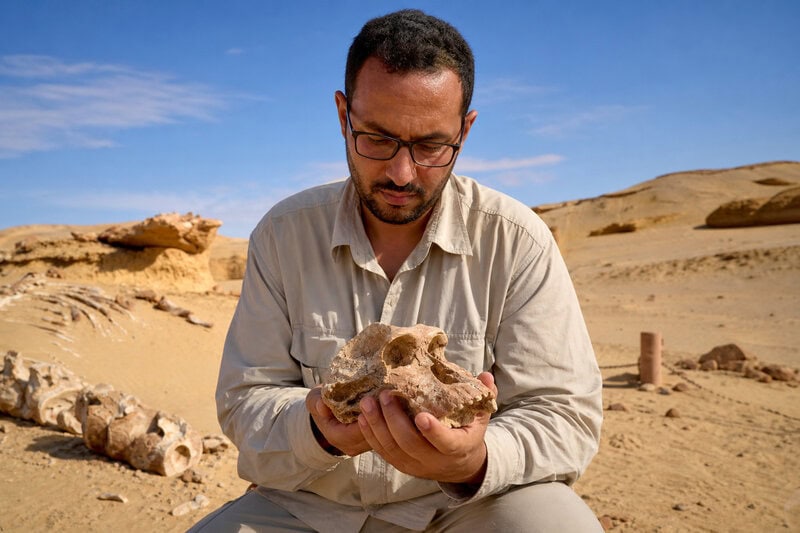
The fossil was recovered from the Moghra fossil site in northern Egypt, a region that has grown steadily more important to paleoanthropologists studying primate evolution in Africa. Researchers identified it as a previously unknown species and gave it the formal scientific name Masripithecus moghraensis, derived from the site where it was found.
The specimen dates to roughly 17 million years ago, placing it in the Early Miocene epoch — a pivotal period when the ancestors of modern apes were diversifying rapidly across the Old World. Its anatomical features were distinctive enough to confirm it as a new species, separate from all previously catalogued fossil apes. The preserved material includes cranial remains substantial enough for researchers to assess its relationships to other known hominoids with meaningful confidence.
Why This Species Matters: Its Place on the Family Tree
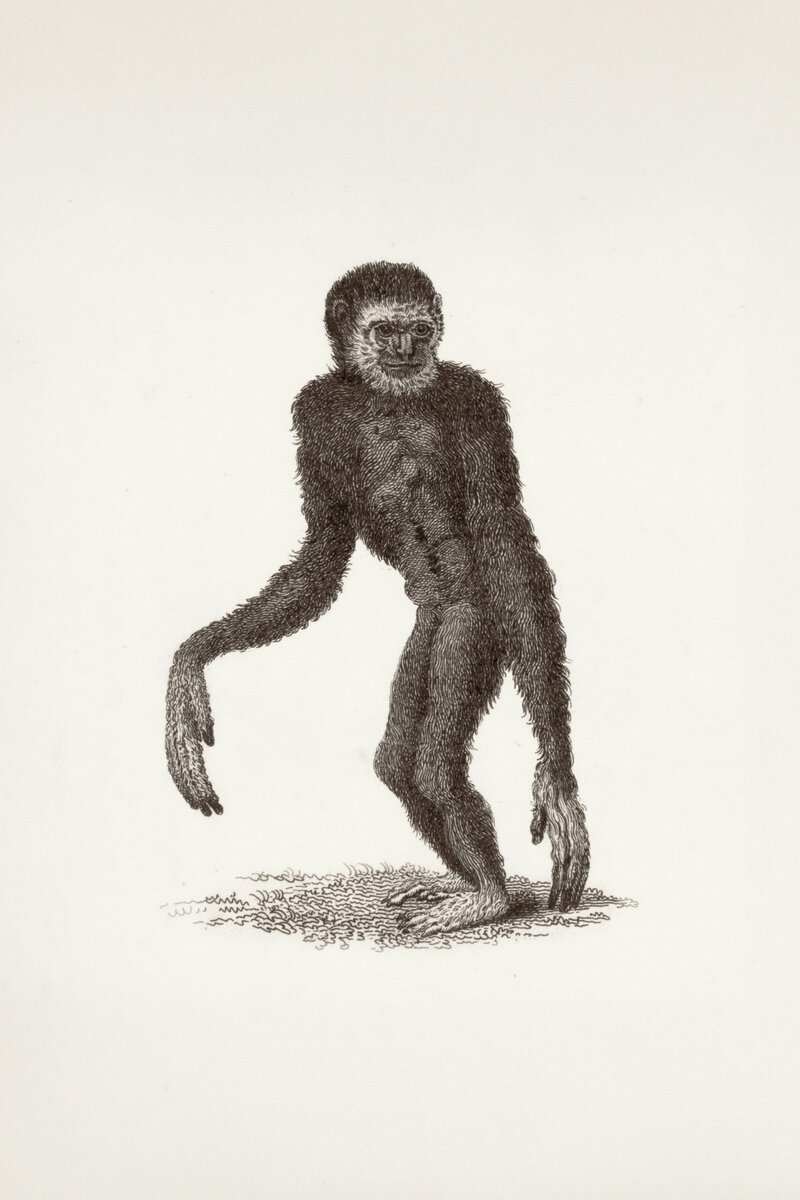
Masripithecus moghraensis is identified as very closely related to the last common ancestor of all living apes — a group that includes gibbons, gorillas, chimpanzees, and humans. That proximity to the root of the modern ape family tree is what makes this discovery so significant to researchers studying human origins. It places a key evolutionary branching point firmly in northern Africa at a time when that region has rarely featured in the central narrative of hominoid evolution.
Finding such a close relative to the ancestral ape lineage in Egypt suggests that the cradle of hominoid evolution may lie further north on the African continent than the fossil record has previously indicated. The discovery adds a crucial data point to an ongoing debate about whether early ape evolution was centred in Africa, Asia, or somewhere in between — and, if Africa, precisely where within that continent.
The Old Story — and Why Scientists Believed It
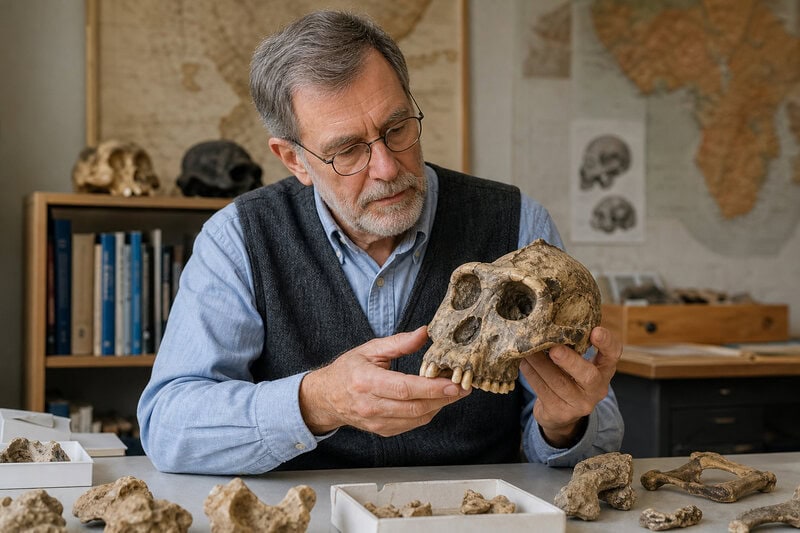
For much of the twentieth century, the dominant narrative held that the ancestors of modern apes evolved primarily in East Africa, with later migrations carrying early hominoids into Europe and Asia. Fossil evidence from sites in Kenya, Uganda, and Ethiopia consistently produced early ape specimens that anchored the evolutionary story to that region, reinforcing the idea that East Africa was the engine of hominoid diversification.
Some researchers have also pointed to fossil finds in Europe and Turkey as evidence that ape ancestors may have evolved partly outside Africa before populations returned — a contested idea sometimes described as an “out of Africa and back” hypothesis. Northern Africa occupied an awkward middle position in these debates, treated more as a migration corridor than as an evolutionary centre in its own right. The Moghra site had produced significant finds before, but nothing that repositioned the region so dramatically within the hominoid family tree.
How This Discovery Changes the Picture
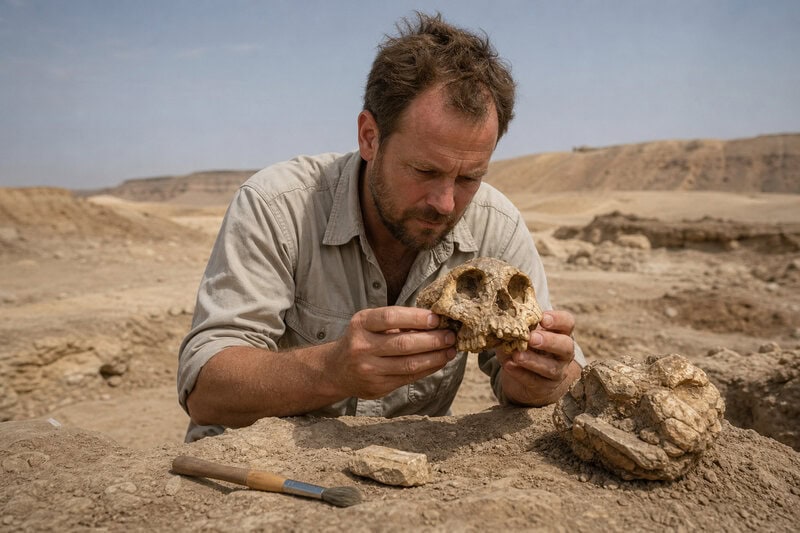
The identification of Masripithecus moghraensis places northern Africa at the centre of early hominoid evolution in a way the fossil record has not previously supported. If a species this closely related to the ancestor of all living apes lived in northern Egypt 17 million years ago, it raises the genuine possibility that the earliest chapters of ape — and ultimately human — evolution played out across a far broader geographic range than the East African narrative allows.
The find challenges the assumption that the fossil record from East Africa tells the whole story, suggesting significant gaps remain in what scientists know about ape ancestor fossils and their geographic spread. It also raises new questions about ancient migration routes between northern Africa, the Mediterranean basin, and the rest of the Old World during the Miocene — routes that may have been far more active, and far more consequential for primate evolution, than previously understood.
- The fossil repositions a key evolutionary branching point northward within Africa, away from the East African sites that have long dominated the field.
- It suggests the Moghra region of Egypt may represent a genuine evolutionary hub, not a peripheral outpost on the margins of hominoid history.
- The find invites renewed scrutiny of migration patterns between Africa and Eurasia during the Early Miocene, a period when land connections between the continents were shifting.
- It underscores how much the fossil record of northern Africa remains underexplored relative to its eastern counterpart.
What Researchers Are Saying
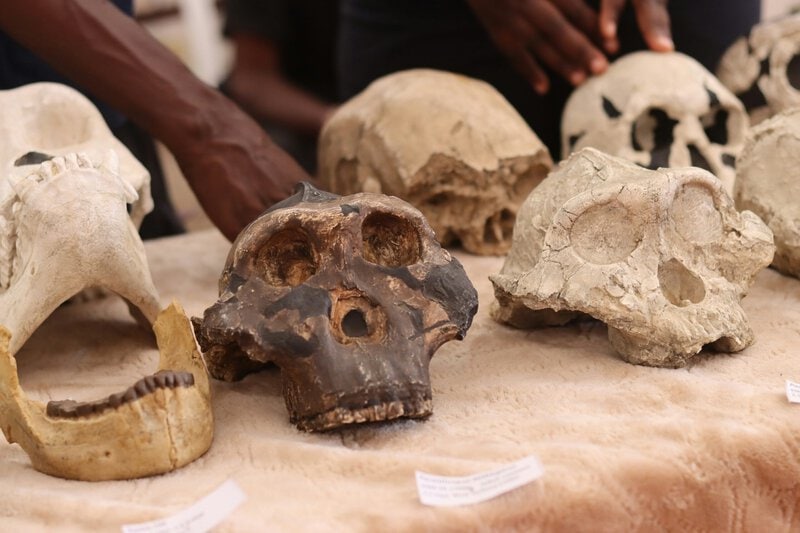
Scientists involved in the study describe the discovery as a landmark moment for understanding primate evolution in Africa, with the Moghra site emerging as a location of unexpected evolutionary importance. The researchers note that the anatomical features linking Masripithecus moghraensis to the common ancestor of all living apes are clear and compelling, making its position on the family tree difficult to dispute on current evidence.
Experts outside the study have offered measured caution: a single fossil find, however significant, benefits from further supporting discoveries before a comprehensive rewrite of human evolutionary history can be confirmed. That caution is standard scientific practice, not a dismissal of the find’s importance. The broader specialist consensus is that Masripithecus moghraensis has opened a genuinely new chapter in the science of human origins — one that demands further excavation, comparative analysis, and serious reconsideration of long-held assumptions about where and how the hominoid lineage took shape.
What Remains Unknown — and Why That Matters
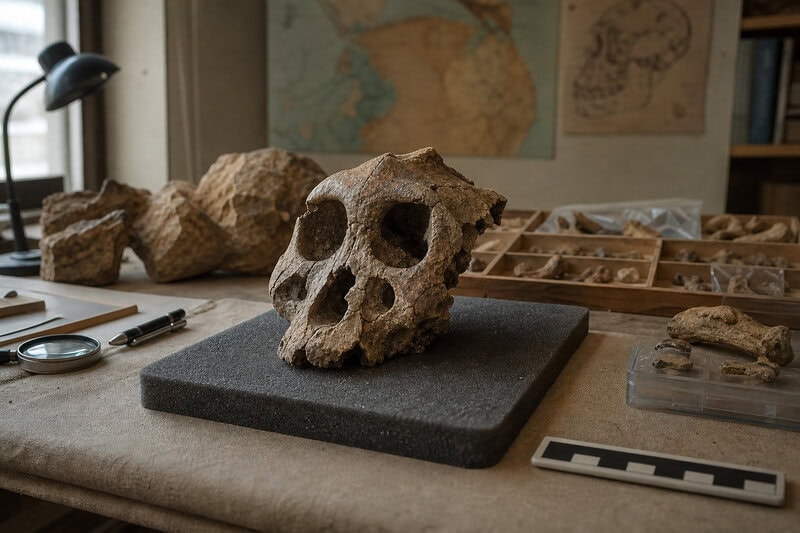
The discovery of Masripithecus moghraensis resolves one question while generating several more. How widely distributed was this species? Did related populations extend across northern Africa or into southern Europe? What environmental conditions in the Early Miocene made the Moghra region a viable habitat for a creature so close to the root of the ape family tree? These questions cannot be answered by a single fossil find, however well-preserved, and they point directly to the work that remains.
Northern Africa’s fossil sites are significantly underexplored compared with the great paleoanthropological excavations of East Africa. That disparity is partly logistical and partly historical — East Africa’s remarkable productivity shaped where funding and field teams were directed across generations of research. The implication of the Moghra find is that the neglect of northern African sites may have left a substantial portion of the hominoid story unread. Future excavations in Egypt and across the broader region could substantially alter the picture again.
The Bigger Question This Fossil Forces Us to Ask
Every major fossil discovery in paleoanthropology carries the same underlying message: the story we are telling is always incomplete, and the next find may come from somewhere we were not looking. Masripithecus moghraensis is a forceful demonstration of that principle. Seventeen million years after this creature moved through the forests of northern Egypt, its preserved bones are still capable of redirecting the entire field of human origins research.
The question of where humanity’s deepest evolutionary roots lie has never been fully settled, and this discovery ensures it will remain actively contested for years to come. That is not a weakness in the science — it is the science working exactly as it should, with new evidence demanding new thinking, and the fossil record continuing to surprise the people who know it best.