18. Cultural Eating Habits
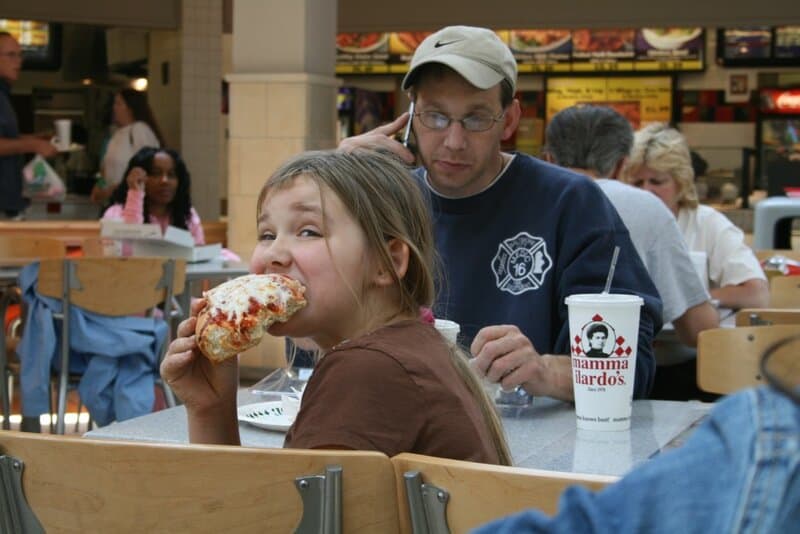
Cultural food traditions and preferences play a significant role in shaping children’s eating behaviors, sometimes contributing to obesity. Many cultural dishes, while cherished for their heritage and flavor, can be high in calories, fats, and sugars. For example, traditional comfort foods or festive dishes, consumed frequently, may lead to unhealthy dietary patterns. Encouraging healthier adaptations of beloved cultural meals—such as substituting ingredients, baking instead of frying, or increasing vegetable content—allows families to maintain cultural identity while promoting better nutrition. Additionally, teaching children balanced portion sizes and moderation within cultural contexts can foster healthier eating habits without sacrificing tradition.