9. Socioeconomic Factors
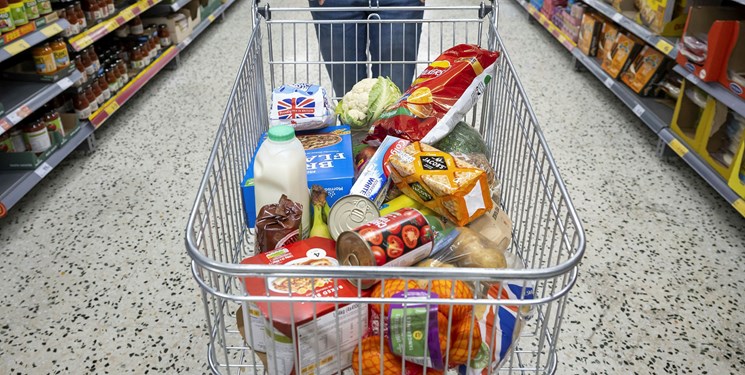
Socioeconomic status significantly influences children’s dietary habits, directly affecting obesity rates. Families facing financial constraints often rely on cheaper, calorie-dense processed foods due to limited access to affordable fresh produce and nutritious alternatives. Low-income neighborhoods frequently lack grocery stores offering healthy options, creating food deserts where convenience stores and fast-food restaurants dominate. Additionally, educational disparities can lead to reduced awareness about proper nutrition and healthy meal preparation. Addressing childhood obesity requires tackling these socio-economic challenges by enhancing access to affordable, nutritious foods, increasing educational resources about healthy eating, and supporting community initiatives aimed at reducing barriers to healthier lifestyles.